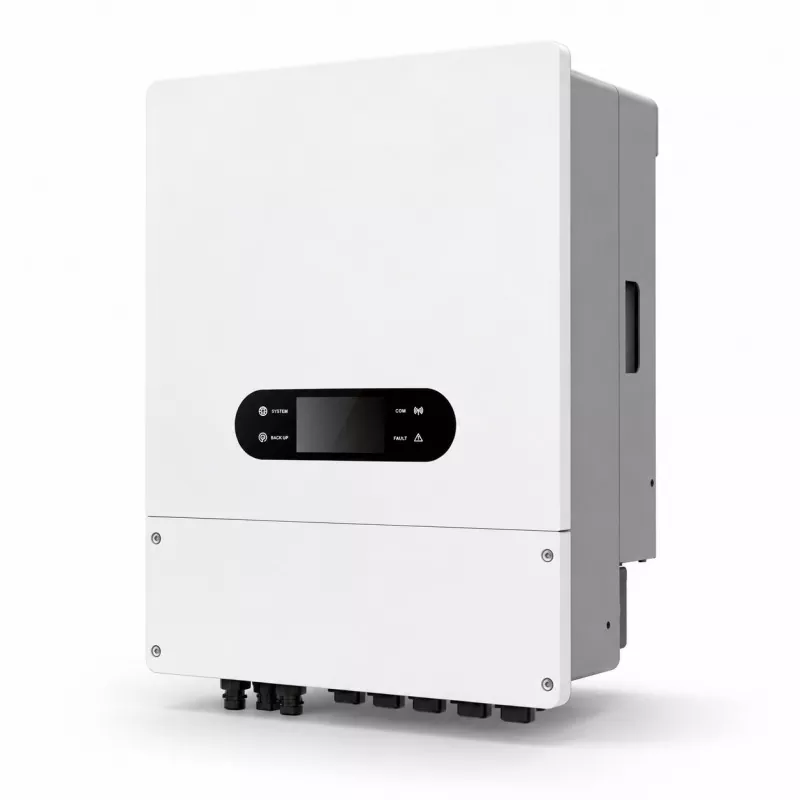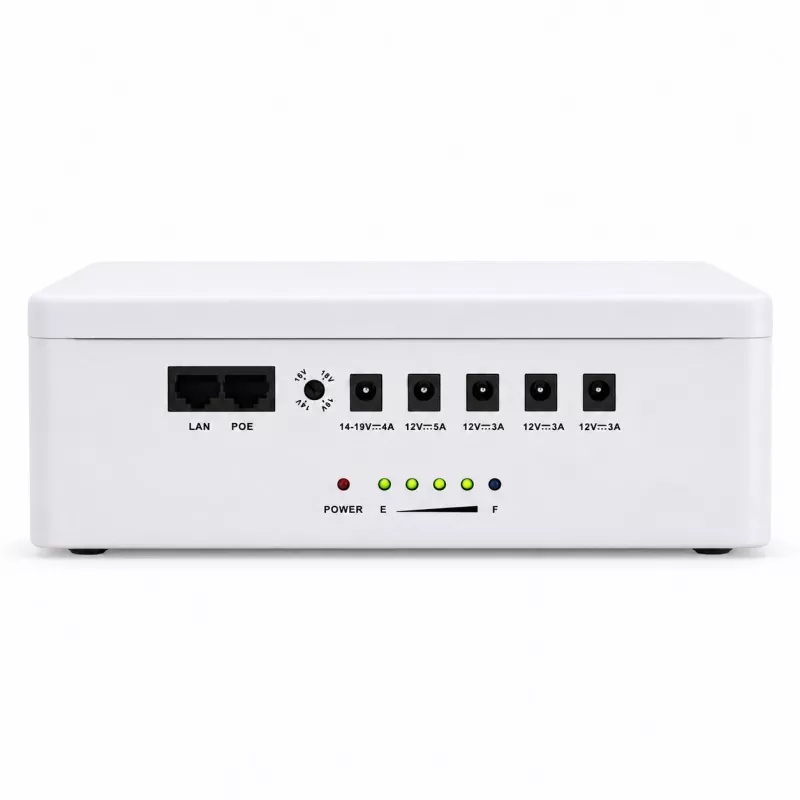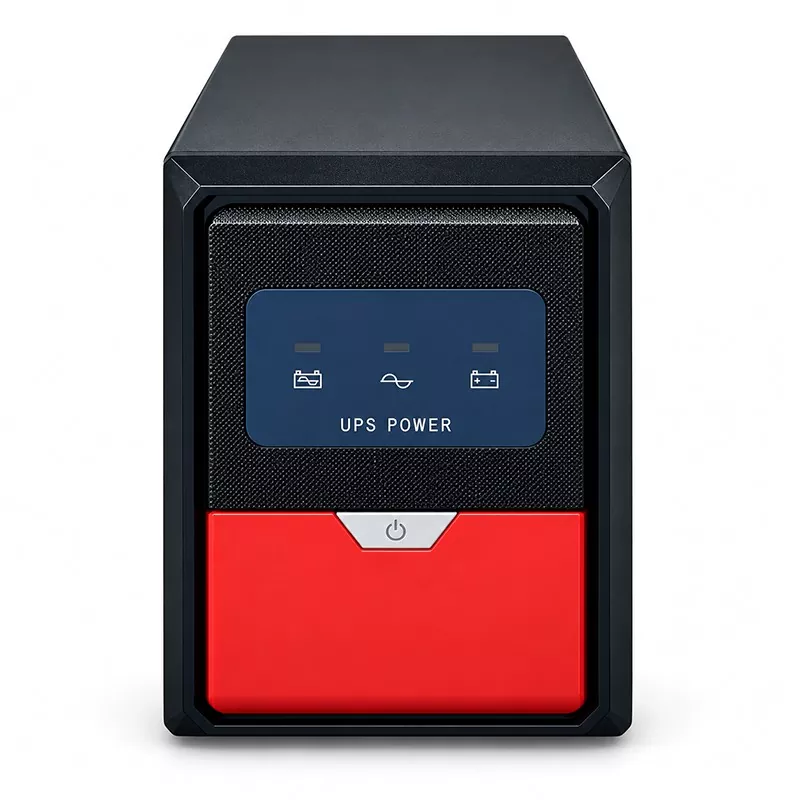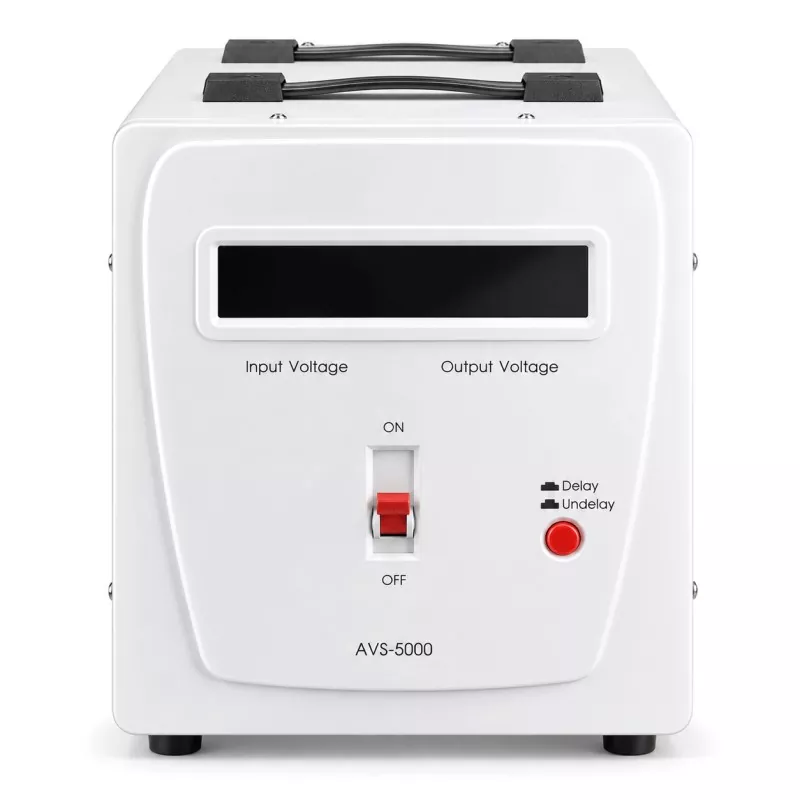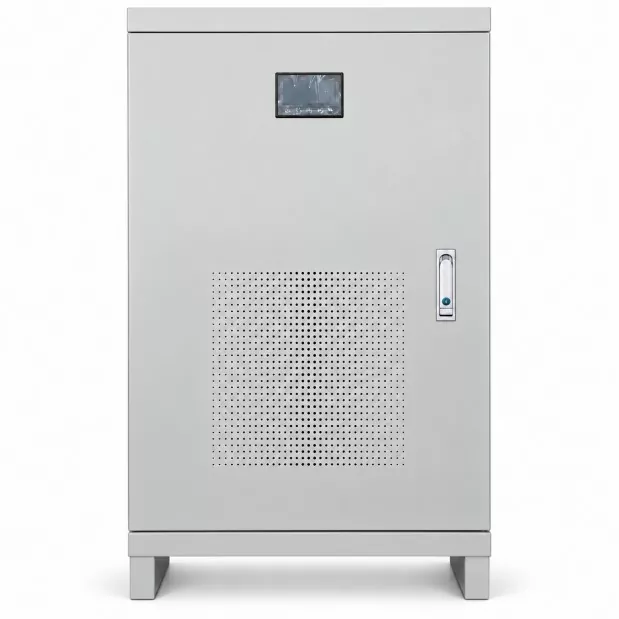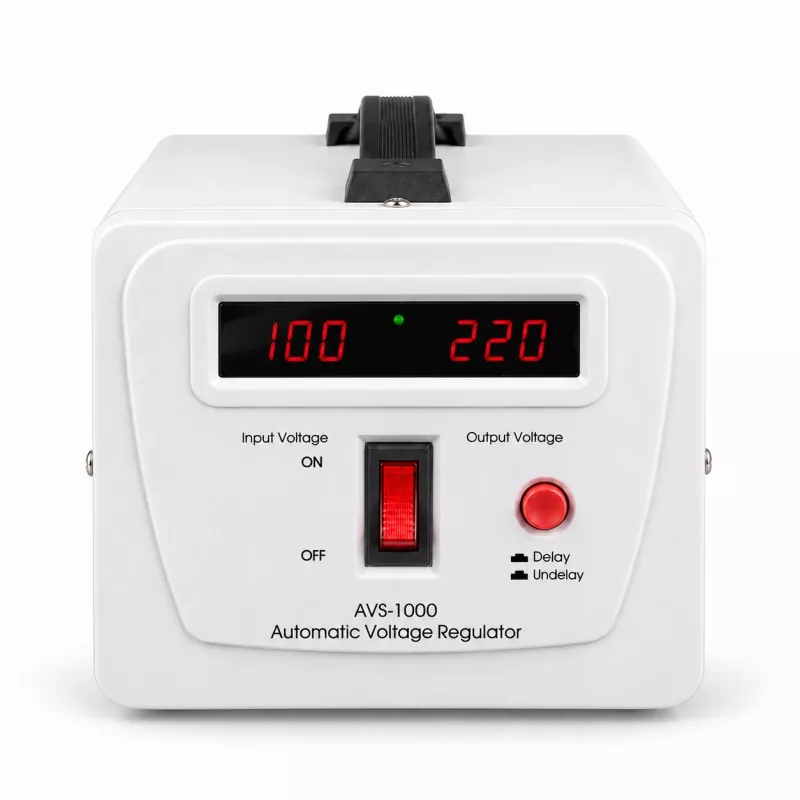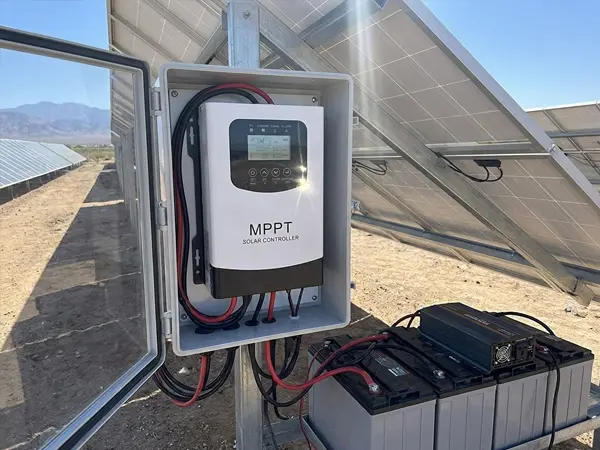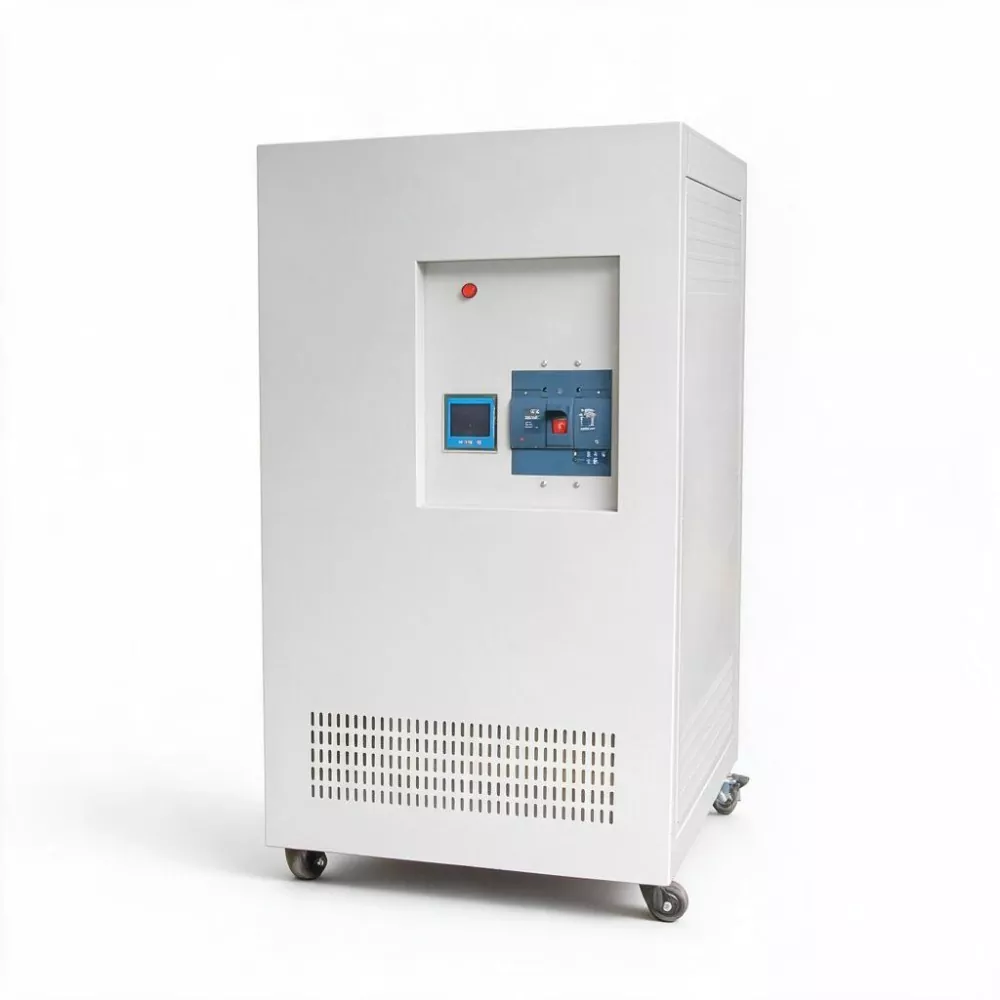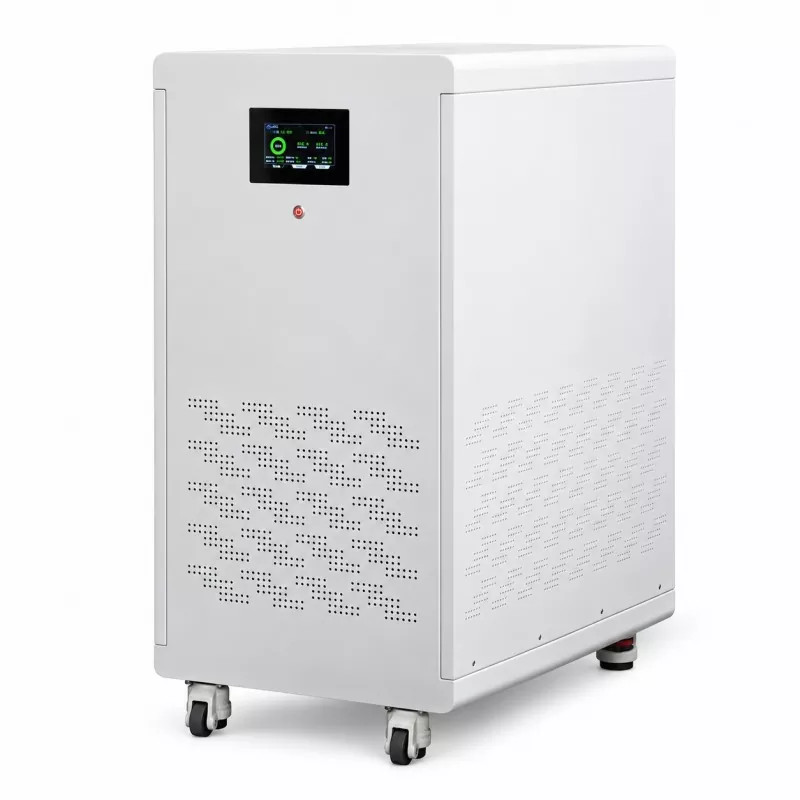
Reliable power is essential for businesses that depend on computers, network systems, industrial controls, and other sensitive electronic equipment. KTAC provides the 3000VA Line Interactive UPS, model AK-3000VA, designed to help maintain power continuity, regulate voltage fluctuations, and protect connected devices against common electrical disturbances. With a rated capacity of 3000VA/1800W, four 12V/9Ah batteries, and multiple protection functions, this uninterruptible power supply offers a practical backup solution for offices, commercial facilities, and selected industrial applications.
A 3000VA line interactive UPS combines battery backup with automatic voltage regulation to help connected equipment operate more reliably during unstable utility power conditions. KTAC's AK-3000VA features a simulated sine wave output, a 1800W rated power capacity, automatic frequency sensing, and optional communication interfaces. Understanding its capacity, battery runtime, output waveform, and application requirements helps buyers determine whether this UPS is the right choice for their power protection strategy.
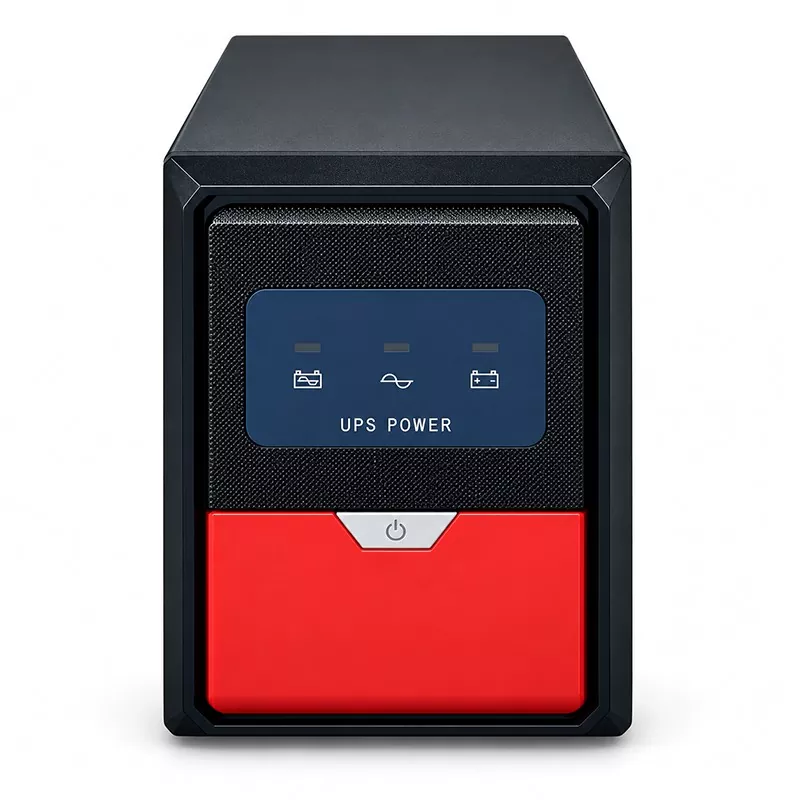
A 3000VA line interactive UPS is an uninterruptible power supply rated at 3000 volt-amperes. It is designed to provide temporary battery power when utility electricity fails while helping manage fluctuations in the incoming voltage during normal operation.
Unlike a basic standby UPS, a line interactive model typically incorporates automatic voltage regulation (AVR). This function helps correct certain undervoltage and overvoltage conditions without switching to battery power every time the input voltage fluctuates. As a result, the battery can be preserved for situations when backup power is actually required.
The KTAC AK-3000VA has a rated output of 3000VA/1800W. These two ratings describe different aspects of electrical capacity. Volt-amperes represent apparent power, while watts represent real power. Buyers should therefore evaluate both figures when determining which equipment can be connected safely.
For example, a collection of network switches, desktop computers, monitors, and communication devices may be suitable if their combined power consumption remains within the UPS's limits. However, equipment with high starting currents or demanding electrical characteristics requires additional evaluation.
The AK-3000VA offers a rated capacity of 3000VA and 1800W, making it suitable for applications that require more backup capacity than smaller desktop UPS units can provide. It can support multiple compatible devices, provided the total load, startup demand, and electrical characteristics remain within the specified limits.
The integrated battery bank consists of four 12V/9Ah batteries. Its nominal stored energy is approximately 432Wh before accounting for conversion losses, discharge characteristics, battery aging, and other operating factors.
This battery configuration supports temporary operation during power interruptions, giving users time to save work, shut down systems correctly, or activate an alternative power source. Actual runtime depends on the connected load and battery condition.
Voltage fluctuations can affect electronic equipment and contribute to unexpected shutdowns. A line interactive UPS uses voltage-regulation circuitry to help manage qualifying input variations. The AK-3000VA is designed for applications where both voltage conditioning and short-term backup power are important.
The product specifications identify protection against overloads, output short circuits, and low battery voltage, alongside input voltage monitoring. These functions help reduce the risk of damage associated with common operating faults.
Optional RS232, USB, and RJ45 communication interfaces are listed for the AK-3000VA. Depending on the selected configuration and compatible management software, these interfaces can help users monitor UPS status and coordinate controlled equipment shutdowns.
Buyers should confirm the exact communication interface, RJ45 port function, and software compatibility before ordering. An RJ45 connector does not necessarily indicate Ethernet-based network management.
Reviewing the technical specifications is an important step when comparing a 3000VA line interactive UPS with other power protection products. The following table summarizes the published specifications of the KTAC AK-3000VA.
| Parameter | Published Specification |
|---|---|
| Model | AK-3000VA |
| UPS Type | Line interactive |
| Rated Capacity | 3000VA / 1800W |
| Input Voltage Options | 110VAC, 120VAC, 220VAC, 230VAC |
| Input Voltage Range | 81–145VAC or 145–275VAC, depending on configuration |
| Input Frequency | 50Hz or 60Hz, automatic sensing |
| Output Voltage Options | 110/120VAC or 220/230/240VAC |
| Transfer Time | Typically 6–10ms |
| Battery Mode Waveform | Simulated sine wave |
| Battery Configuration | 12V/9Ah × 4 |
| Typical Recharge Time | Approximately 8 hours to 90% capacity |
| Optional Communication | RS232, USB, RJ45 |
| Operating Temperature | 0–40°C |
| Operating Humidity | 0–90% relative humidity, non-condensing |
| Noise Level | ≤40dB, as published |
| Dimensions | 360 × 190 × 325mm |
| Net Weight | Approximately 24kg |
Important purchasing note: Input and output voltage options depend on the specific configuration. Confirm the exact model variant, output regulation tolerance, outlet arrangement, transfer characteristics, and regional electrical requirements with KTAC before placing an order.
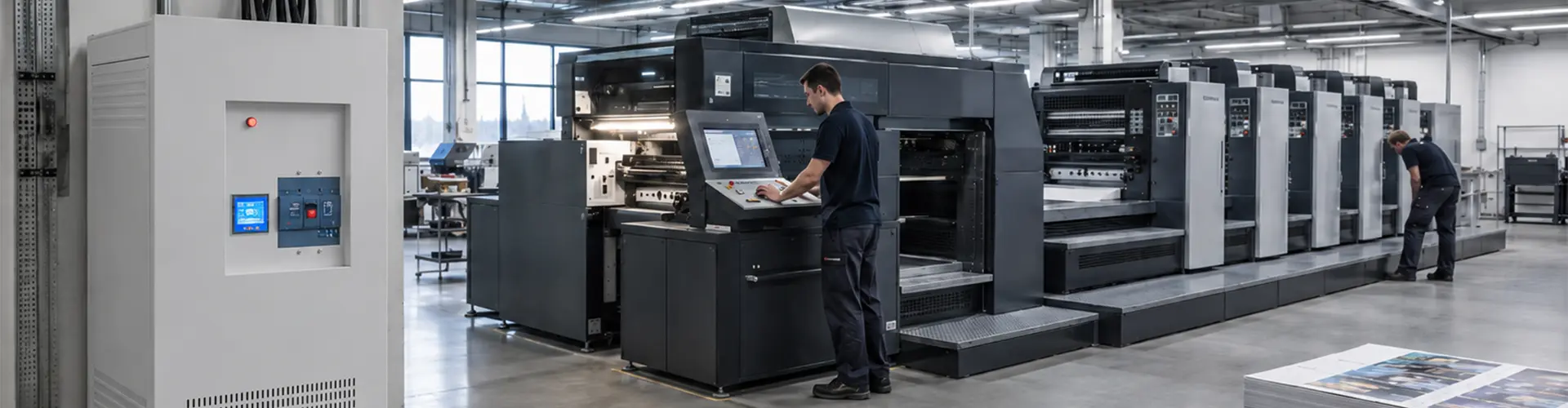
A 3000VA line interactive UPS can be useful in environments where brief power interruptions may cause data loss, communication failures, or operational disruption. Its suitability depends on the actual load and the level of power protection required.
Not every device is suitable for this UPS. Large air conditioners, pumps, motors, medical imaging equipment, and other high-inrush or sensitive loads may require specialized power protection. Confirm startup current, waveform compatibility, applicable safety requirements, and manufacturer recommendations before connecting such equipment.
Choosing a UPS based only on its VA rating can lead to insufficient backup capacity or unexpected overload alarms. A practical selection process should consider several factors.
List every device that needs protection and determine its actual power consumption in watts. Add the expected loads and compare the result with the 1800W output rating of the AK-3000VA. Allow additional headroom for load fluctuations and startup demand rather than planning to operate continuously at the maximum rating.
Determine whether you need enough time to save files, shut down a server, maintain a network connection, or bridge a short interruption until generator power becomes available.
Battery runtime varies with load, battery condition, temperature, and conversion efficiency. It should be confirmed against a manufacturer runtime curve or a practical test under representative operating conditions.
The AK-3000VA provides a simulated sine wave during battery operation. Many conventional electronic power supplies can operate with this waveform, but compatibility is not universal. Equipment with active power-factor correction, specialized power supplies, or strict waveform requirements should be checked with its manufacturer.
For unattended equipment, optional communication interfaces may support status monitoring and orderly shutdown workflows. Confirm whether the required ports, software, cables, and management functions are included or need to be purchased separately.
KTAC states that the AK series does not support parallel operation. If your planned load exceeds the available capacity, or if your installation requires higher availability, consider a suitably rated alternative rather than assuming that two units can be connected in parallel.
Correct installation and routine inspection help maintain UPS performance and extend battery service life. Follow the product manual and local electrical safety requirements throughout installation and operation.
Do not open the UPS enclosure or attempt battery replacement without following the approved procedure. Internal batteries and electrical components can present shock, short-circuit, and other safety hazards even when utility power is disconnected.
Different UPS architectures are designed for different operating conditions. Understanding their basic differences helps buyers choose an appropriate balance of cost, power conditioning, and continuity.
| UPS Type | Operating Principle | Typical Advantages | Main Consideration |
|---|---|---|---|
| Offline / Standby UPS | Normally supplies utility power and switches to battery during an outage. | Simple design and cost-effective backup. | Limited voltage conditioning in many models. |
| Line Interactive UPS | Uses voltage-regulation circuitry and transfers to battery when necessary. | Combines voltage correction with backup power. | Transfer time and output waveform must suit the load. |
| Online Double-Conversion UPS | Normally converts incoming AC to DC and back to AC. | Provides continuous inverter-based power conditioning. | Often has higher cost and greater conversion losses. |
The AK-3000VA is a line interactive product with simulated sine wave output in battery mode. If your application requires a pure sine wave, zero-transfer-time operation, or a more controlled output for highly sensitive equipment, compare the detailed specifications of an appropriate online UPS before making a decision.
For additional product information, explore KTAC's 3000VA Line Interactive UPS page and its broader power protection and energy solutions portfolio.
3000VA represents the UPS's apparent power rating. It does not mean the unit can supply 3000W. The KTAC AK-3000VA is rated at 1800W, so the total real power consumption of connected equipment must remain within that limit.
Runtime depends on the connected load and battery condition. The product information describes approximately 20–25 minutes at half load and 8–10 minutes at full load. These figures should be treated as indicative estimates rather than guaranteed runtime under every operating condition.
No. Its published battery-mode output is a simulated sine wave. If your equipment requires pure sine wave power, ask KTAC about a compatible alternative, such as an appropriate online UPS model.
The published AK-3000VA configuration uses four 12V/9Ah batteries. The nominal combined stored energy is approximately 432Wh before operating losses and other battery-related factors.
The published typical recharge time is approximately eight hours to reach 90% battery capacity. Actual charging time can vary with battery condition, discharge depth, temperature, and the charging system.
No. KTAC states that the AK series does not support parallel operation. For a higher-capacity requirement, consult the manufacturer about a suitably rated UPS architecture.
It can be suitable for compatible servers, switches, and networking equipment when their combined load remains within the rated capacity. Check power demand, startup current, battery runtime, waveform requirements, and any redundancy requirements before installation.
KTAC lists OEM/ODM services, including logo printing, custom packaging, and optional communication interfaces. Buyers should confirm minimum order quantities, available configurations, certification requirements, and delivery schedules directly with the company.
A 3000VA line interactive UPS can be a practical choice for businesses that need dependable short-term backup and voltage regulation for compatible electronic equipment. The KTAC AK-3000VA combines a 3000VA/1800W rating, four 12V/9Ah batteries, simulated sine wave output, and optional communication interfaces in a compact UPS solution. Its real-world suitability depends on load requirements, waveform compatibility, backup duration, and the selected electrical configuration.
Whether you are sourcing power protection equipment for office IT, networking applications, industrial controls, or an OEM product line, KTAC can help you evaluate the appropriate configuration. Review your equipment load, required backup time, input voltage, and monitoring needs, then contact us to discuss the 3000VA Line Interactive UPS, OEM/ODM options, and a power protection solution tailored to your business requirements.