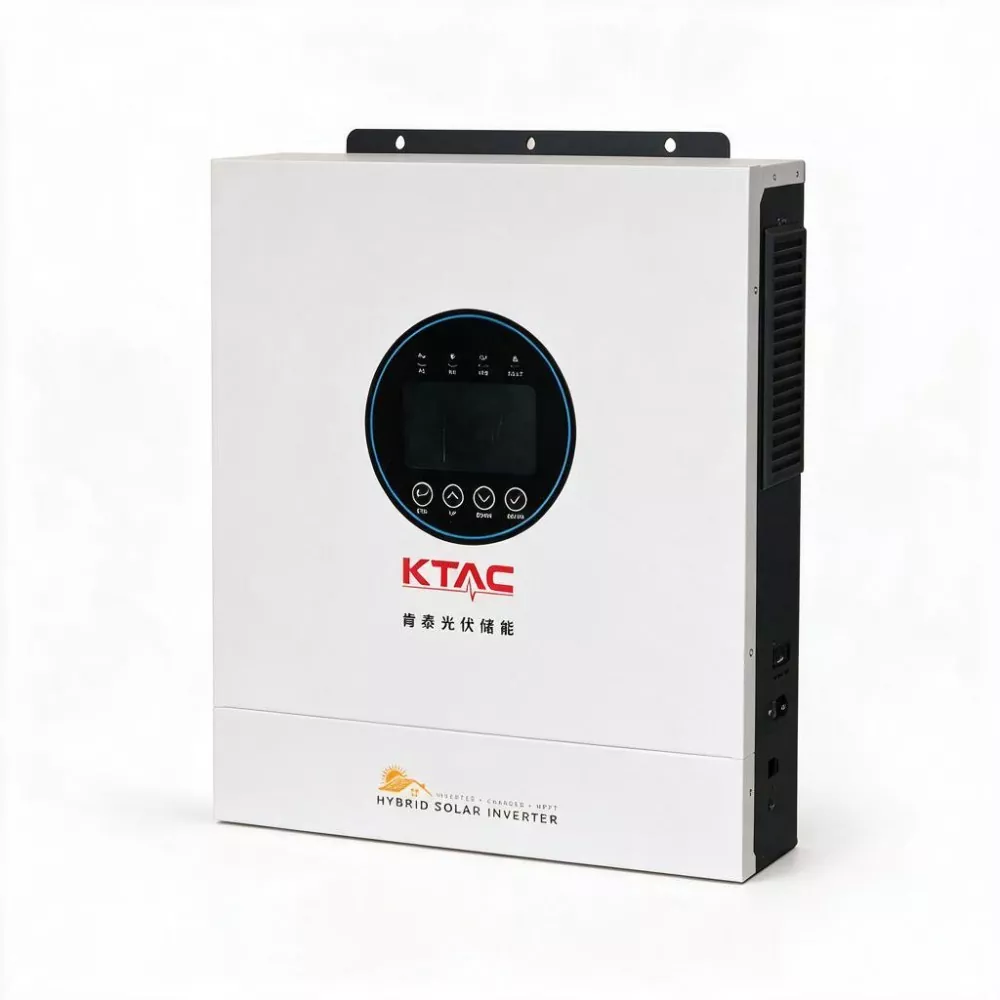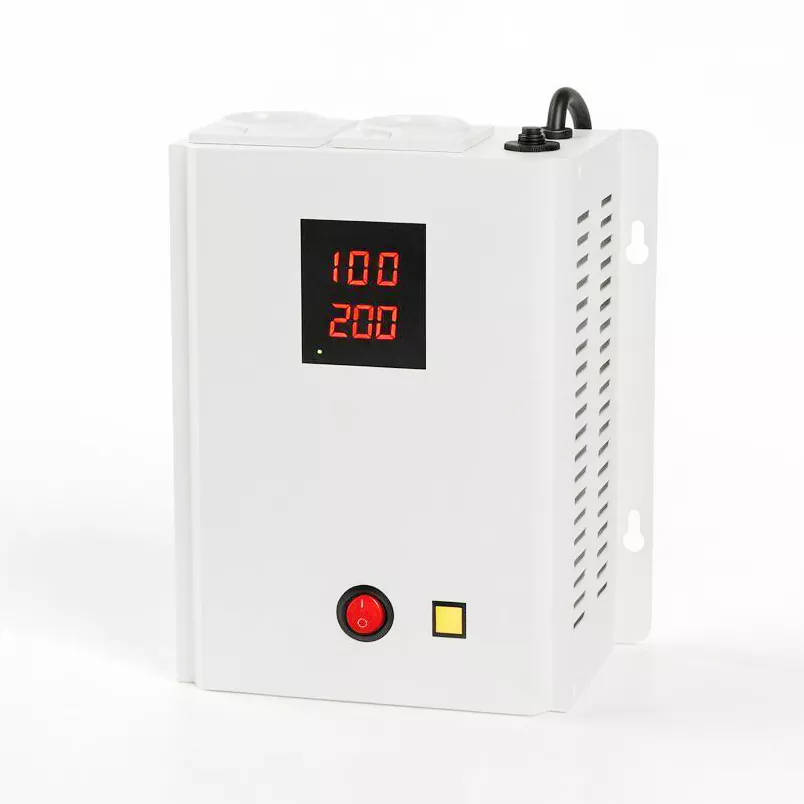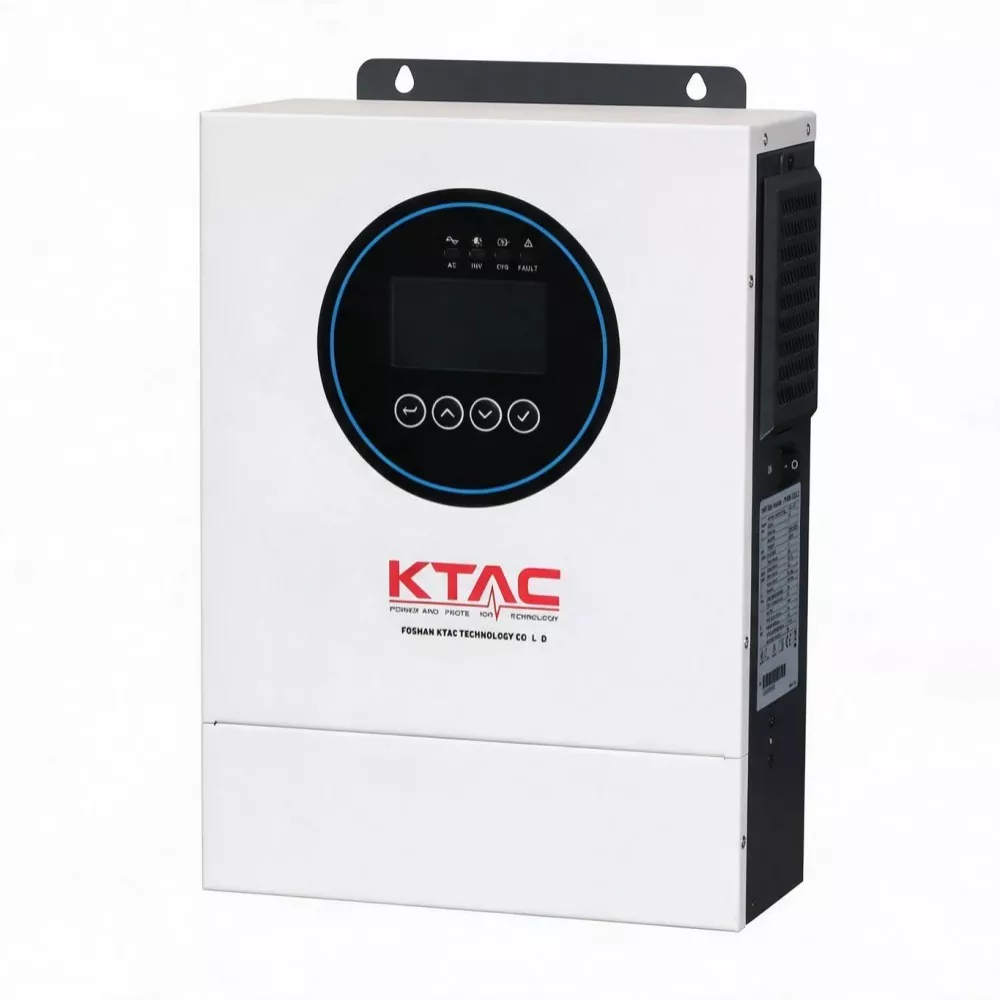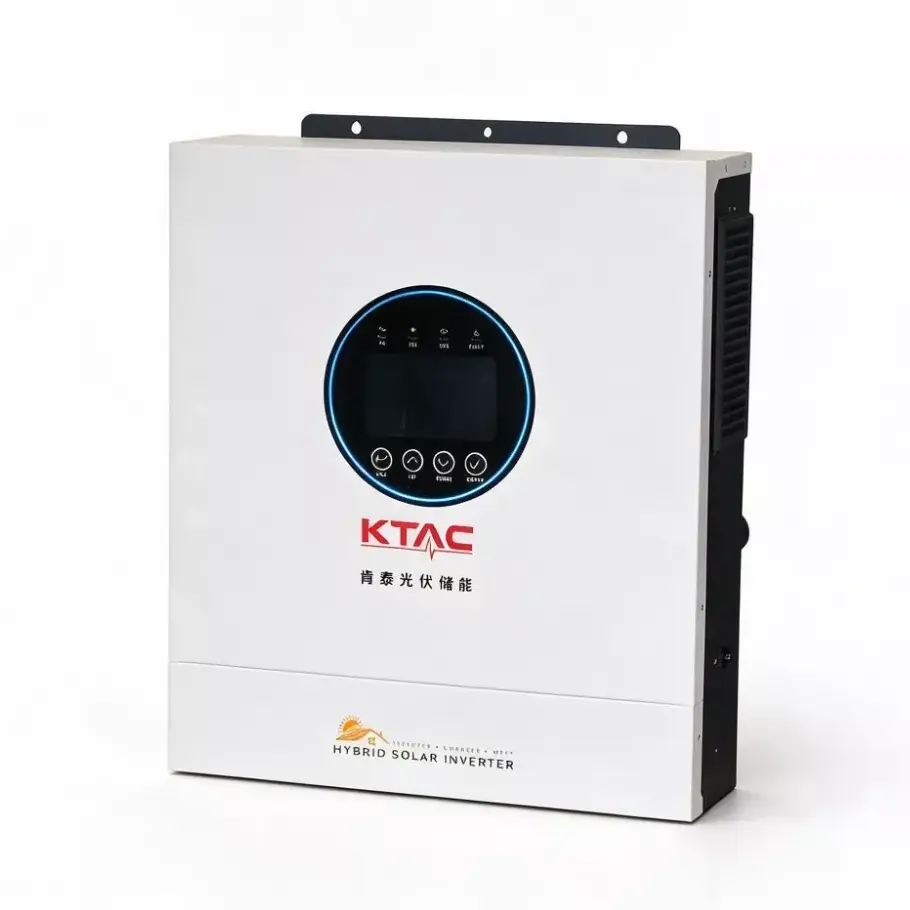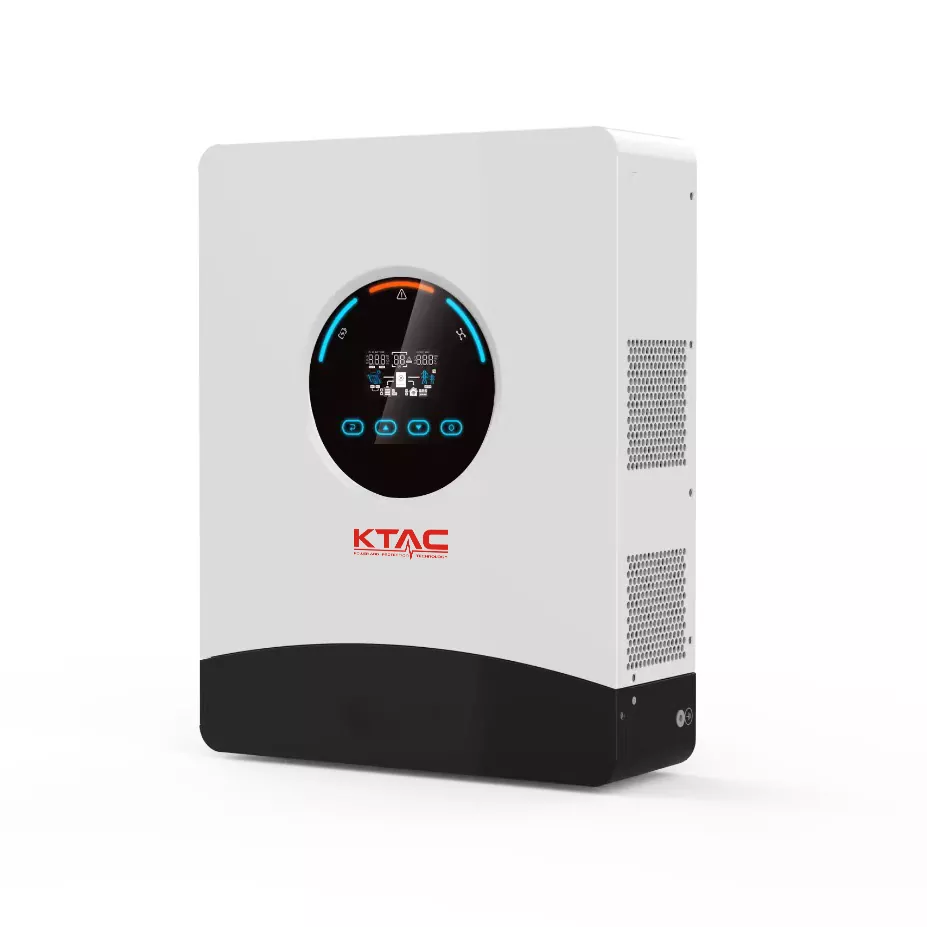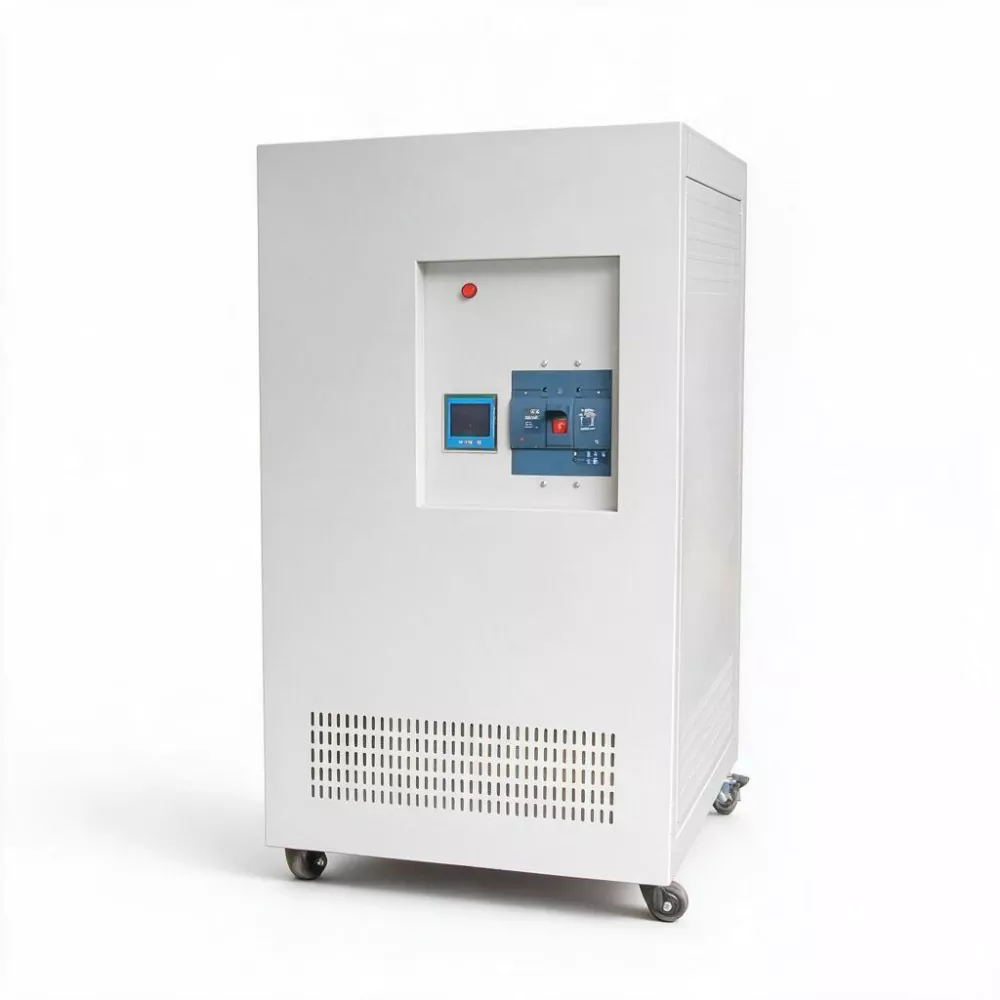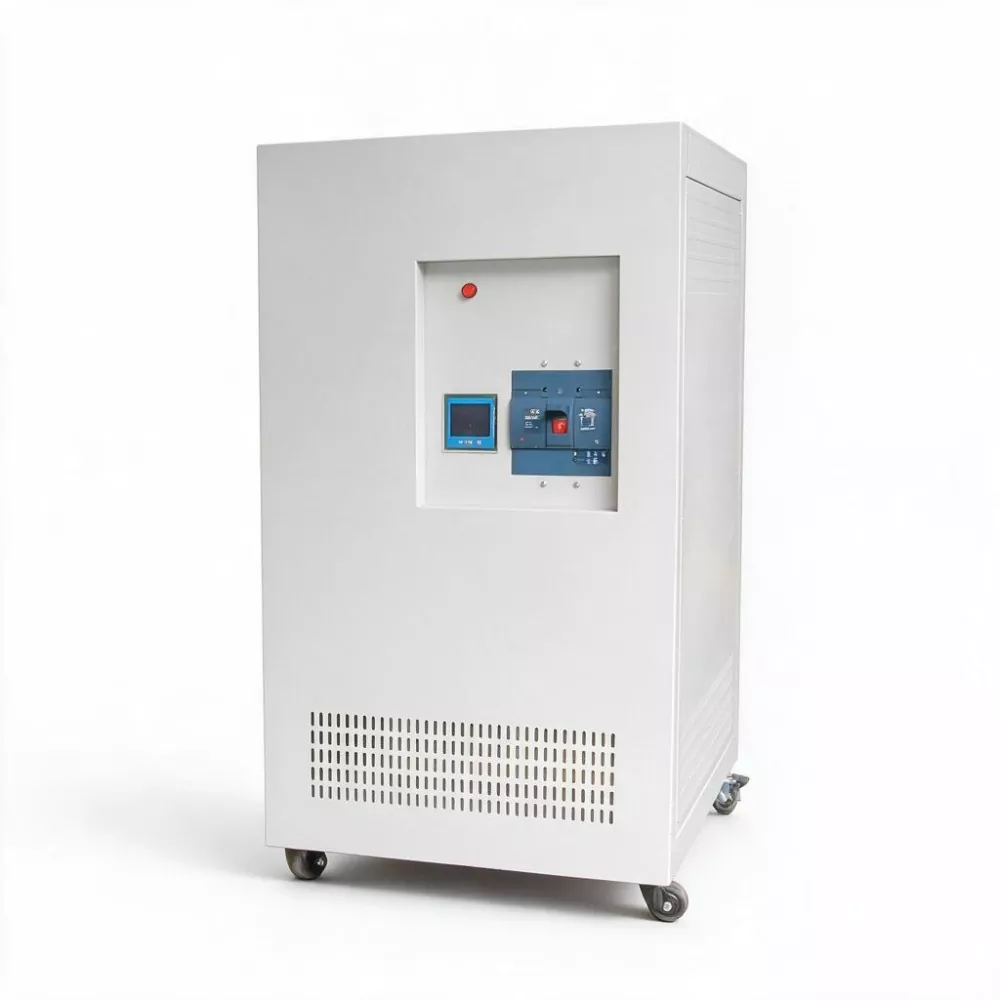


KTAC provides power-quality solutions for demanding industrial environments, and its 3 Phase 500kVA SCR Static AVR is designed for applications where stable three-phase voltage is essential for reliable equipment operation. By combining high-capacity power handling with solid-state SCR regulation, this type of static AVR can help industrial users manage voltage fluctuations without relying on mechanical switching components.
A 3 Phase 500kVA SCR Static AVR is a high-capacity automatic voltage regulation solution intended for industrial electrical systems that require controlled and stable voltage. The 500kVA rating makes it suitable for substantial electrical loads, while SCR-based static regulation enables rapid electronic adjustment. Compared with conventional mechanically controlled voltage stabilizers, a static AVR can provide faster response and reduce the wear associated with moving switching parts. For factories, production lines, automation systems, data-sensitive equipment, and other power-critical applications, selecting the correct AVR requires consideration of voltage range, load characteristics, phase configuration, installation conditions, protection functions, and maintenance requirements.
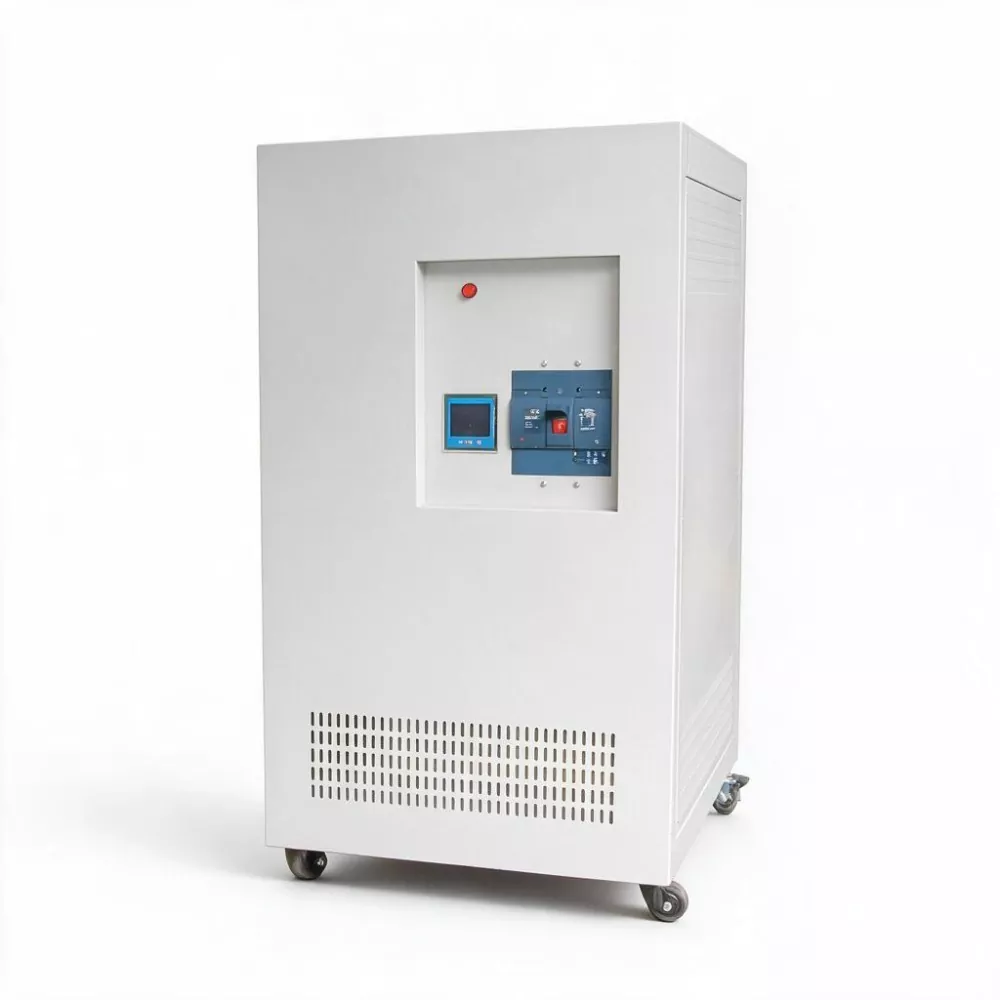
Table of Contents
- What Is a 3 Phase 500kVA SCR Static AVR?
- Why Does SCR Technology Matter in Static AVR Systems?
- What Are the Key Features to Evaluate?
- Key Technical Considerations at a Glance
- Where Can a 500kVA Static AVR Be Used?
- How Should You Select the Right Industrial AVR?
- What Operational Benefits Can Businesses Expect?
- Frequently Asked Questions
- Conclusion
What Is a 3 Phase 500kVA SCR Static AVR?
A 3 Phase 500kVA SCR Static AVR is an automatic voltage regulator designed to stabilize voltage in a three-phase electrical system with a nominal apparent-power capacity of 500kVA. The term SCR refers to a silicon-controlled rectifier, a semiconductor switching device used to control electrical power electronically.
Unlike traditional servo stabilizers that depend on motor-driven mechanical components, an SCR static AVR uses electronic switching and control. This design is particularly relevant where voltage disturbances need to be corrected quickly and where frequent mechanical movement could increase maintenance requirements.
For large industrial loads, voltage stability is not simply a matter of convenience. Voltage that is consistently outside the preferred operating range can affect motors, automation equipment, control systems, production machinery, and sensitive electronic devices. A correctly specified static AVR can therefore become an important component within an overall power-quality strategy.
Why Does SCR Technology Matter in Static AVR Systems?
The major distinction of an SCR static AVR is its non-contact electronic regulation method. Semiconductor switching allows the regulator to adjust voltage without depending on mechanical contacts moving across a winding.
This architecture can offer several practical advantages:
- Fast voltage correction: Electronic switching can respond rapidly to changes in the incoming supply.
- No motor-driven adjustment: The regulation process does not require a mechanical servo motor to move continuously.
- Reduced mechanical wear: Fewer moving regulation components can simplify long-term maintenance.
- Suitability for dynamic loads: Fast correction can be useful where industrial loads change frequently.
- Continuous automatic operation: The control system can monitor electrical conditions and regulate the output automatically.
Industry examples of static SCR regulators show that three-phase models are available across a broad capacity range, including 500kVA-class systems. Technical configurations vary by manufacturer, so input voltage, output voltage, regulation accuracy, response characteristics, cooling, and protection functions should always be confirmed against the actual project specification.
What Are the Key Features to Evaluate?
High-Power Three-Phase Capacity
The 500kVA rating positions this AVR category for substantial electrical installations rather than small office loads. Before installation, engineers should calculate the actual connected load, starting current, demand profile, power factor, and expected future expansion.
Static SCR Regulation
SCR technology provides electronic voltage adjustment. This is especially relevant for applications where rapid voltage correction and frequent regulation are required.
Automatic Monitoring and Control
An industrial AVR should continuously monitor relevant electrical parameters and automatically regulate the output according to the configured operating range. A clear control interface can also make commissioning and routine inspection easier.
Protection Functions
High-capacity voltage regulation equipment should be evaluated together with its protection architecture. Depending on the specific design, protection may include conditions such as overvoltage, undervoltage, overload, short circuit, phase-related faults, overheating, and abnormal operating conditions.
Industrial Installation Design
At 500kVA, physical installation becomes an important engineering consideration. The project team should review enclosure dimensions, ventilation, heat dissipation, cable routing, maintenance clearance, grounding, environmental conditions, and access for service personnel.
Key Technical Considerations at a Glance
| Parameter | What to Check | Why It Matters |
|---|---|---|
| Rated Capacity | 500kVA | Defines the intended apparent-power capacity of the system. |
| Phase Configuration | Three phase | Must match the site's electrical distribution architecture. |
| Regulation Technology | SCR static control | Provides electronic, non-contact voltage adjustment. |
| Input Voltage | Confirm according to project requirements | Determines whether the AVR matches the available utility or generator supply. |
| Output Voltage | Confirm according to connected equipment | Ensures downstream equipment receives the required voltage. |
| Frequency | 50Hz, 60Hz, or project-specific requirement | Must correspond with the electrical system and connected loads. |
| Protection | Overvoltage, undervoltage, overload and other applicable functions | Supports safer and more reliable operation. |
| Cooling | Verify the specified cooling arrangement | Proper heat management is important for continuous high-power operation. |
Note: Exact electrical specifications should be confirmed with the equipment manufacturer before purchase because configuration, voltage range, accuracy, dimensions, protection and other parameters can vary between AVR models.
Where Can a 500kVA Static AVR Be Used?
A high-capacity three-phase static AVR can be considered for industrial facilities where voltage fluctuations may interfere with equipment performance or production continuity. Typical application areas include:
- Manufacturing plants: Supports stable power conditions for production machinery and automated systems.
- CNC and precision equipment: Helps maintain a more consistent electrical supply for sensitive control electronics.
- Industrial automation: Useful for facilities containing PLC-controlled equipment, drives, sensors, and control cabinets.
- Communication and electronic equipment: Can help manage supply-voltage instability affecting sensitive electronic systems.
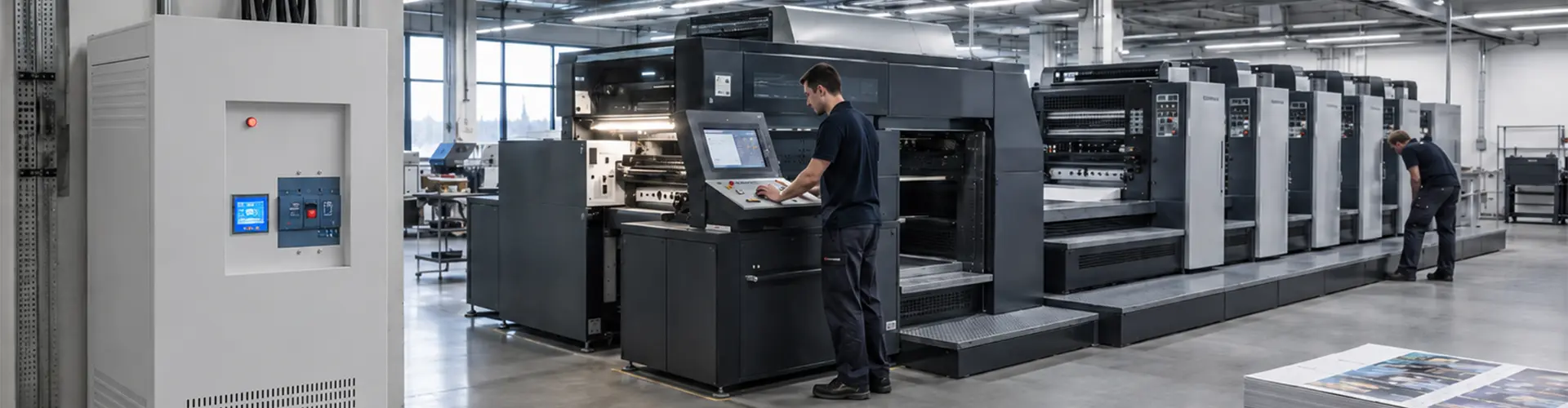
- Printing and processing equipment: Stable voltage can support consistent machine operation during long production cycles.
- Commercial and infrastructure facilities: May be applied where large three-phase loads require automatic voltage regulation.
The suitability of an AVR should always be determined from the actual electrical environment rather than from capacity alone. A 500kVA rating does not automatically mean that every 500kVA load profile is appropriate for the same configuration.
How Should You Select the Right Industrial AVR?
Choosing a 3 Phase 500kVA SCR Static AVR should begin with an engineering assessment of the electrical system. The following checklist can help buyers organize the technical requirements before requesting a quotation:
- Record the incoming voltage. Identify the nominal voltage and the actual fluctuation range at the installation site.
- Calculate the real load. Consider current operating demand, peak demand, motor starting characteristics, and planned expansion.
- Identify sensitive equipment. Determine whether CNC machines, electronics, automation systems, medical devices, or other precision loads are connected.
- Confirm three-phase configuration. Check the number of wires, neutral requirements, grounding arrangement, and phase balance.
- Define output requirements. The required regulated voltage and allowable tolerance should be specified before procurement.
- Review protection and bypass options. Maintenance and fault-handling requirements should be included in the specification.
- Check installation conditions. Temperature, humidity, dust, ventilation, altitude, indoor/outdoor location, and maintenance space can affect equipment selection.
For buyers comparing industrial voltage stabilization solutions, a useful reference point is the distinction between SCR static AVR technology and conventional servo-based regulation. The appropriate choice depends on the required response, load characteristics, environmental conditions, service strategy, and total system design.
What Operational Benefits Can Businesses Expect?
The value of a high-capacity AVR extends beyond simply changing voltage. When correctly sized and installed, voltage regulation can form part of a broader strategy for improving electrical consistency.
Potential operational benefits include:
- More consistent voltage conditions for downstream equipment.
- Reduced exposure to voltage fluctuations within the regulator's designed operating range.
- Fast electronic response compared with mechanically adjusted regulation systems.
- Less dependence on moving mechanical adjustment components.
- Improved suitability for continuously operating industrial systems.
- A more structured approach to managing power-quality requirements.
However, an AVR is not a universal substitute for other power-quality equipment. Voltage regulation, surge protection, harmonic filtering, power-factor correction, backup power, and uninterruptible power supply systems address different electrical problems. A complete project assessment should determine which functions are actually required.
Frequently Asked Questions
What does 500kVA mean in a static AVR?
500kVA represents the rated apparent-power capacity of the AVR. The practical usable load depends on the equipment configuration, power factor, operating conditions, load type, and manufacturer's specified limits.
Why use SCR technology instead of a mechanical servo system?
SCR technology uses semiconductor switching rather than motor-driven mechanical adjustment. This can provide rapid electronic regulation and reduce mechanical wear, making static regulation attractive for applications with dynamic electrical loads.
Is a 3 Phase 500kVA SCR Static AVR suitable for every factory?
No. The capacity alone does not determine suitability. Engineers should verify input voltage, output voltage, fluctuation range, frequency, load profile, phase configuration, environmental conditions, protection requirements, and installation space before selecting a model.
What equipment can benefit from voltage stabilization?
Industrial machinery, CNC systems, automation equipment, electronic control systems, communication equipment, printing machinery, and other voltage-sensitive loads may benefit when unstable supply voltage is affecting operation.
What information should I provide when requesting an AVR quotation?
Provide the required capacity, input and output voltage, frequency, three-phase wiring configuration, voltage fluctuation range, load type, installation environment, protection requirements, and any special communication or bypass requirements. A load list or electrical single-line diagram can also help engineers determine the appropriate configuration.
Conclusion
A 3 Phase 500kVA SCR Static AVR is designed for high-capacity three-phase voltage regulation where rapid electronic control and stable power conditions are important. Its SCR-based architecture, automatic regulation capability, and industrial-scale capacity make this technology relevant to manufacturing, automation, precision machinery, and other power-sensitive applications. For a reliable project outcome, buyers should evaluate the complete electrical environment rather than selecting an AVR based only on the 500kVA rating. If you are planning a high-power voltage stabilization project and need help confirming the appropriate configuration, contact us at KTAC to discuss your voltage requirements, load characteristics, installation conditions, and application needs.