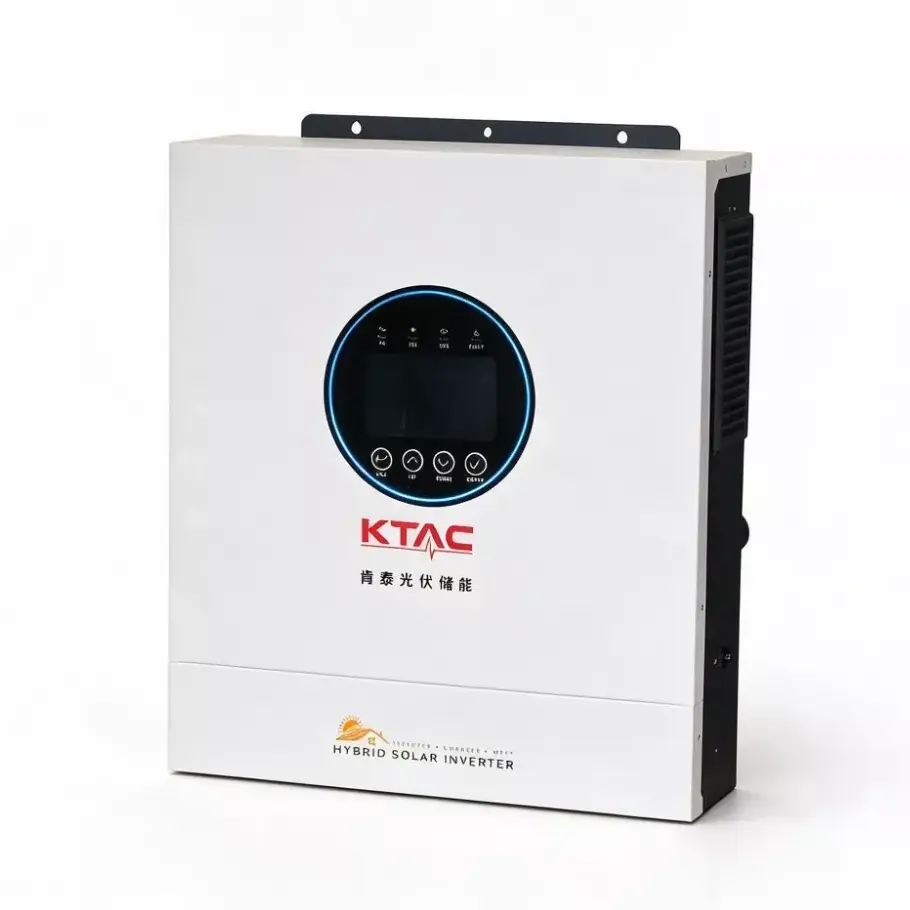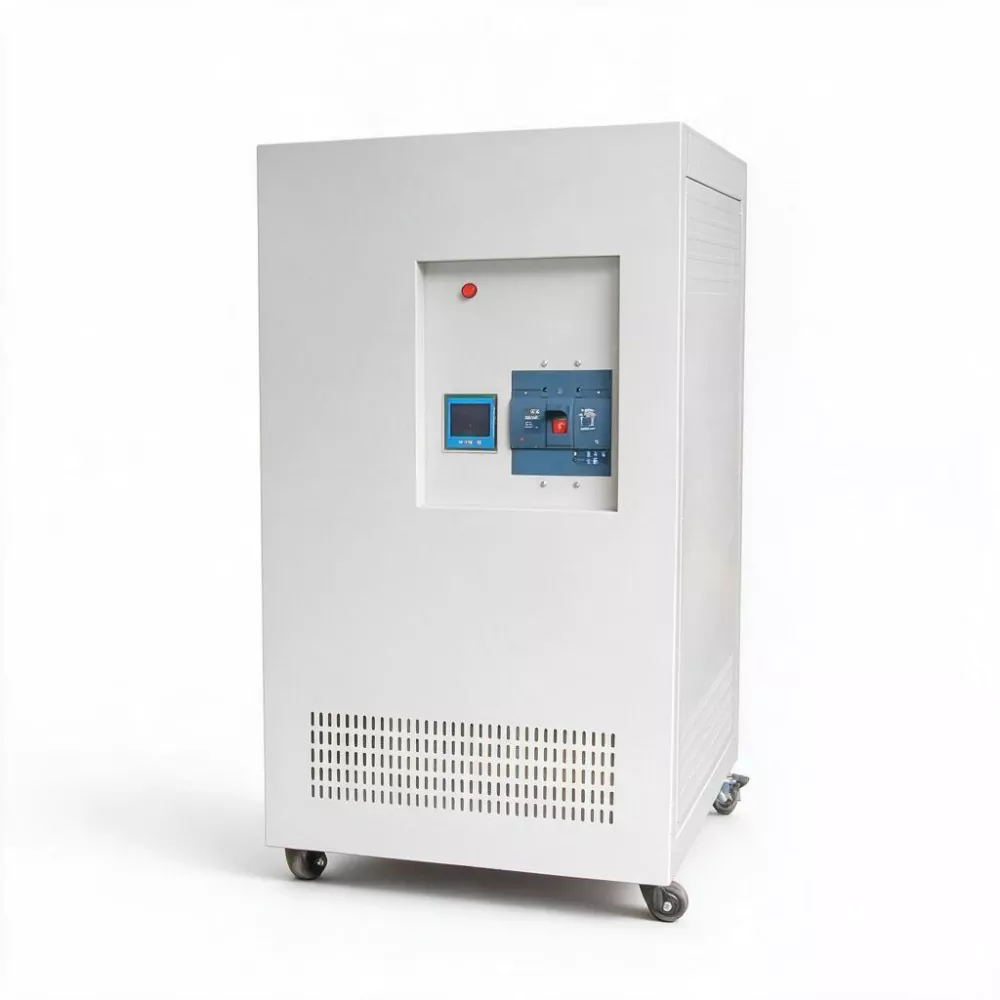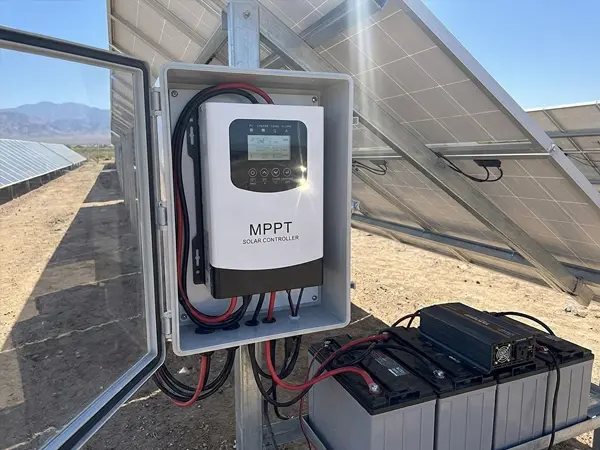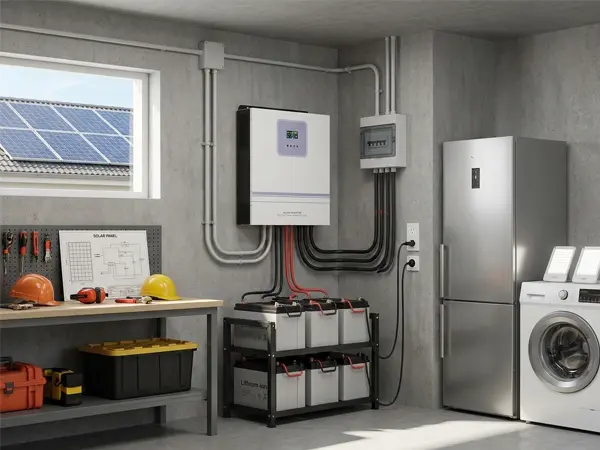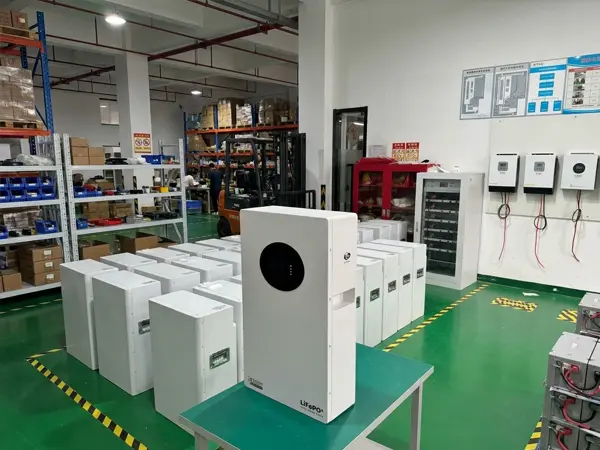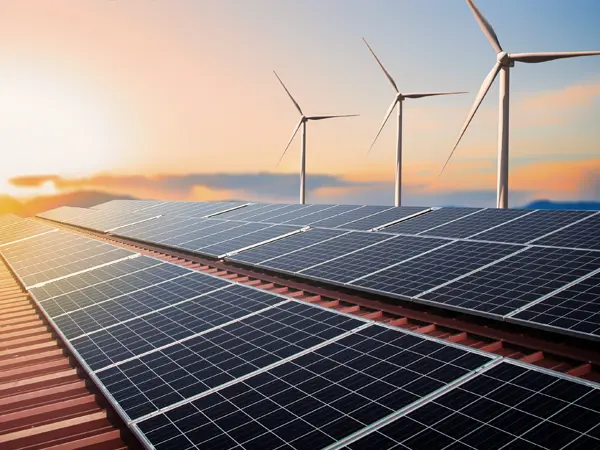
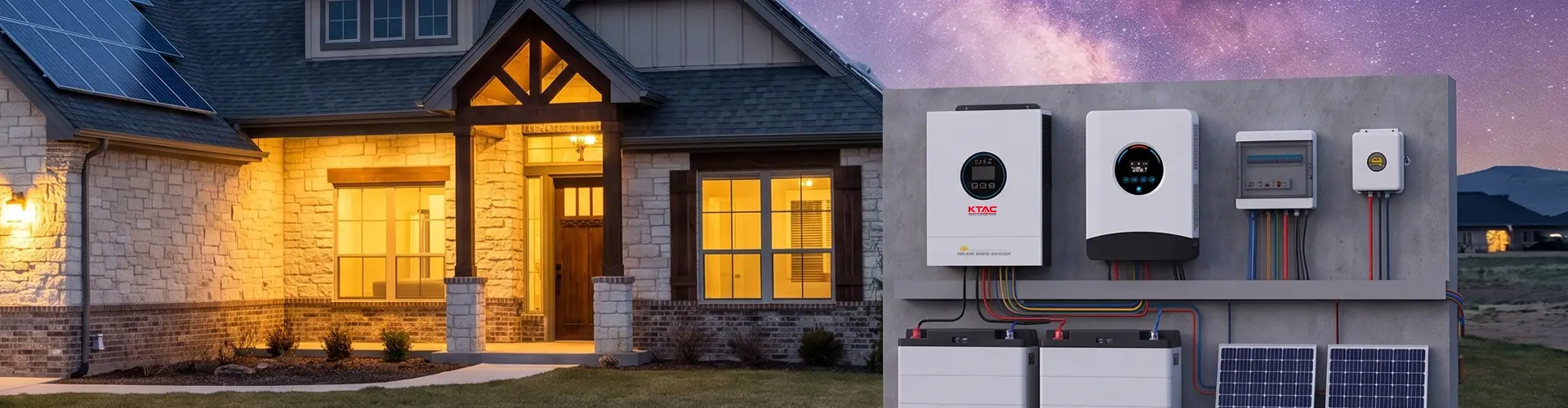
KTAC TECHNOLOGY specializes in providing high-performance solar panels—the core power-generating units of photovoltaic (PV) systems. Utilizing the semiconductor photovoltaic effect, these panels convert sunlight directly into direct current (DC) and integrate with power inverters and energy storage controllers to form complete power supply systems. We offer customizable specifications and compatibility with energy storage and off-grid power systems; we welcome your inquiries.
Our PV modules are categorized by power output, with four flagship models designed to precisely match various site conditions and installation requirements.
1. 585W Monocrystalline PV Module: Compact and highly adaptable, this model emphasizes lightweight installation. It is ideal for space-constrained residential rooftops, small courtyards, and remote monitoring stations—suitable for small-scale off-grid or grid-tied projects—offering installation flexibility and lower initial costs.
2. 620W Monocrystalline PV Module: A mainstream industry model offering balanced performance and strong compatibility. It suits most residential PV setups and small-to-medium-sized distributed rooftop power plants, making it a standard choice for conventional overseas PV projects.
3. 655W Monocrystalline PV Module: A medium-to-high-power model for industrial-scale projects, suitable for medium-to-large factory rooftops, agrivoltaic systems, and medium-sized ground-mounted power plants. Its higher per-panel efficiency allows for fewer modules, thereby reducing cabling and construction costs.
4. 715W Monocrystalline PV Module: An ultra-high-power, high-density model designed for large-scale commercial/industrial rooftop arrays and centralized ground-mounted power plants. It maximizes installation space utilization, boosting total installed capacity and energy generation yields.
1. Half-Cut Cell Technology
These solar panels utilize a mature half-cut cell circuit design, which effectively lowers internal series resistance and reduces energy loss. They offer superior low-light performance and prevent significant power drops across the entire string in the event of partial shading.
2. High-Temperature Durability and Low Degradation
Optimized cell temperature coefficients ensure lower degradation at high temperatures compared to standard modules. They operate stably in hot tropical and subtropical environments, preventing sharp drops in power output during summer heatwaves and ensuring consistent energy generation throughout the year.
3. Multi-layer Sealed Encapsulation
Features high-transmittance tempered glass, weather-resistant EVA film, and an anodized frame; offers waterproof, dustproof, and UV-resistant performance. Equipped with bypass diodes to mitigate hot-spot risks, effectively preventing module aging, leakage, and burnout.
4. Standardized Specifications
Supports 1500V system voltage and features zero negative power tolerance. Standardized mounting holes and electrical parameters ensure compatibility with mainstream inverters and energy storage equipment, facilitating large-scale array deployment and future capacity expansion.
1. Residential Rooftop PV: Suitable for grid-tied systems on rural self-built homes, urban villas, and color-steel tile roofs; enables self-consumption and effectively reduces household electricity costs.
2. Commercial & Industrial Distributed Plants: Ideal for large-scale rooftop installations on factories, warehouses, and shopping malls; utilizes idle space for continuous power generation, reducing peak-hour electricity expenses for enterprises.
3. Off-grid Energy Storage Systems: Paired with storage batteries and controllers, these systems provide stable, continuous power in areas without grid access—such as mountain base stations, islands, RVs, and remote surveillance sites.
4. Ground-mounted & Agri-PV Plants: Suitable for large-scale PV projects on wasteland or farmland; balances power generation revenue with agricultural production, meeting procurement needs for major new energy projects.
1. Avoid Prolonged Shading: Install away from trees, billboards, and building shadows. Promptly clear fallen leaves and debris from module surfaces to prevent localized shading, which can cause hot spots and lead to module aging or damage.
2. Regular Cleaning: In dry, low-rainfall regions, clean dust from module surfaces every 1–2 quarters using clean water and a soft cloth. Do not use hard tools to scrape the glass, as this can reduce light transmittance and impair power generation.
3. Annual Safety Inspections: Annually inspect frame mounting screws and terminal seals. Check for issues such as glass cracking, EVA film yellowing, or wiring degradation to proactively mitigate failure risks.
4. Standardized System Configuration: Strictly prohibit mixing modules of different power ratings in the same series string. Match with appropriate inverters and controllers to ensure system stability and prevent power generation losses caused by parameter mismatches.
Choose the 585W model for small rooftops or small off-grid systems; the 620W model for standard residential setups or small factories; the 655W model for medium-sized C&I (commercial and industrial) projects or agrivoltaic systems; and the 715W model for large-scale ground-mounted power plants or expansive factory facilities.
Mixing them is not recommended. Modules of different power ratings have mismatched current and voltage parameters; mixing them in a series string leads to generation imbalances and power losses, and in severe cases, can compromise the lifespan of the entire system.
They offer superior low-light response, better shade tolerance, and lower internal resistance losses. They generate power for longer periods during overcast days and early/late hours, and are far better suited for complex outdoor environments than standard full-cell modules.
No. The product features optimized temperature coefficients, keeping power loss under control in high-temperature conditions; it is suitable for long-term, stable operation in hot regions such as Southeast Asia, the Middle East, and Africa.
No. PV output voltage fluctuates with sunlight intensity; a solar charge controller must be used to prevent overcharging and over-discharging, thereby protecting the battery's lifespan.