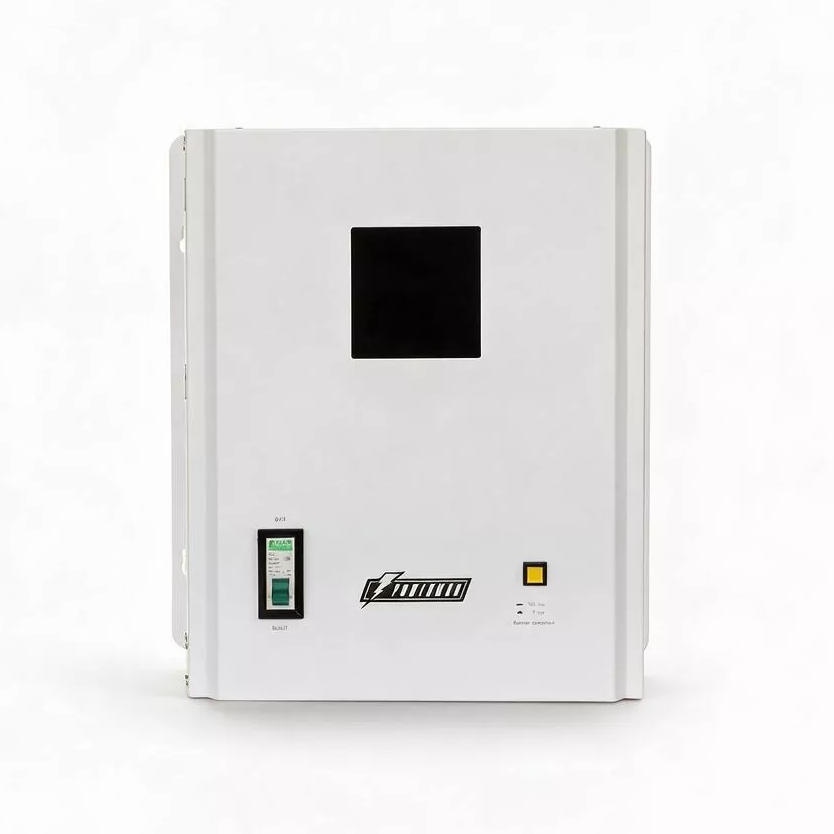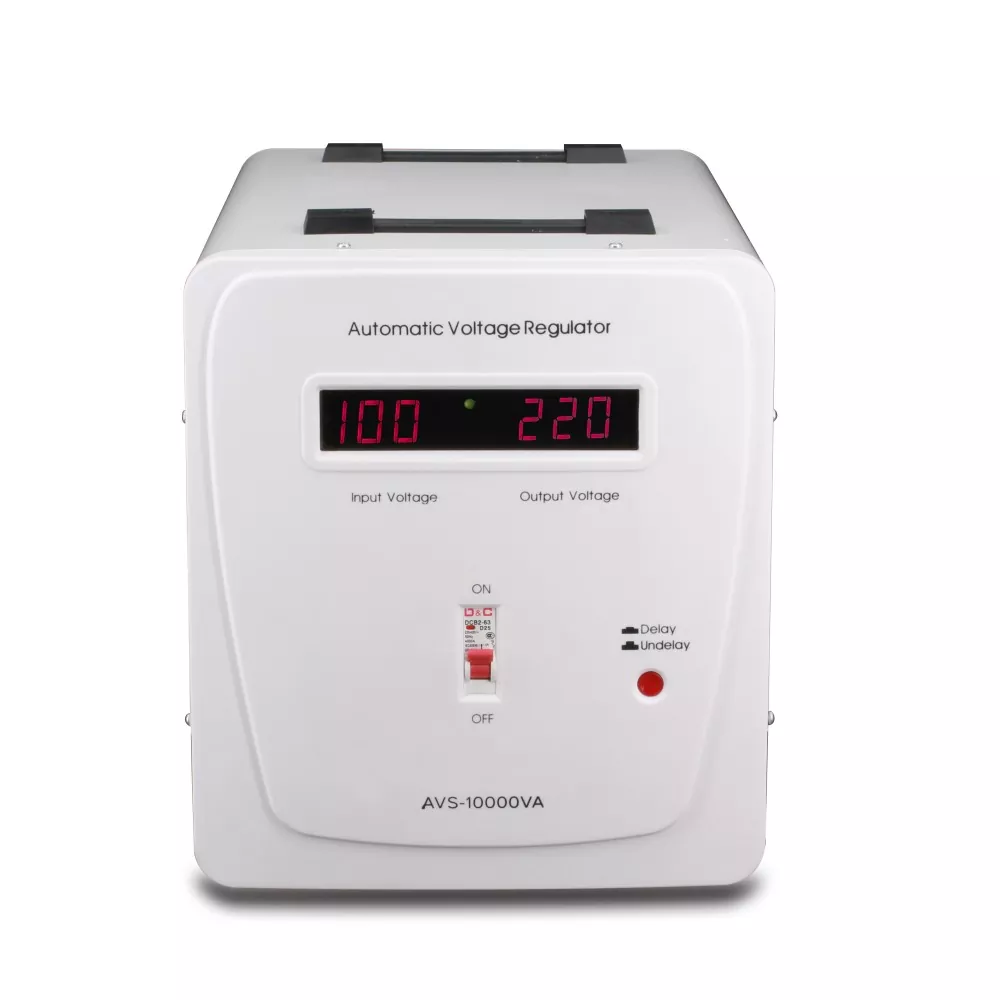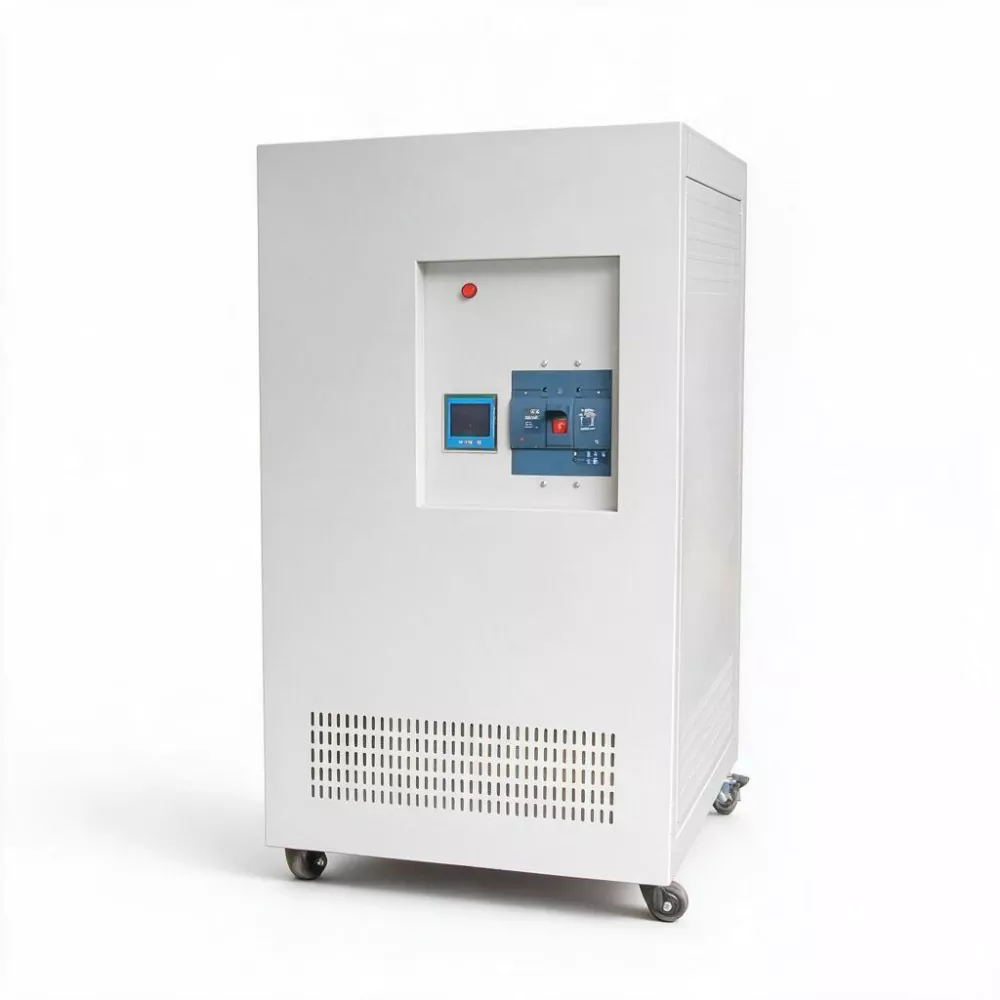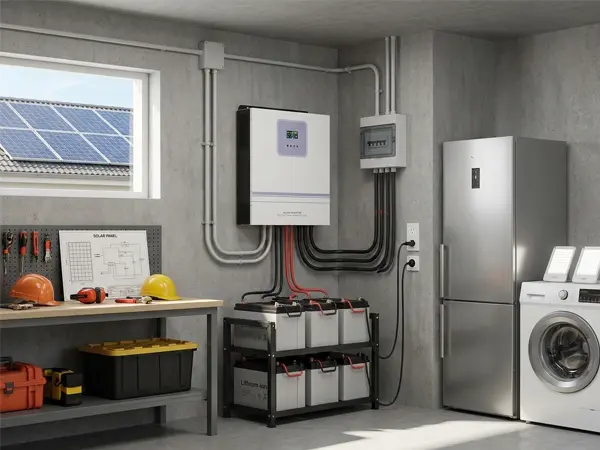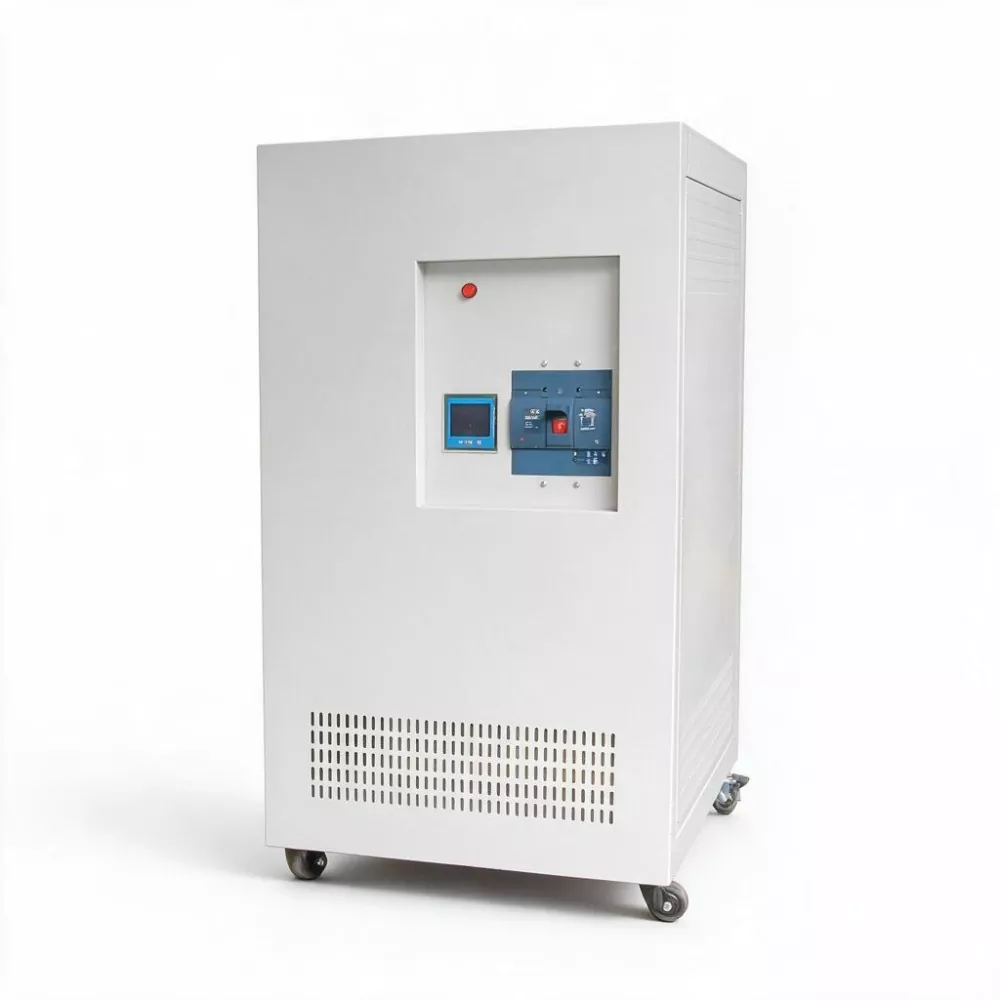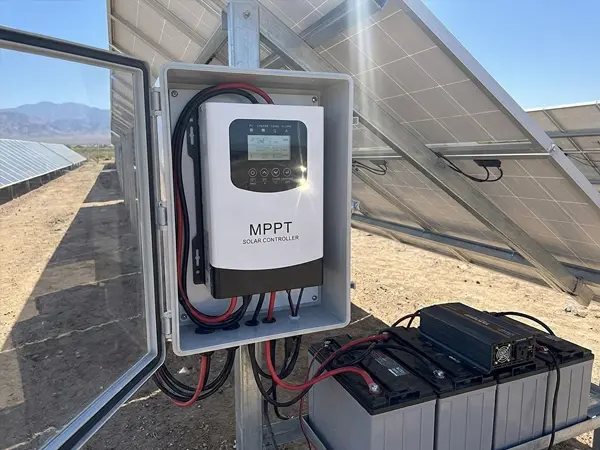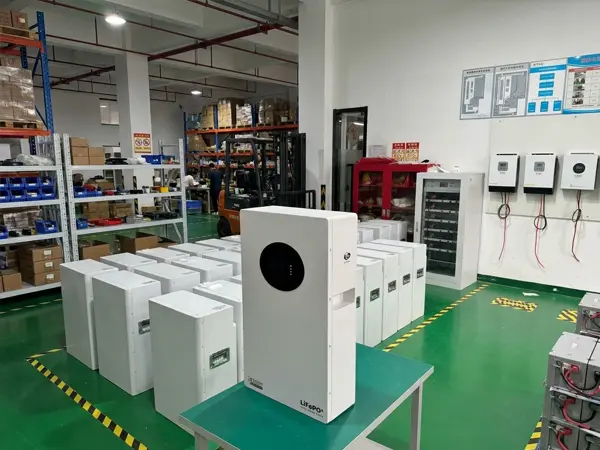
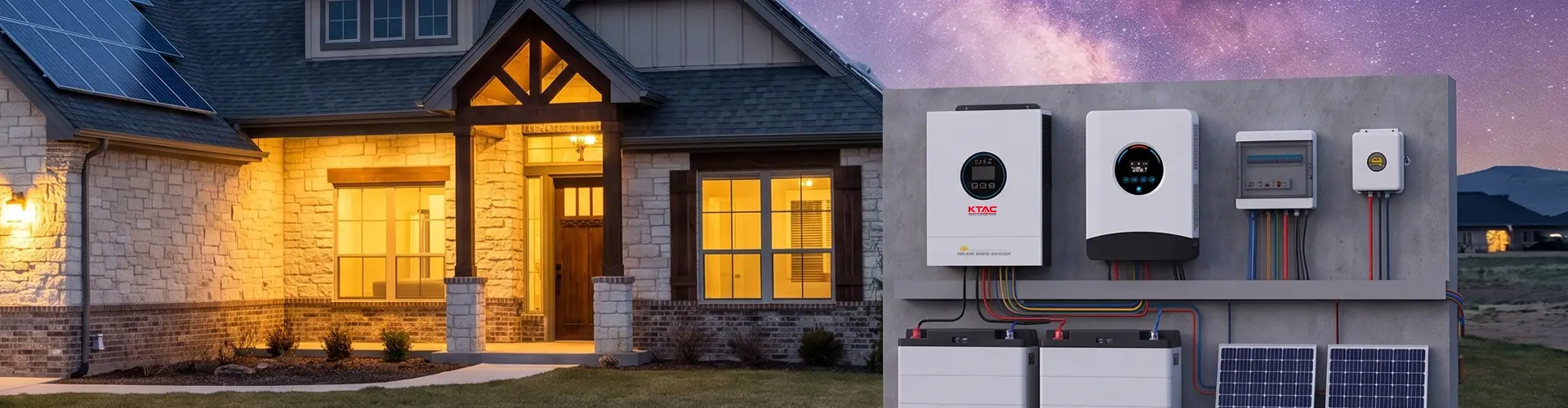
KTAC TECHNOLOGY, with over 20 years of Automatic Voltage Regulator manufacturing experience since 2004, presents the Servo Motor AVR. Covering power ratings from 10KVA to 150KVA, these mature, cost-effective designs are ideal for protecting elevators, air conditioners, production lines, industrial robots, medical equipment, and entire facilities against voltage fluctuations.
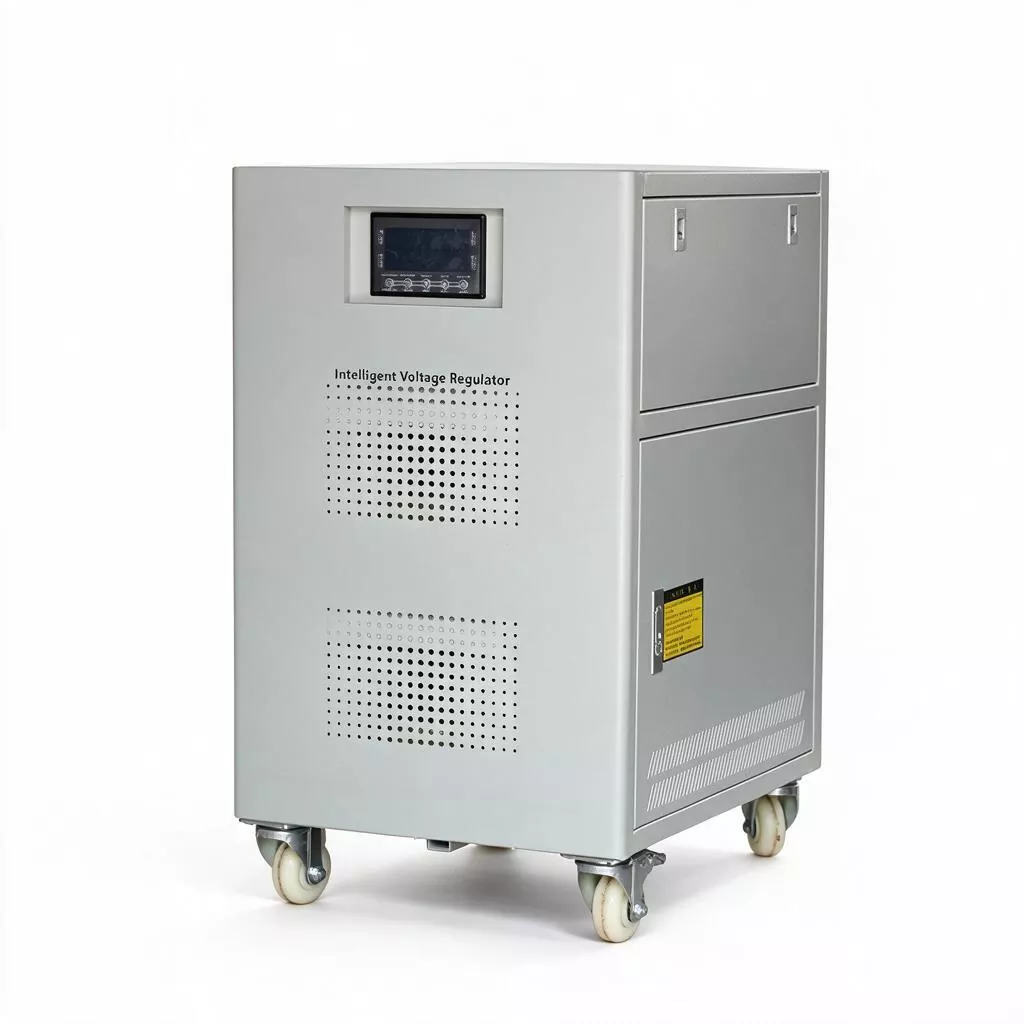
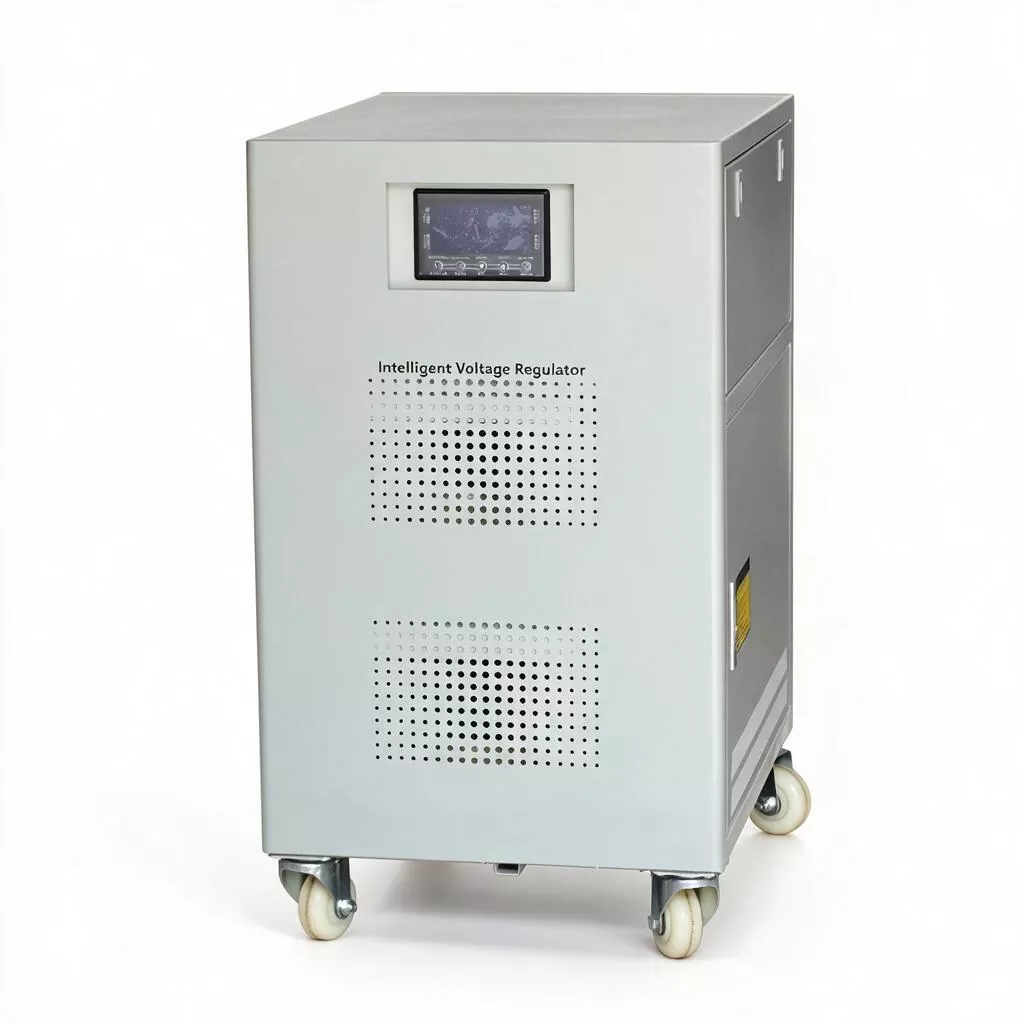
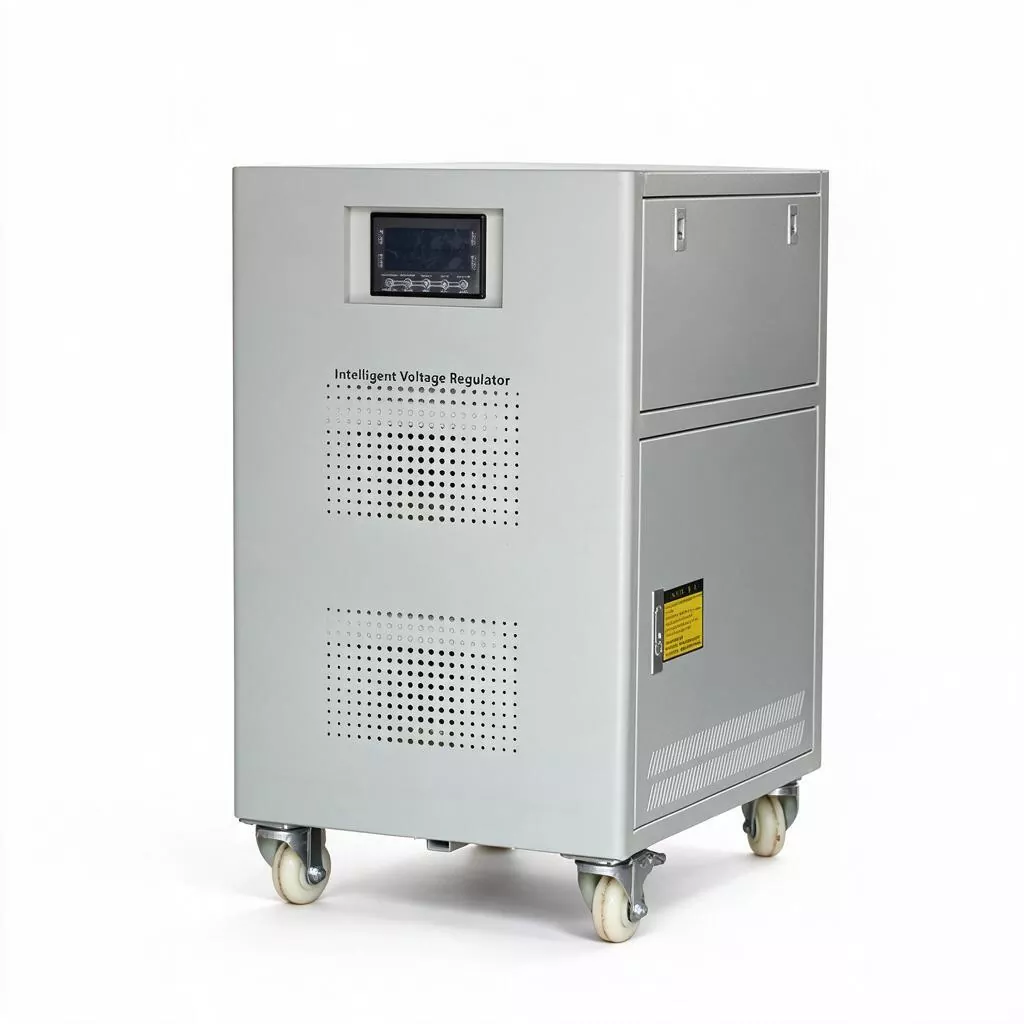
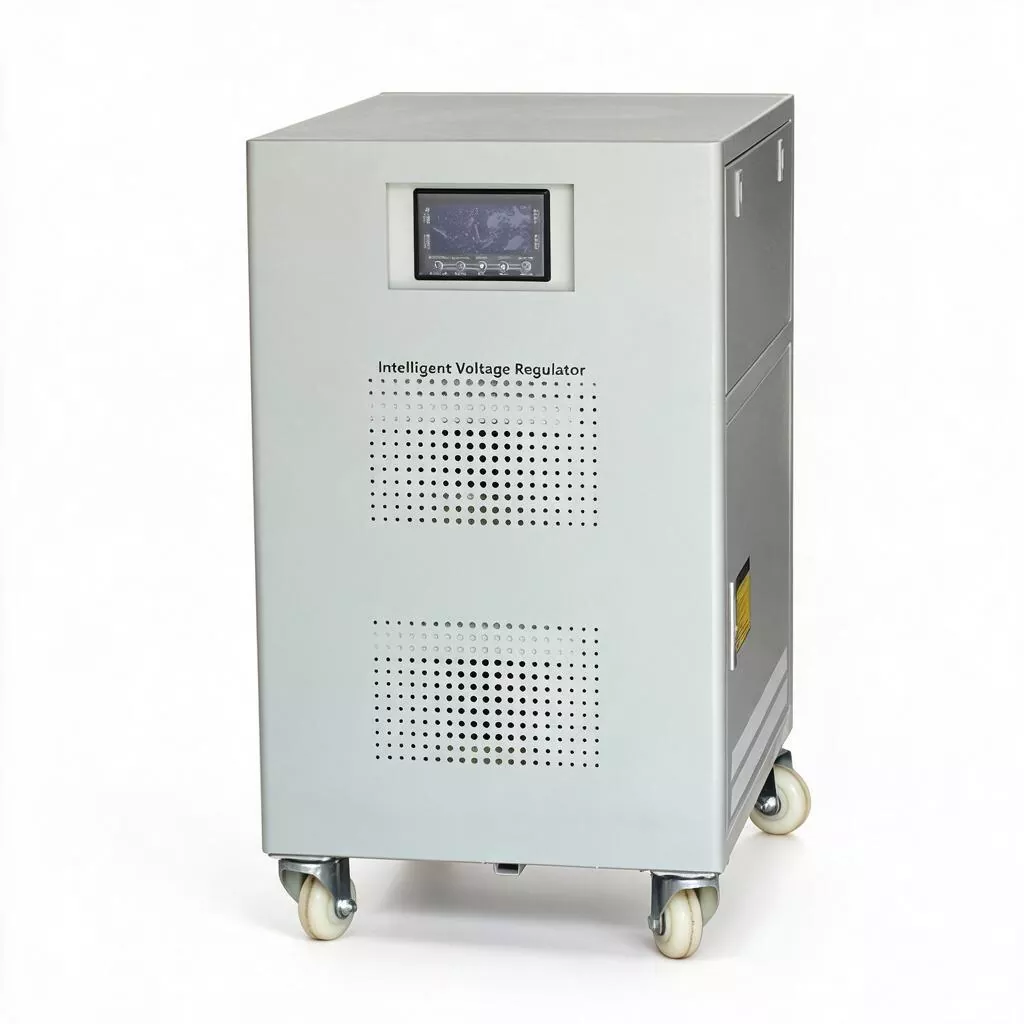
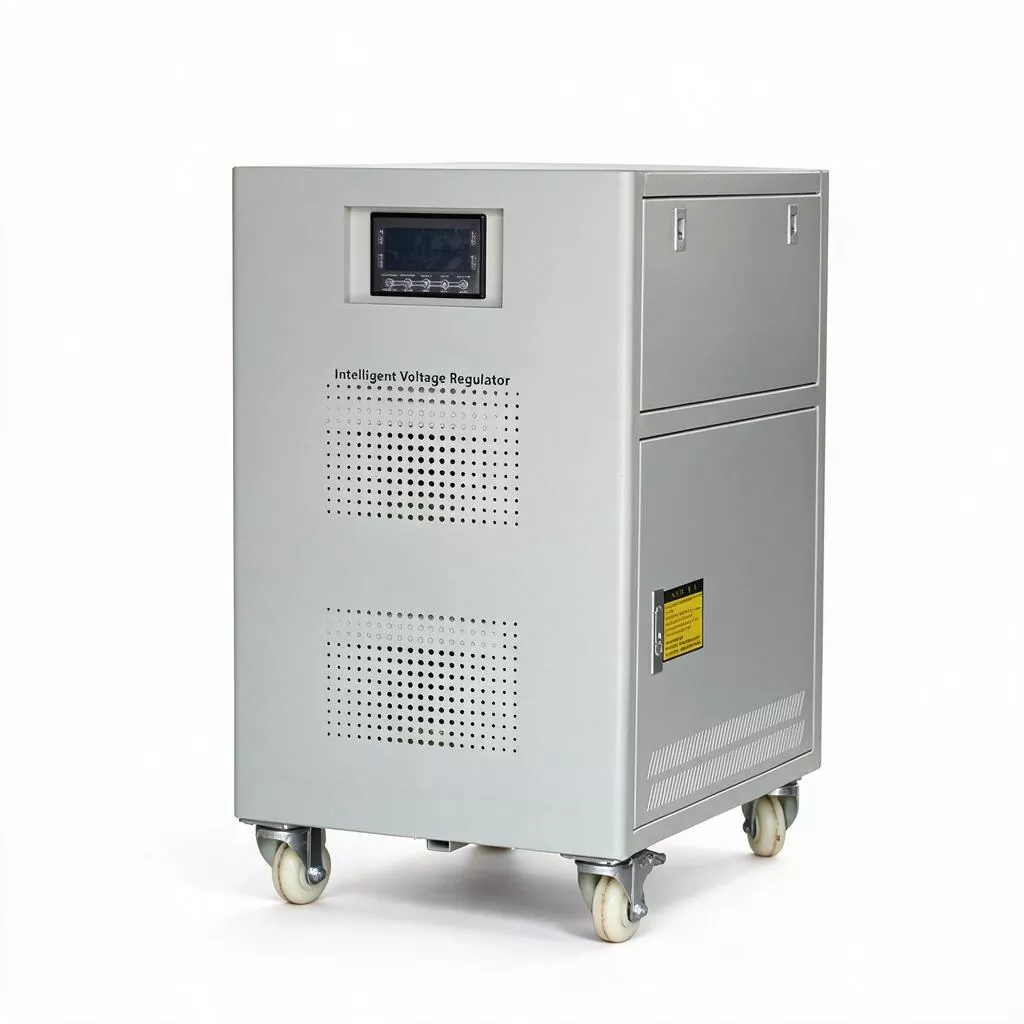
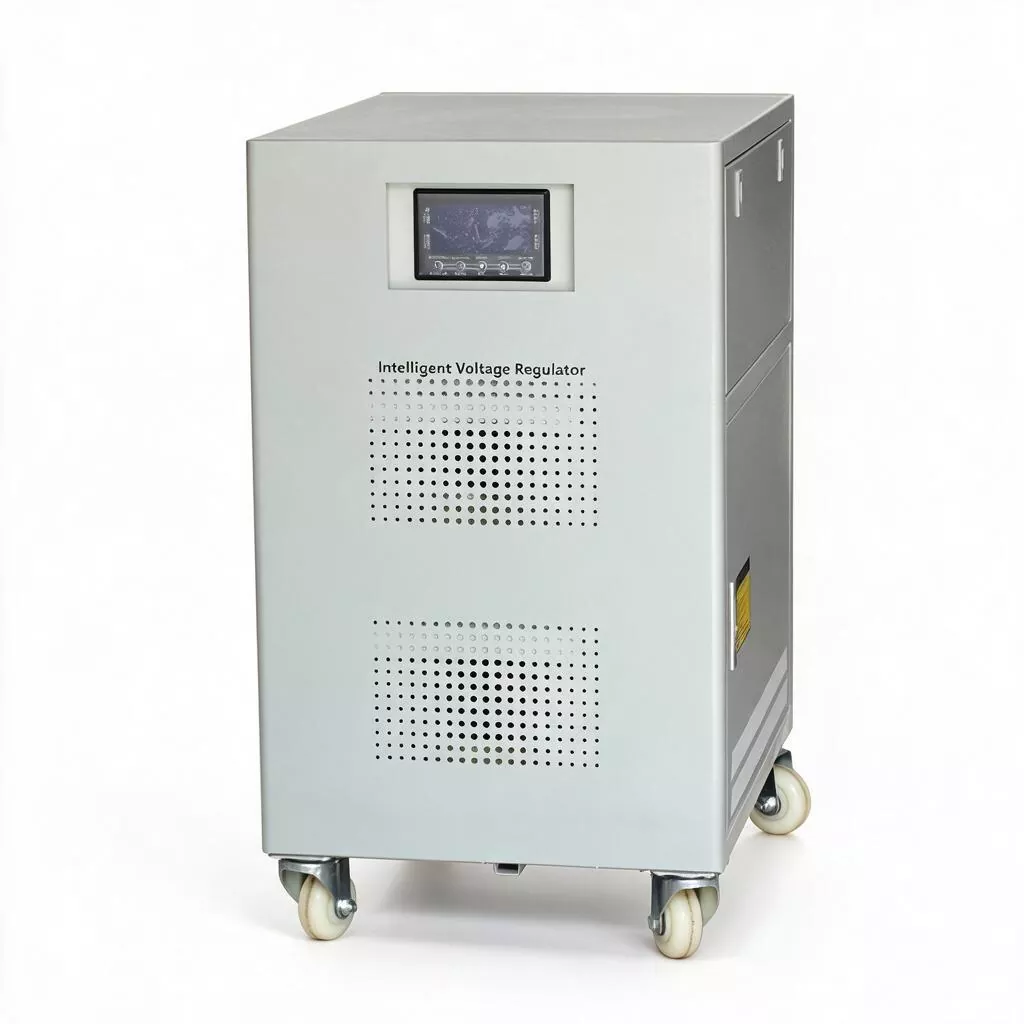
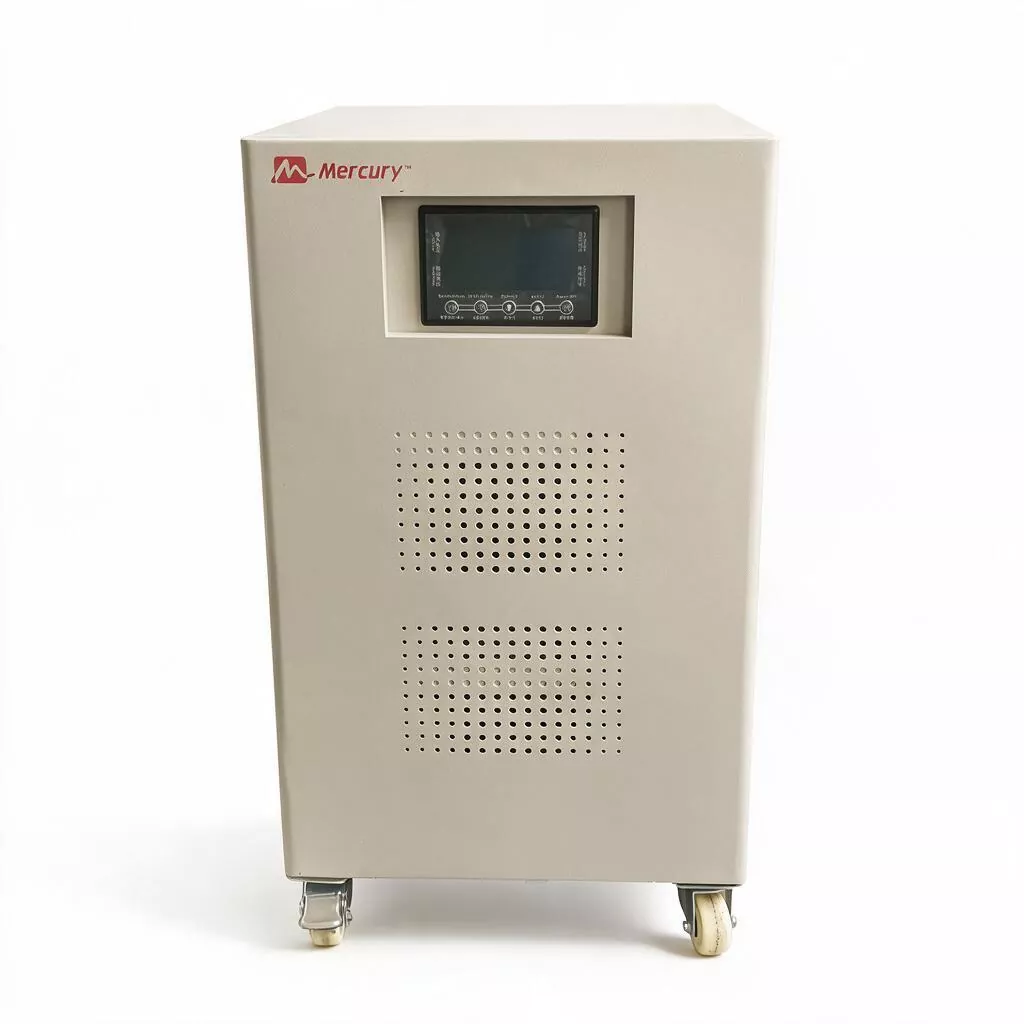
Model: SVC-20KVA
Technology: Servo motor type with MCU control
Phase: Single phase
Input Voltage: 140-260V
Output Precision: ±3%
Certification: CE (available)
Lead Time: 10-15 days
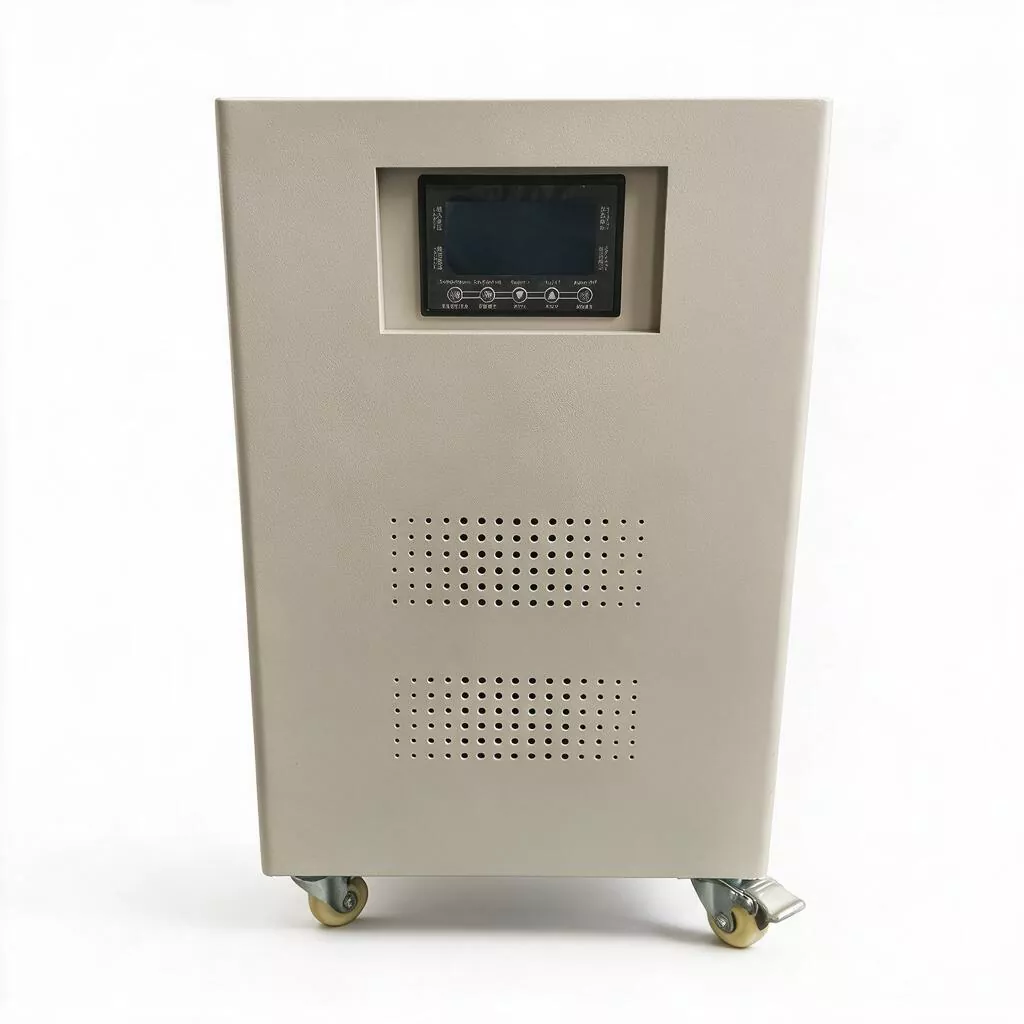
Model: SVC-15KVA
Technology: Servo motor type with MCU control
Phase: Single phase
Input Voltage: 140-260V
Output Precision: ±3%
Certification: CE (available)
Lead Time: 10-15 days
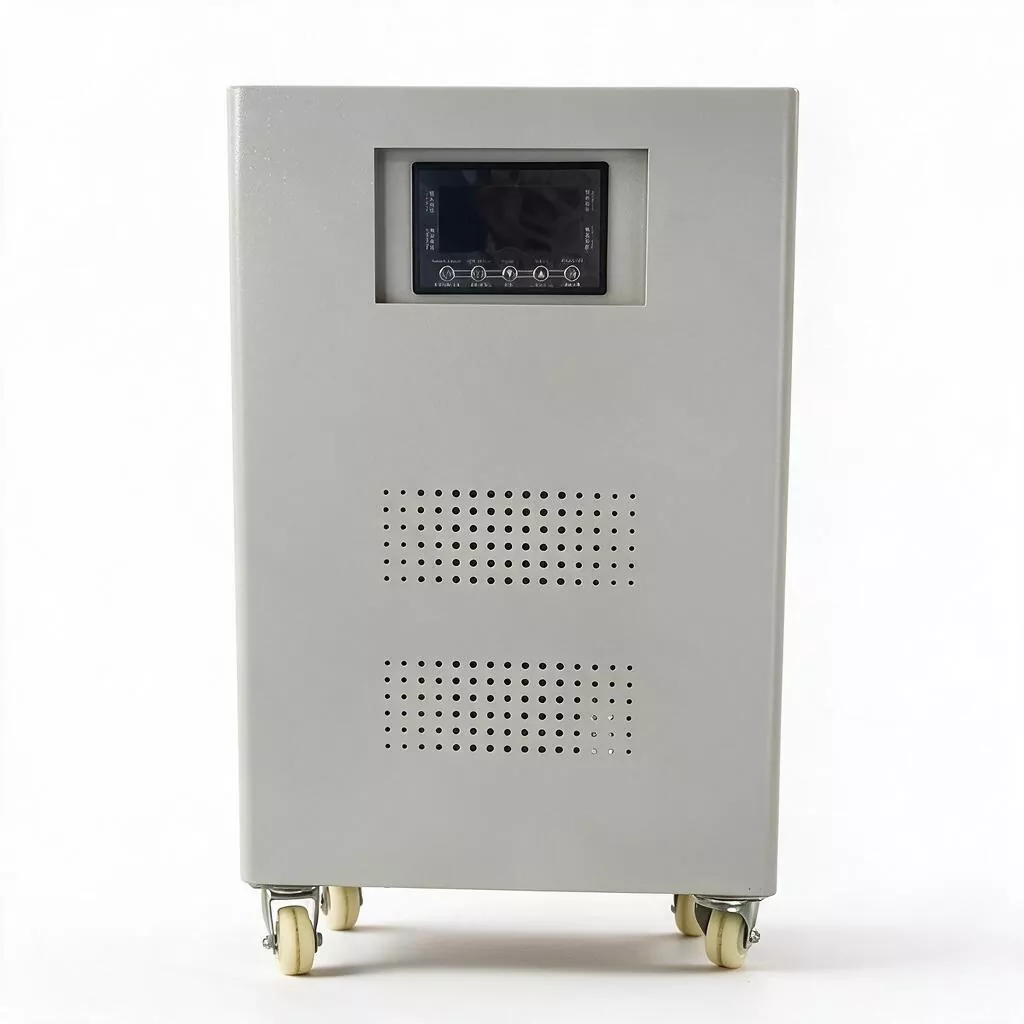
Model: SVC-10KVA
Technology: Servo motor type with MCU control
Phase: Single phase
Input Voltage: 140-260V
Output Precision: ±3%
Certification: CE (available)
Lead Time: 10-15 days
A servo motor type automatic voltage regulator (AVR), also known as a servo voltage stabilizer, is a high-precision voltage stabilization device that uses a servo motor-driven carbon brush moving along an autotransformer to continuously adjust and maintain a stable output voltage. Unlike relay type AVRs that switch between fixed transformer taps, servo motor AVRs provide smooth, stepless voltage correction with significantly higher precision, typically within ±1% to ±3% of the set output voltage.
The operating principle is straightforward yet sophisticated: an automatic sampling control circuit continuously monitors the input voltage. When the grid voltage fluctuates or the load varies, the control circuit sends signals to drive the servo motor, which adjusts the position of the carbon brush on the autotransformer. This mechanical adjustment changes the transformer ratio in real-time, compensating for voltage deviations and delivering a stable output. Because the adjustment is continuous rather than step-based, servo motor AVRs produce no waveform distortion and introduce no incremental harmonics.
1. Single-Phase vs. Three-Phase – Single-phase SVC Series (10-50KVA) is designed for residential, commercial, and light industrial applications. Three-phase SBW Series (10-150KVA) features separate regulation of each phase, automatically balancing three-phase output—critical for industrial machinery, production lines, and telecommunications systems.
2. Power Capacity – Calculate your total load with a 20-30% safety margin. SVC Series covers 10-50KVA; SBW Series extends to 150KVA.
3. Input Voltage Range – Standard models accept 380V/400V/415V ±20% (three-phase). Wider ranges available upon request.
4. Output Precision – Servo motor technology delivers ±1% to ±3% regulation accuracy, significantly tighter than relay type AVRs (±8%).
Unlike relay type AVRs that step between discrete voltage levels, servo motor AVRs provide continuous, stepless voltage correction. This delivers output precision of ±1% to ±3%—essential for sensitive equipment like medical devices, CNC machines, and industrial robots where even minor voltage deviations can cause malfunctions or production defects.
Because voltage correction is achieved through transformer tap adjustment rather than electronic switching, servo motor AVRs produce no waveform distortion and introduce no incremental harmonics. The output waveform remains a pure sine wave, making these units ideal for powering sensitive electronic equipment, audio-visual systems, and precision instruments where power quality is paramount.
Servo motor AVRs achieve efficiency ratings of 96% to 98%. The direct AC-AC conversion minimizes energy losses, and the use of high-efficiency toroidal transformers further reduces power consumption. Over the lifetime of the equipment, this translates into significant energy cost savings.
With response times of less than 1 second for a 10% input voltage change, servo motor AVRs can rapidly correct sudden voltage sags or surges. This rapid cycle-by-cycle correction protects connected equipment from both gradual voltage drift and sudden transients.
The SBW Series features independent regulation of each phase. Unlike AVRs that regulate all three phases together, SBW units monitor and adjust each phase separately, automatically balancing three-phase output even when single-phase loads are unevenly distributed. This is critical for industrial applications where phase imbalance can cause motor overheating, reduced efficiency, and equipment failure.
Both SVC and SBW Series incorporate full protection features: over-voltage protection, under-voltage protection, overload protection, short-circuit protection, and over-temperature protection. Dielectric strength of AC 2000V/1min ensures safety.
The SVC and SBW Series represent mature, well-proven designs with excellent competitive advantage in cost. By using toroidal transformers as the main voltage regulation device, these AVRs achieve optimal magnetic performance with no leakage magnetic flux.
SVC Series – Single Phase (10-50KVA): Traditional servo motor voltage regulator for civil applications. Ideal for elevators, air conditioners, heaters, electrical stoves, large freezers, and whole-house voltage management. Available in 10KVA, 15KVA, 20KVA, 30KVA, 40KVA, and 50KVA.
SBW Series – Three Phase (10-150KVA): Industrial-grade three-phase servo motor AVR with separate phase regulation. Ideal for production lines, elevators, automation equipment, laser equipment, industrial robots, medical equipment, and telecommunications systems. Available in 10KVA, 15KVA, 20KVA, 30KVA, 50KVA, 60KVA, 80KVA, 100KVA, 120KVA, and 150KVA.
Industrial Manufacturing: Protect production lines, CNC machines, industrial robots, and automation equipment from voltage fluctuations that cause production defects or downtime.
Medical Facilities: Ensure medical imaging equipment, diagnostic devices, and life-support systems receive stable power.
Commercial Buildings: Safeguard elevators, HVAC systems, lighting, and security systems.
Telecommunications: Protect基站 equipment, switching systems, and data centers.
Residential and Civil: Whole-house voltage management for large homes with air conditioning, heating, and multiple appliances.
With over 20 years of continuous power supply manufacturing since 2004, KTAC delivers quality and reliability through 3 factories with 8,000+ m² production floor, 100+ professional staff, and exports to 30+ countries. We support OEM/ODM services including custom enclosure color, logo printing, packaging design, and parameter customization.
A: Servo motor AVRs use a motor-driven carbon brush for continuous, stepless voltage adjustment with ±1% precision, no waveform distortion, and higher cost. Relay type AVRs switch between fixed transformer taps with ±8% precision, faster response, and lower cost. Choose servo motor for sensitive equipment and high precision requirements; choose relay type for general home appliance protection.
A: With proper maintenance, servo motor AVRs can last 10-15 years or more. The carbon brush is a wear component that may need replacement every 3-5 years depending on usage frequency and voltage fluctuation severity.
A: Yes. The SBW Series features separate regulation of each phase, automatically balancing three-phase output even when single-phase loads are unevenly distributed.
A: Both SVC and SBW Series achieve 96% to 98% efficiency, significantly reducing energy costs compared to less efficient voltage regulation methods.