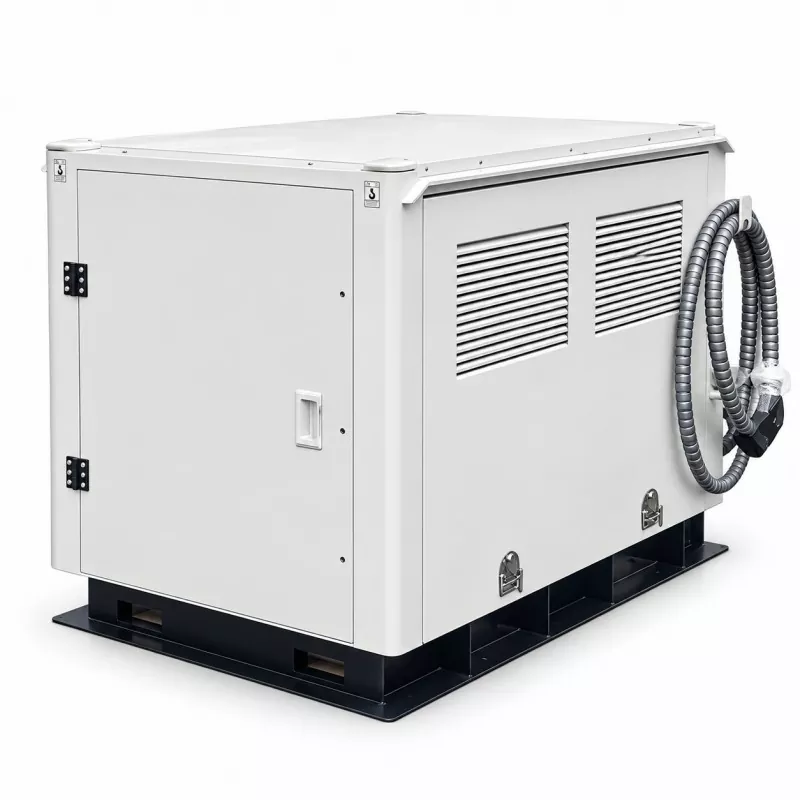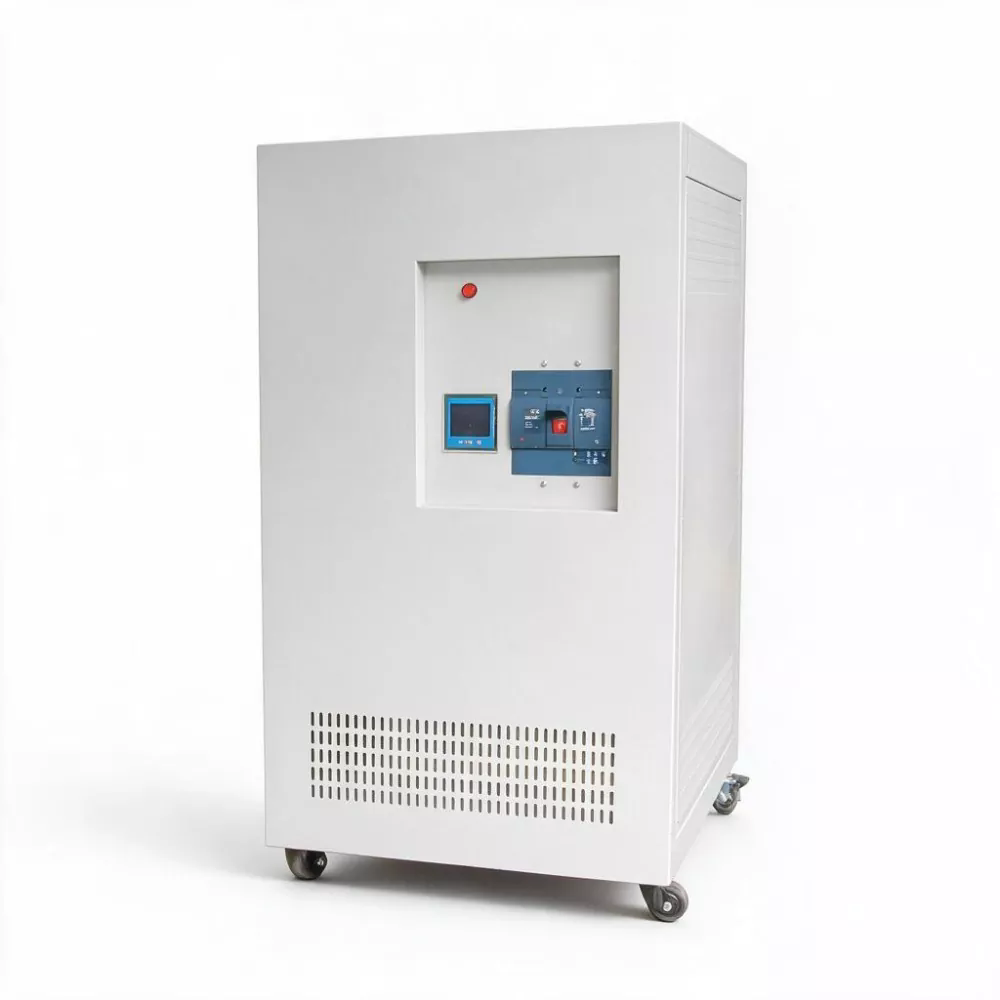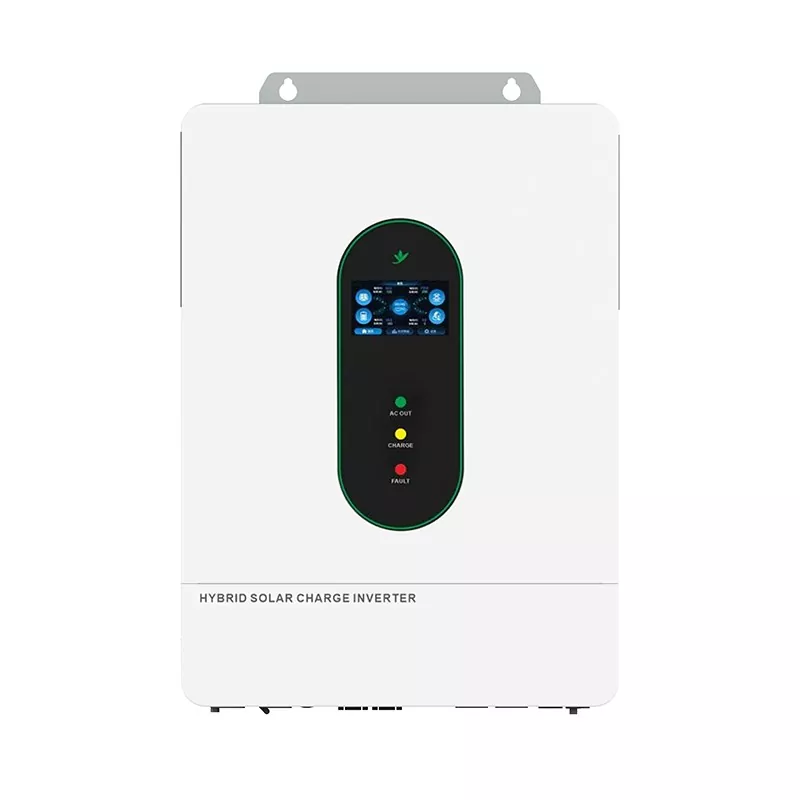


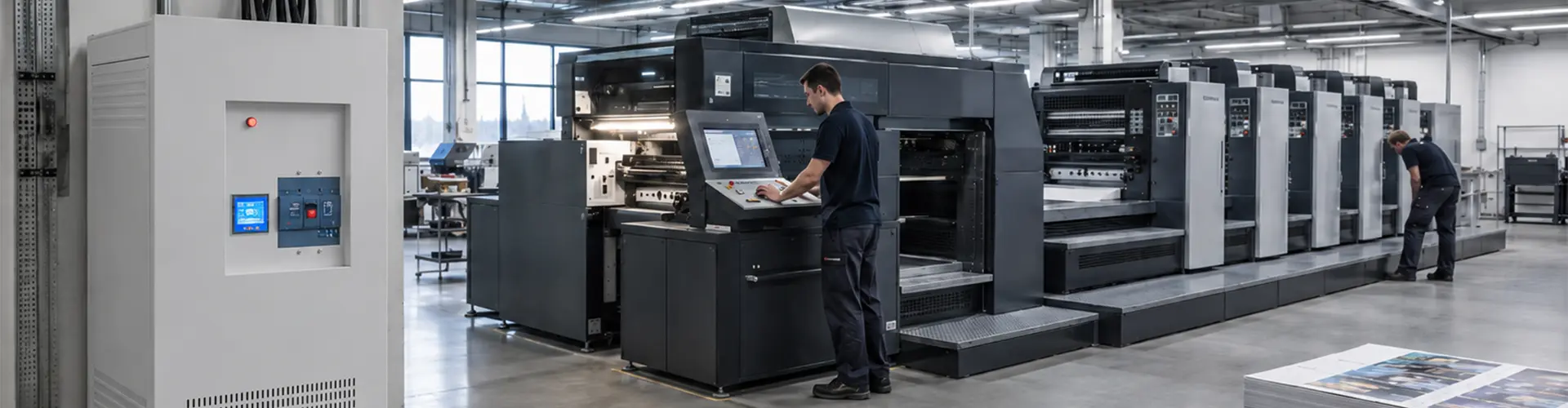
Article Summary: This blog explains what a 12KW 48V split phase 120V 240V hybrid PV inverter is, why it is a smart choice for whole-home and commercial backup power, how to size and install it, which configurations and batteries work best, and when it makes economic sense. It also introduces KTAC as a trusted supplier of the 12KW 48V Split Phase 120V 240V Hybrid PV Inverter and answers common buyer questions.
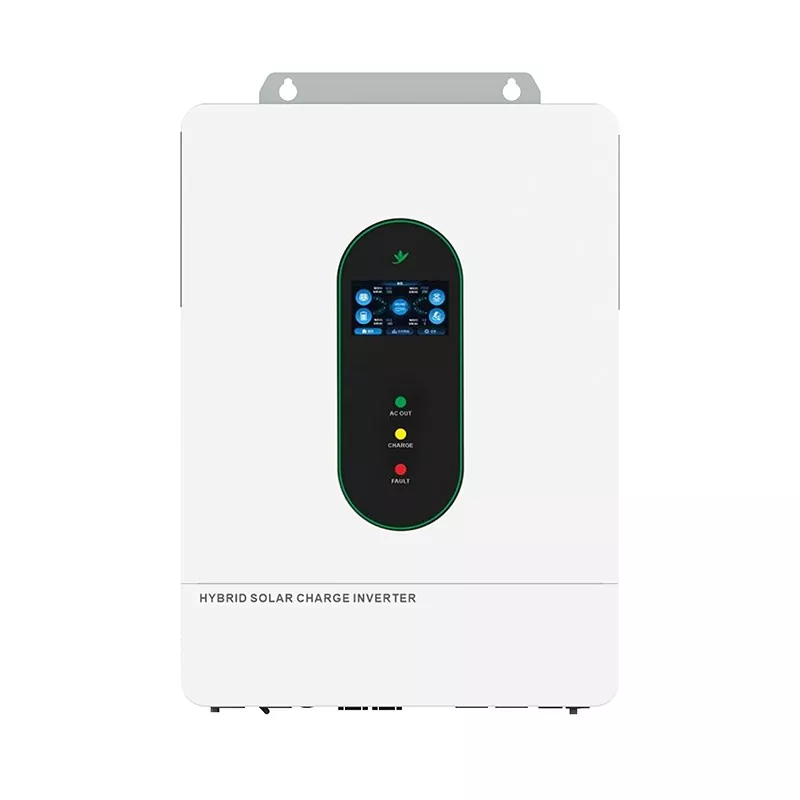
Table of Contents
- What Is a 12KW 48V Split Phase 120V 240V Hybrid PV Inverter?
- Why Choose This Inverter for Your Home or Business?
- How Does a 12KW 48V Split Phase Hybrid Inverter Work?
- Which Configuration and Battery Bank Should You Choose?
- When Should You Choose This Inverter?
- Key Specifications at a Glance
- Installation and Sizing Tips
- FAQ
- Contact KTAC for Your Custom Solution
What Is a 12KW 48V Split Phase 120V 240V Hybrid PV Inverter?
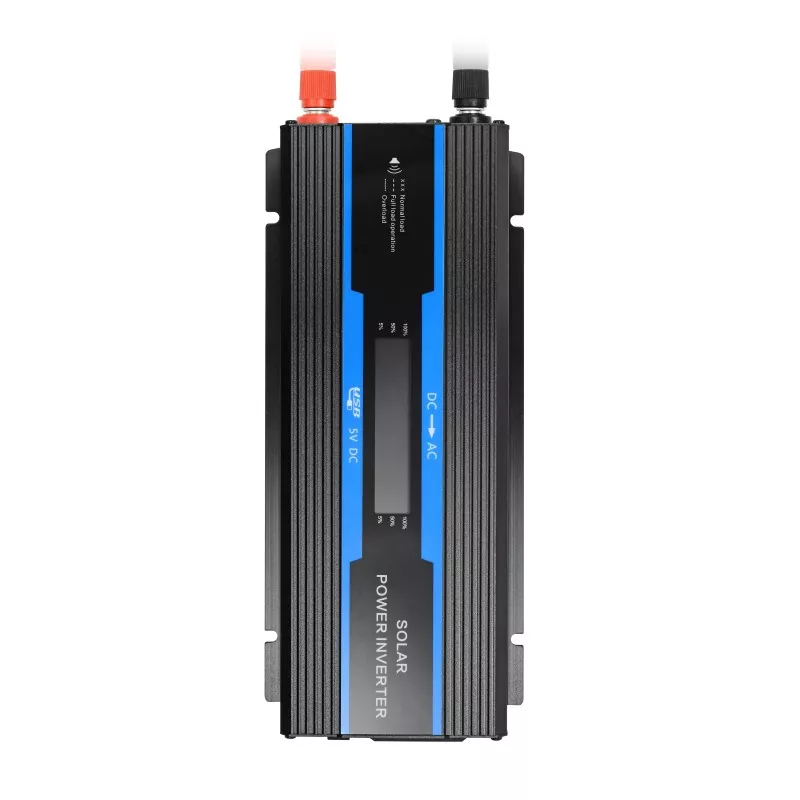
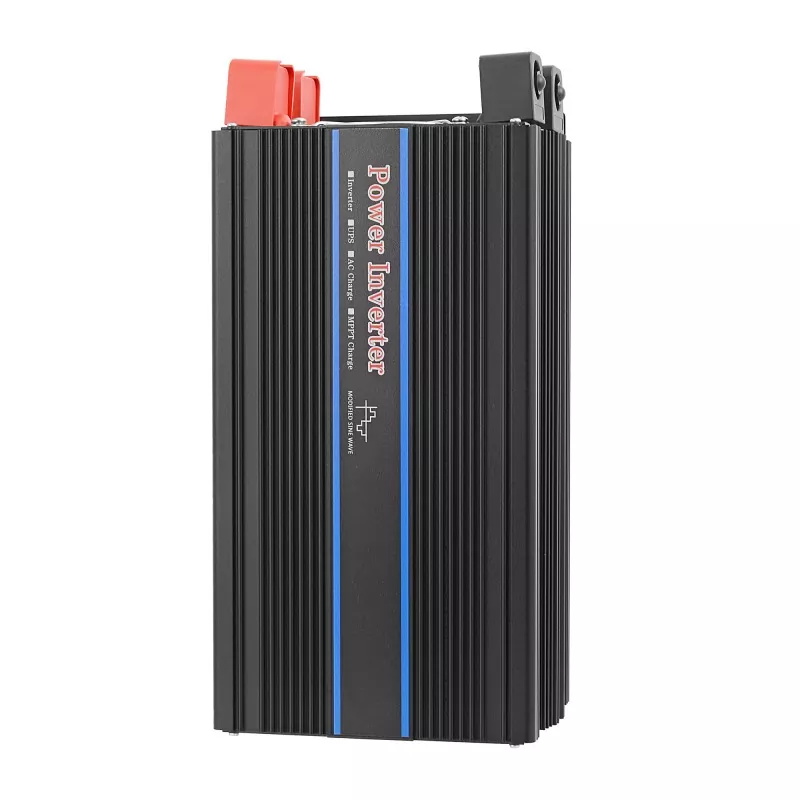
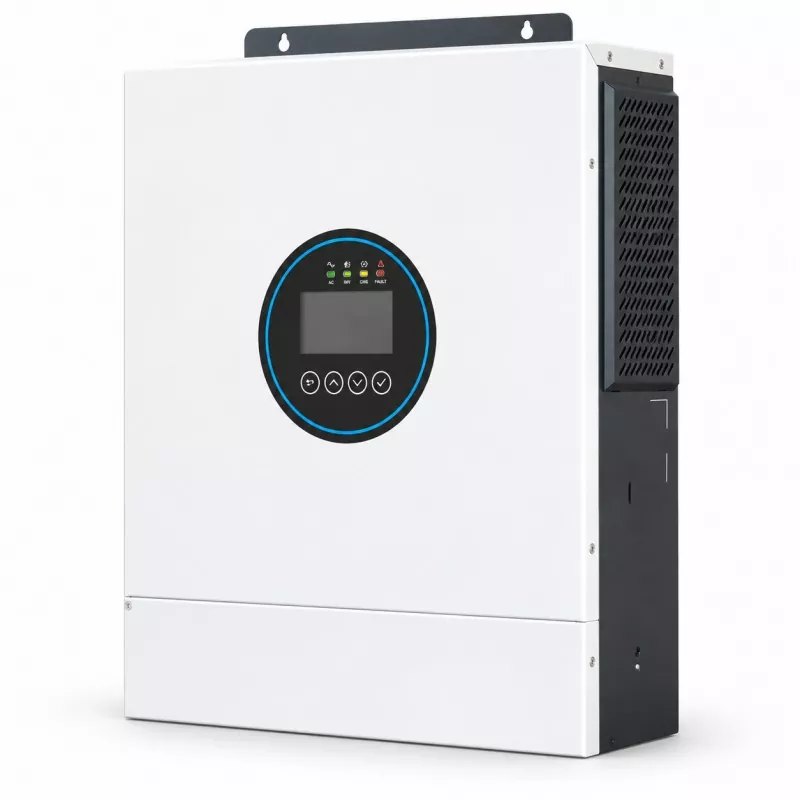
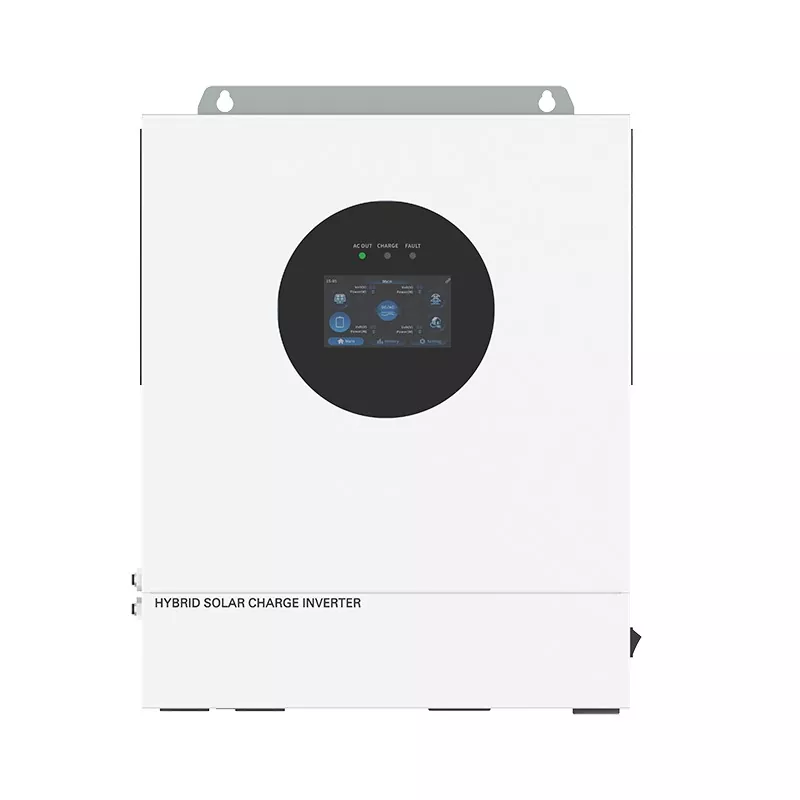
A 12KW 48V split phase 120V 240V hybrid PV inverter is an all-in-one power conversion unit that combines a solar charge controller, a 48V battery charger, and a split-phase inverter in a single chassis. It takes DC power from a 48V battery bank and PV arrays, converts it into both 120V and 240V AC output, and intelligently manages grid input, generator input, and backup loads. The split-phase design means it can supply standard 120V circuits and high-power 240V appliances such as well pumps, dryers, and EV chargers at the same time.
KTAC designs and manufactures this class of hybrid inverter for residential, off-grid, and light commercial applications. The 12KW 48V Split Phase 120V 240V Hybrid PV Inverter from KTAC is built for reliable whole-home backup, solar self-consumption, and grid-interactive energy management.
Why Choose This Inverter for Your Home or Business?
There are several compelling reasons to choose a 12KW 48V split phase hybrid inverter:
- Whole-home backup capability: 12KW continuous output can run multiple large loads simultaneously.
- Dual voltage output: Native 120V/240V split phase output eliminates the need for an external transformer.
- High PV input: Supports large solar arrays for faster battery charging and greater self-consumption.
- 48V battery compatibility: Works with lithium, gel, AGM, and lead-acid battery banks.
- Grid-interactive and off-grid modes: Flexible operation for net metering, time-of-use shifting, and remote locations.
- Scalable design: Parallel capability allows expansion as energy needs grow.
- Lower installation cost: Integrated charge controller and transfer switch reduce balance-of-system components.
How Does a 12KW 48V Split Phase Hybrid Inverter Work?
The inverter operates in three main stages:
- DC input stage: PV strings and the 48V battery bank feed DC power into the unit. The built-in MPPT charge controller tracks the maximum power point of the solar array.
- Conversion stage: A high-frequency transformer and inverter bridge convert DC into split-phase AC. The output is synchronized with the grid or generator when present.
- Management stage: A digital signal processor manages load prioritization, battery charging, grid feed-in, and protective functions such as anti-islanding and surge protection.
The result is seamless switching between solar, battery, grid, and generator sources, with minimal transfer time for critical loads.
Which Configuration and Battery Bank Should You Choose?
The right configuration depends on your load profile, backup duration, and budget. The table below summarizes common setups:
| Application | Recommended Battery Bank | PV Array Size | Backup Duration |
|---|---|---|---|
| Essential loads only | 48V 100Ah lithium (5.1 kWh) | 3–4 kW | 4–6 hours |
| Whole-home backup | 48V 200–300Ah lithium (10–15 kWh) | 6–8 kW | 8–12 hours |
| Off-grid cabin | 48V 400Ah lead-acid (19.2 kWh) | 4–6 kW | 1–2 days |
| Light commercial | 48V 400–600Ah lithium (20–30 kWh) | 10–12 kW | 6–10 hours |
For lithium batteries, confirm that the inverter's charge profile is compatible with your BMS communication protocol. For lead-acid banks, ensure adequate ventilation and temperature compensation.
When Should You Choose This Inverter?
Choose a 12KW 48V split phase hybrid inverter when:
- You need both 120V and 240V backup power from a single unit.
- Your home has high simultaneous loads, such as a well pump, HVAC, and electric range.
- You want to maximize solar self-consumption and reduce utility bills.
- You live in an area with frequent outages or unreliable grid service.
- You are building an off-grid property that requires split-phase power.
- You plan to expand your system with additional batteries or parallel inverters.
Key Specifications at a Glance
| Parameter | Typical Value |
|---|---|
| Rated Output Power | 12,000 W continuous |
| Battery Input Voltage | 48V DC nominal |
| AC Output | 120V/240V split phase, 50/60 Hz |
| Max PV Input Power | 12–15 kW (model dependent) |
| MPPT Charge Controller | Built-in, dual MPPT optional |
| Efficiency | Up to 94–96% |
| Transfer Time | <10 ms for critical loads |
| Protection | Overload, over-temperature, short circuit, anti-islanding |
Installation and Sizing Tips
- Calculate continuous and surge loads: Add up running watts and account for motor startup surges, which can be 2–3 times running watts.
- Size the battery bank for autonomy: Decide how many hours or days of backup you need, then match battery capacity accordingly.
- Match PV array to charge controller limits: Do not exceed the maximum PV input voltage and current ratings.
- Use a licensed installer: Split-phase wiring and grid interconnection require qualified electrical work and local permits.
- Plan for ventilation: Keep clearance around the inverter and avoid direct sunlight.
- Consider future expansion: Choose a model with parallel capability and adequate battery capacity headroom.
FAQ
Q1: Can a 12KW 48V split phase inverter run a 240V well pump and 120V household circuits at the same time?
Yes. The split-phase output provides both 120V and 240V simultaneously, so it can power a 240V well pump along with standard 120V lighting, outlets, and appliances, provided the total load stays within the inverter's continuous rating.
Q2: Does this inverter support parallel operation for higher capacity?
Many 12KW 48V split phase hybrid models support parallel connection, allowing two or more units to increase output power and battery capacity. Confirm the specific parallel capability with KTAC before purchasing.
Q3: Which battery chemistry works best with this inverter?
The inverter typically supports lithium iron phosphate (LiFePO4), gel, AGM, and flooded lead-acid batteries. Lithium batteries offer longer cycle life and higher usable capacity, while lead-acid options may have a lower upfront cost.
Q4: Can the inverter feed excess solar power back to the grid?
Yes, grid-interactive models can export surplus solar energy to the grid when net metering or feed-in tariff programs are available. Off-grid models operate without grid export.
Q5: What is the typical lead time and warranty for KTAC inverters?
Lead times and warranty terms vary by model and order volume. Contact KTAC directly for current production schedules, certification documents, and warranty details.
Q6: Is a 48V battery bank safe for residential installation?
Yes, 48V DC is a common and manageable voltage for residential energy storage when installed according to code, with proper fusing, disconnects, and ventilation.
Contact KTAC for Your Custom Solution
Whether you are designing a whole-home backup system, an off-grid property, or a light commercial solar installation, the KTAC team can help you select and configure the right 12KW 48V split phase 120V 240V hybrid PV inverter for your project. We provide technical support, system sizing guidance, and flexible OEM/ODM options to match your market requirements. Contact us today to discuss your power needs, request a quotation, or receive a tailored energy storage solution from our engineering team.