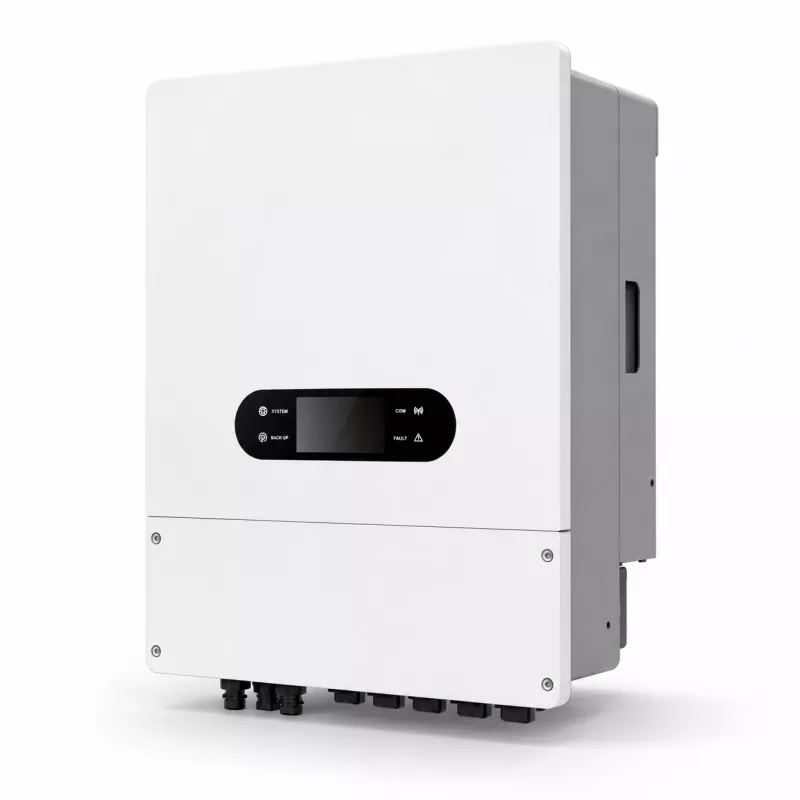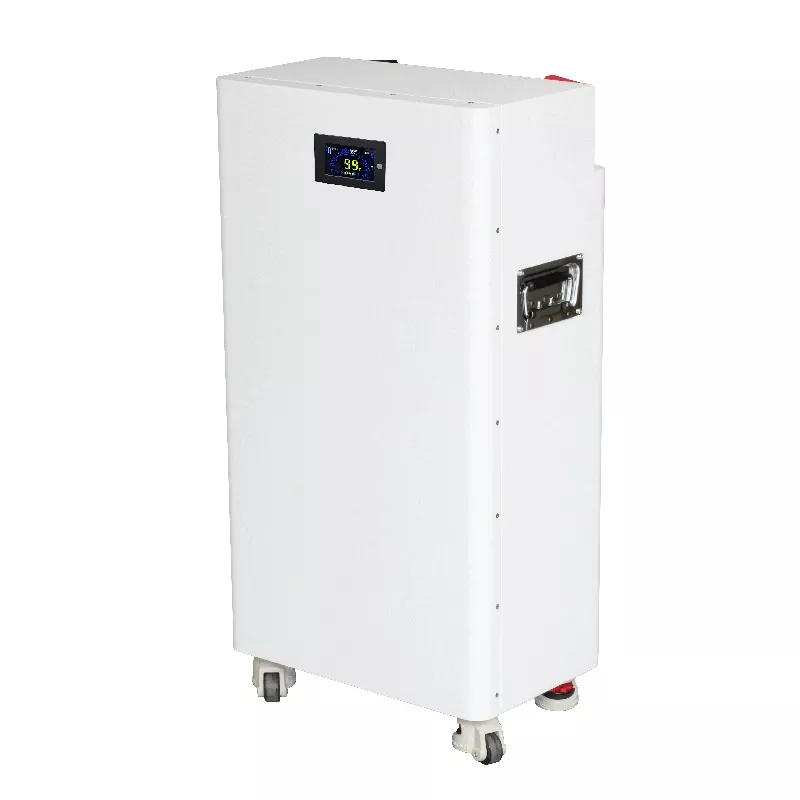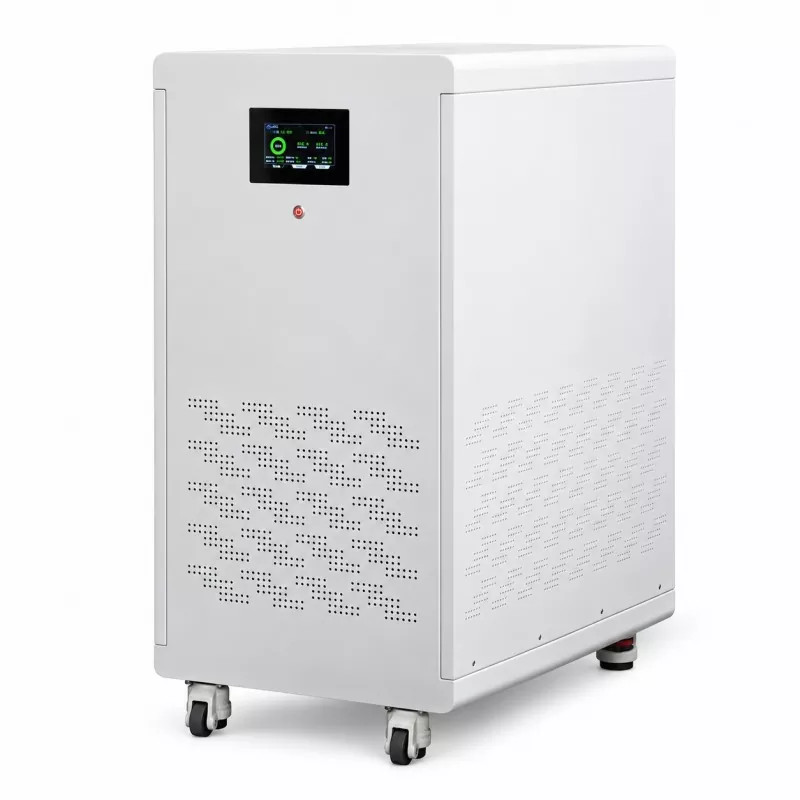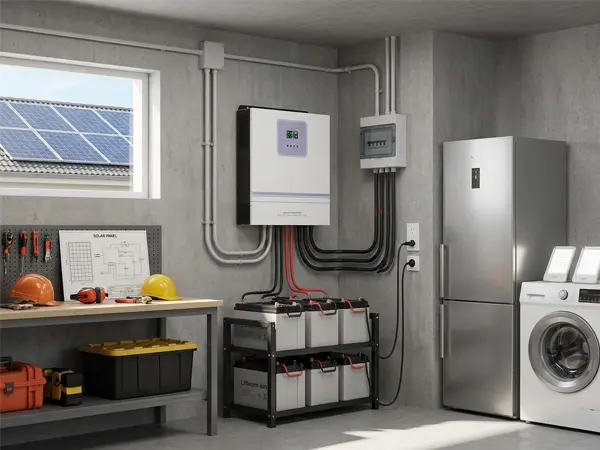
As demand for reliable, efficient, and sustainable energy storage continues to grow, choosing the right battery technology has become essential for residential and commercial power applications. KTAC, a professional energy storage battery manufacturer and supplier, offers the 51.2V 100Ah LiFePO4 Battery Pack, designed to deliver dependable power, long cycle life, flexible installation, and convenient system expansion. Featuring Grade-A lithium iron phosphate cells, an intelligent Battery Management System (BMS), and a compact wall-mounted structure, this battery provides a practical energy storage solution for solar PV systems, home backup power, RVs, and small off-grid installations.
The 51.2V 100Ah LiFePO4 Battery Pack is a high-performance energy storage solution with a nominal capacity of 100Ah and a total rated energy of 5.12kWh. Its lightweight 43kg design, slim dimensions, intelligent BMS, and support for parallel connection make it suitable for applications where installation flexibility and long-term reliability are important. With a cycle life of at least 6,000 cycles under specified testing conditions and a designed service life of 10–15 years, this battery offers an attractive option for homeowners, solar installers, system integrators, and OEM buyers seeking scalable lithium battery technology.
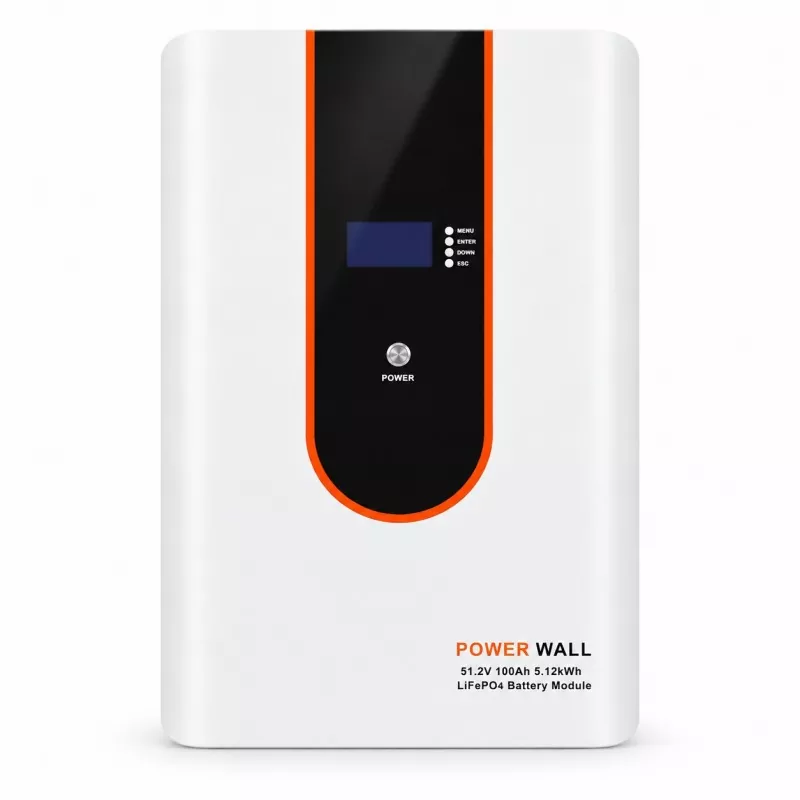
A 51.2V 100Ah LiFePO4 Battery Pack is a rechargeable lithium iron phosphate energy storage unit designed to store electrical energy and supply it when needed. Its nominal voltage is 51.2V, while its rated capacity reaches 100Ah, providing a total nominal energy capacity of 5.12kWh.
Unlike conventional lead-acid batteries, lithium iron phosphate batteries use a stable cathode chemistry that offers several important advantages, including good thermal stability, long cycle life, and reliable charge-discharge performance. These characteristics make LiFePO4 technology particularly attractive for solar energy storage and backup power systems.
KTAC's LFP51.2V-100AH model is developed with practical installation and system integration in mind. It features Grade-A LiFePO4 cells, a built-in intelligent BMS, and a wall-mounted structure. Its relatively slim profile helps reduce installation space requirements in homes, apartments, RVs, and compact energy storage rooms.
For users who want to build a flexible solar power system, the battery provides a combination of storage capacity, safety-oriented management, and expansion possibilities.
Learn more about the KTAC 51.2V 100Ah LiFePO4 Battery Pack to explore its product details and configuration options.
Technical specifications are among the most important factors when selecting a lithium battery. Voltage, capacity, charging current, discharge current, communication interfaces, and operating temperature all influence whether a battery can work efficiently with a particular inverter and electrical system.
The following table summarizes the main specifications of KTAC's LFP51.2V-100AH battery model.
| Technical Parameter | Specification |
|---|---|
| Product Model | LFP51.2V-100AH |
| Battery Chemistry | LiFePO4 (Lithium Iron Phosphate) |
| Nominal Voltage | 51.2V |
| Nominal Capacity | 100Ah |
| Nominal Energy | 5.12kWh |
| Operating Voltage Range | 43.2V–57.6V |
| Recommended Charging Voltage | 57.6V |
| Recommended Charge/Discharge Current | 50A |
| Maximum Discharge Current | 100A |
| Communication Protocols | RS485, CAN, Wi-Fi |
| Cycle Life | ≥6,000 cycles |
| Net Weight | 43kg |
| Dimensions (W × H × D) | 374 × 650 × 143mm |
| Charging Temperature | 0°C to 65°C |
| Discharging Temperature | -20°C to 65°C |
| Protection Rating | IP30 |
| Maximum Parallel Connection | 15 Units |
| Installation Method | Wall-Mounted |
| Designed Service Life | 10–15 Years |
| Certifications | IEC62619, UN38.3, CE, CEC |
Important performance note: The specified cycle life of at least 6,000 cycles is based on testing conditions of 25°C, 90% depth of discharge (DOD), and a 0.2C discharge rate. Actual battery performance and service life depend on operating conditions, charging practices, temperature, and system configuration.
These specifications make the battery a practical option for compact energy storage installations that require a balance between storage capacity, installation convenience, and expansion flexibility.
Battery performance is not determined by capacity alone. Installation requirements, operating efficiency, service life, and system compatibility also influence the overall value of an energy storage investment. KTAC's 51.2V 100Ah LiFePO4 Battery Pack offers several advantages for modern energy storage applications.
Traditional energy storage batteries can be heavy and difficult to install, particularly in residential environments where available space is limited. This model weighs approximately 43kg and measures 374 × 650 × 143mm.
Its slim wall-mounted design helps users make better use of available indoor space. Compared with bulky battery installations, this configuration can simplify transportation, positioning, and installation planning.
Key benefits include:
One of the strongest advantages of LiFePO4 technology is its long cycle life. KTAC specifies at least 6,000 cycles under defined laboratory conditions, making this battery suitable for applications involving regular charging and discharging.
A longer cycle life can reduce the frequency of battery replacement and improve the long-term economics of an energy storage system. For homeowners and businesses that rely on daily solar energy storage, this characteristic can be particularly valuable.
Energy consumption rarely remains constant throughout the lifetime of a solar installation. A household may add new appliances, install additional solar panels, or increase its backup power requirements.
KTAC's battery supports parallel connection of up to 15 units of the same model. Based on the nominal capacity of 5.12kWh per unit, the theoretical combined nominal energy capacity can reach 76.8kWh.
This modular configuration allows users to start with a smaller battery installation and expand the storage system as their energy requirements increase, subject to inverter compatibility and system design limitations.
Modern energy storage systems require communication between batteries, inverters, and monitoring equipment. The battery supports RS485, CAN, and Wi-Fi communication interfaces, helping facilitate system integration and operational monitoring.
These interfaces can provide useful battery operating information and support communication with compatible equipment. However, users should confirm protocol compatibility, communication settings, and supported inverter models before installation.
The Battery Management System is an essential component of a modern lithium battery. It monitors operating conditions and helps keep the battery within its specified electrical and thermal limits.
KTAC equips this 51.2V 100Ah LiFePO4 Battery Pack with an intelligent BMS designed to improve battery management, operational reliability, and protection.
A well-designed BMS helps protect battery cells against operating conditions that may negatively affect performance or service life. Depending on the configured protection parameters, the system monitors important electrical and temperature conditions.
Important protection considerations include:
When a battery connects to an inverter or another device with capacitive input components, an initial current surge may occur. KTAC's intelligent BMS incorporates a pre-charge function to help reduce this impact and protect connected downstream equipment.
Individual battery cells may gradually develop differences in voltage and state of charge during repeated operation. Cell balancing helps maintain more consistent cell conditions and supports the effective use of the battery's overall capacity.
By combining cell management, protection functions, and communication capabilities, the intelligent BMS contributes to a more dependable energy storage solution.
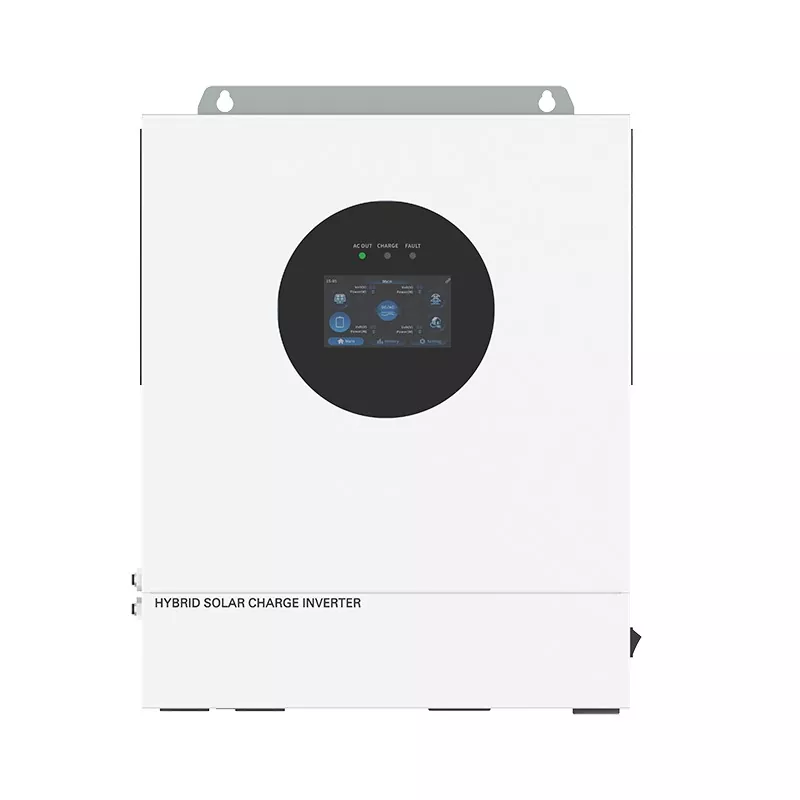
For additional system planning, users can also explore KTAC's home energy storage battery solutions and compatible hybrid solar inverters.
With a nominal energy capacity of 5.12kWh, a compact structure, and flexible parallel expansion, this battery can support several residential and small-scale commercial energy storage applications.
For apartment owners and homeowners with limited installation space, the battery can store electricity generated by compatible solar PV systems. Stored energy can then be used during evening hours or periods when solar generation is insufficient.
This arrangement can improve the utilization of self-generated solar electricity and help reduce dependence on grid power, depending on local electricity tariffs and system design.
Power interruptions can affect essential household activities. A properly configured battery and inverter system can provide backup electricity for selected household loads.
Typical applications include:
The actual backup duration depends on appliance power consumption, inverter efficiency, usable battery capacity, and the number of connected loads.
Off-grid users often need an energy storage solution that combines reliable performance with manageable installation dimensions. The 51.2V 100Ah LiFePO4 Battery Pack can be considered for RVs, mobile homes, and remote cabins equipped with compatible electrical systems.
Before installation in a vehicle or mobile environment, buyers should verify mounting strength, vibration protection, ventilation, electrical safety, and inverter compatibility.
Small businesses, independent workshops, and DIY solar enthusiasts may require a battery system that can be expanded as electricity consumption changes. The modular parallel configuration provides additional flexibility for projects that begin with modest storage requirements.
Even a high-quality battery needs proper system planning to achieve reliable performance. Before installing a 51.2V 100Ah LiFePO4 Battery Pack, users should evaluate the following factors.
The battery's nominal voltage, operating voltage range, charging parameters, and communication protocols must match the connected inverter. Check whether the inverter supports the battery's CAN or RS485 communication settings, and confirm the correct battery profile before commissioning.
A 5.12kWh nominal capacity does not mean that every application can continuously use the entire rated energy. The usable capacity depends on the battery's operating limits and the system's configured depth of discharge.
A simple preliminary calculation is:
Estimated Backup Time (hours) = Usable Battery Energy (Wh) ÷ Total Load Power (W)
For example, if the available battery energy is 4,608Wh and the connected appliances consume 600W, the estimated operating time is approximately 7.68 hours before considering inverter losses and other system factors.
The battery has an IP30 protection rating and is intended for indoor installation. Therefore, it should be installed in a suitable dry environment rather than exposed directly to rain, water, or outdoor weather conditions.
Recommended installation considerations include:
KTAC specifies a charging temperature range of 0°C to 65°C and a discharging temperature range of -20°C to 65°C. The battery may apply power derating under certain extreme temperature conditions.
Users should follow the manufacturer's operating instructions and avoid charging or discharging outside the permitted limits. Proper temperature management is essential for maintaining stable performance and extending battery service life.
Choosing a battery supplier involves more than comparing nominal capacity and purchase prices. Buyers should evaluate manufacturing quality, technical support, certification documentation, customization capabilities, and after-sales service.
When comparing different 51.2V 100Ah LiFePO4 battery suppliers, consider the following factors:
KTAC provides battery customization services for different customer requirements, including product appearance, packaging, and system parameters. Its LFP51.2V-100AH model combines Grade-A battery cells, intelligent BMS technology, and internationally recognized certifications.
For distributors, solar installation companies, and OEM/ODM buyers, working directly with an experienced manufacturer can simplify product selection and improve communication throughout the procurement process.
A 51.2V 100Ah battery provides a nominal energy capacity of 5.12kWh. This value is calculated by multiplying the nominal voltage by the rated capacity. The actual usable energy depends on the battery's discharge limits, operating conditions, and inverter efficiency.
KTAC specifies a cycle life of at least 6,000 cycles under conditions of 25°C, 90% depth of discharge, and a 0.2C discharge rate. The designed service life is 10–15 years. Actual longevity depends on usage frequency, temperature, charging practices, and maintenance conditions.
Yes. KTAC's battery supports parallel connection of up to 15 units of the same model. Each battery provides 5.12kWh of nominal energy, giving a theoretical combined capacity of 76.8kWh with 15 units. Proper system configuration, compatible equipment, and manufacturer-approved connection procedures are essential.
Yes. Its 5.12kWh nominal capacity, wall-mounted design, and communication interfaces make it suitable for compatible residential solar storage systems. It can store excess solar electricity for later use, including during evening hours and grid interruptions.
The battery is designed for integration with compatible 48V-class inverter systems. However, buyers should check the inverter's supported voltage range, charging settings, maximum current, and CAN or RS485 communication protocols before purchasing. Compatibility should be confirmed with both equipment manufacturers.
The product has an IP30 protection rating and is designed for indoor installation. It should be placed in a dry, appropriately ventilated environment and protected from rain, water, and excessive moisture. Outdoor use requires a suitable protective installation arrangement approved by the manufacturer.
According to the product specifications, the battery has IEC62619, UN38.3, CE, and CEC certifications. Buyers should request the relevant certification documents and confirm their applicability to the intended market and installation requirements.
Yes. KTAC offers customization services covering product appearance, packaging, and system parameters. Customers can discuss their project requirements, application scenarios, and technical specifications with the company to identify a suitable configuration.
The 51.2V 100Ah LiFePO4 Battery Pack offers a practical combination of energy storage capacity, long cycle life, intelligent battery management, and flexible installation. With 5.12kWh of nominal energy, a lightweight 43kg structure, a slim wall-mounted design, and support for up to 15 parallel-connected units, it can meet the requirements of various residential, mobile, and small-scale commercial energy storage projects.
For homeowners seeking dependable solar backup, installers developing compact PV systems, and distributors sourcing lithium battery products, KTAC provides a solution that balances performance, scalability, and installation convenience. Its customization services and product certifications further support different project and procurement requirements.
If you are looking for a reliable lithium battery manufacturer for your next solar energy storage project, explore KTAC's 51.2V 100Ah LiFePO4 Battery Pack today. Contact KTAC to discuss your technical requirements, request detailed product specifications, and obtain a customized quotation. Feel free to contact us to discover how KTAC can support your residential, commercial, or OEM energy storage business with professional battery solutions.