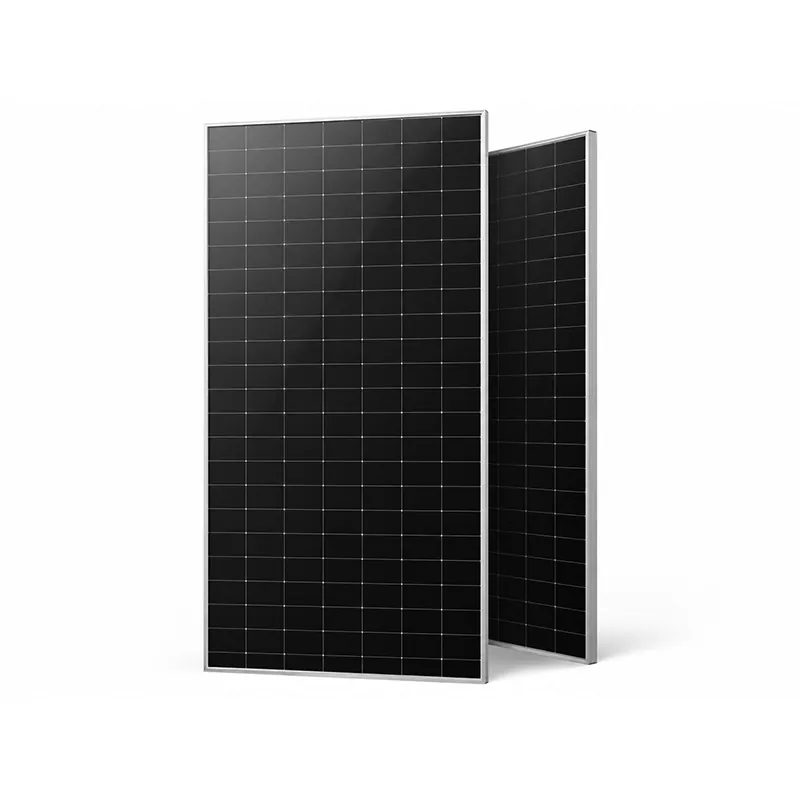
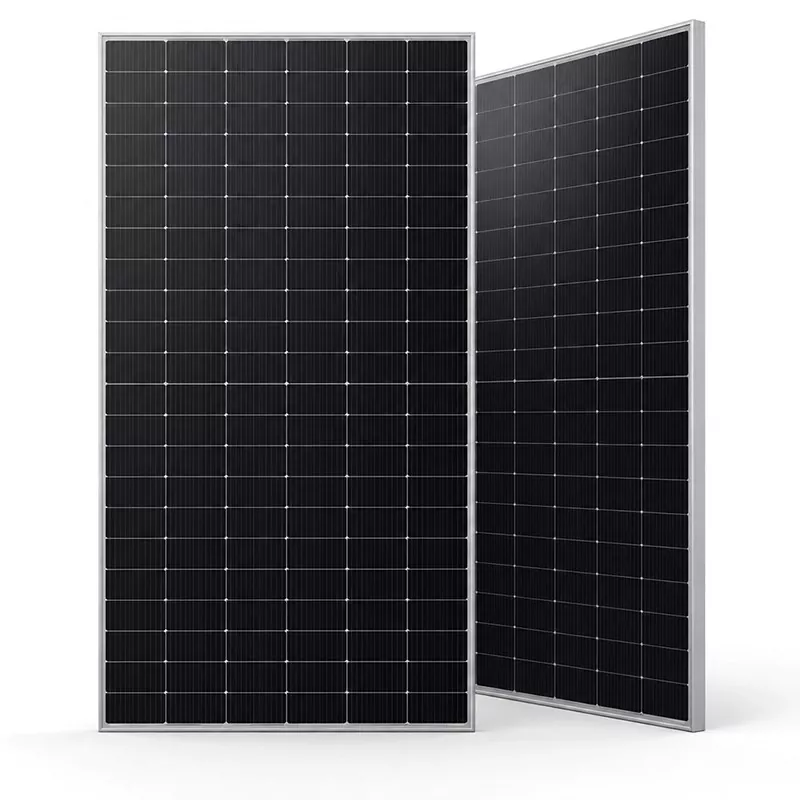
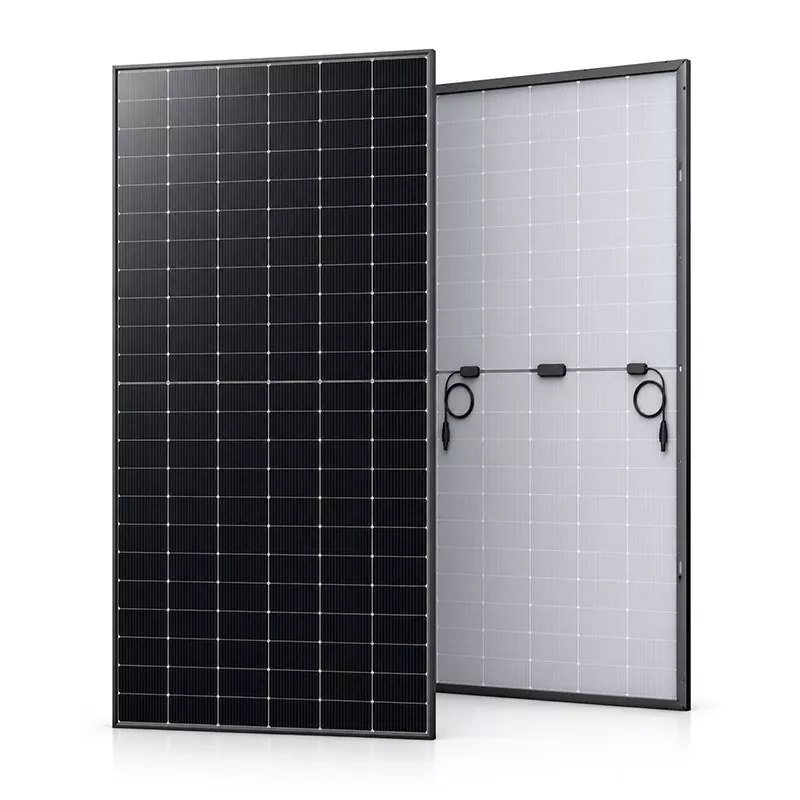
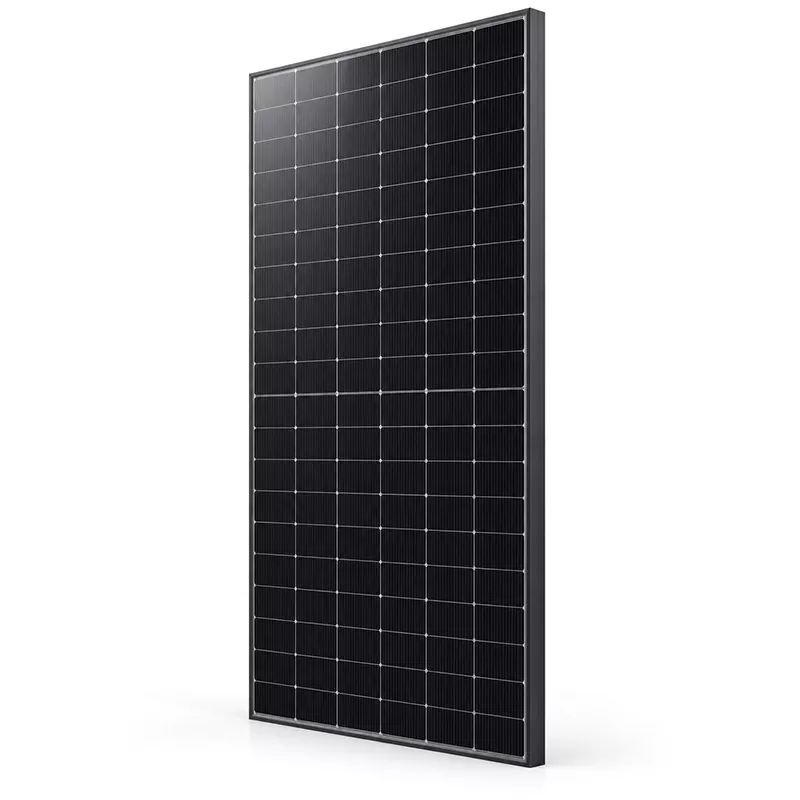
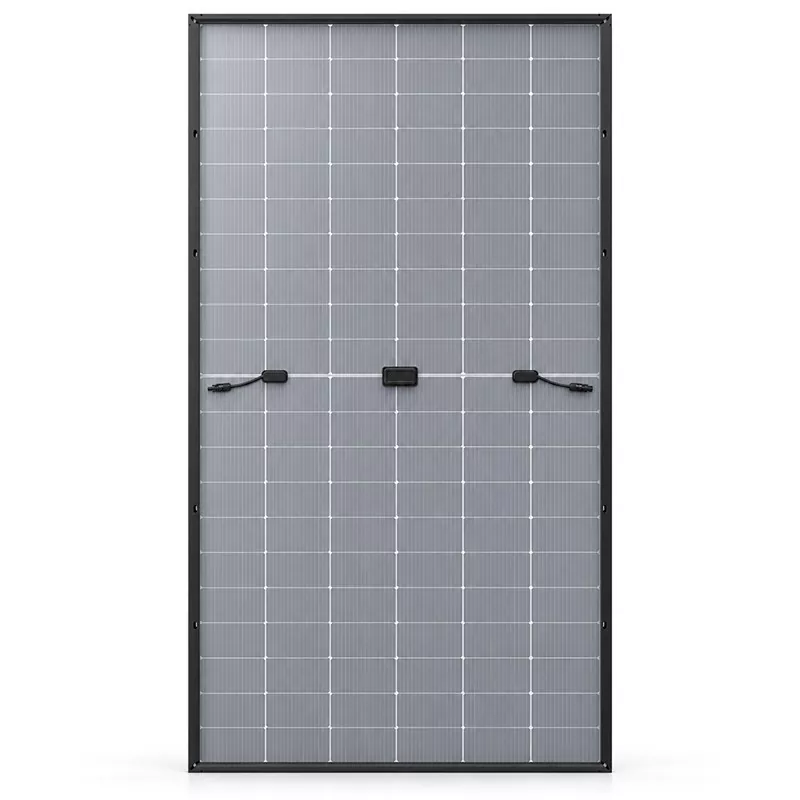
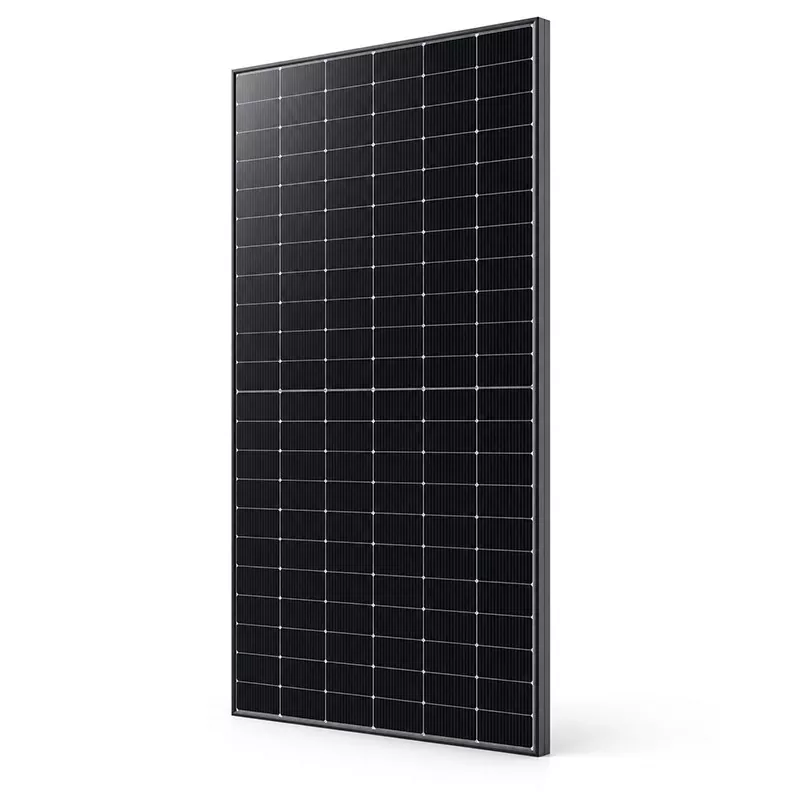
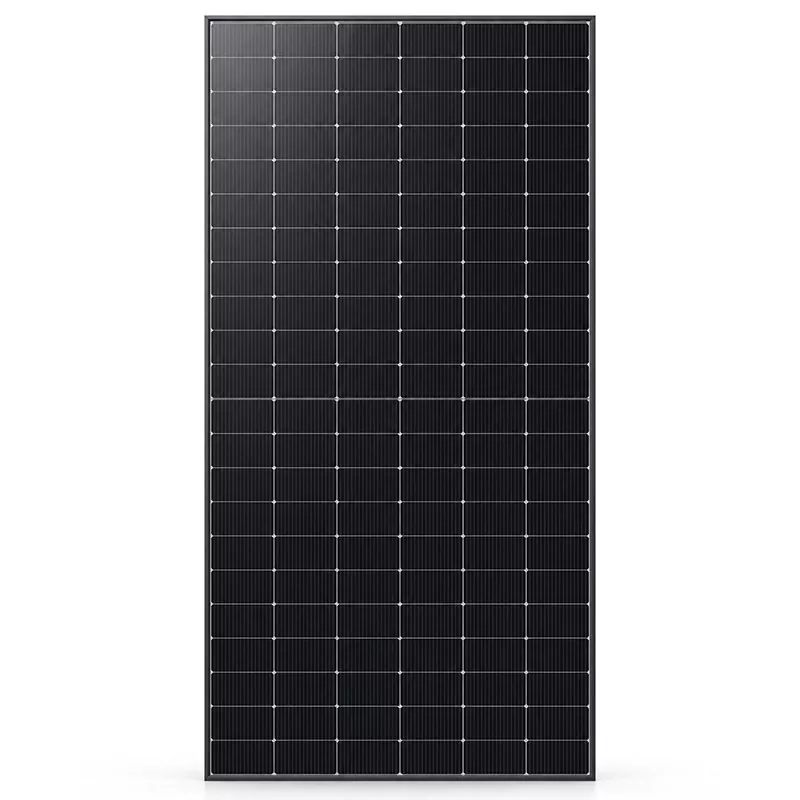
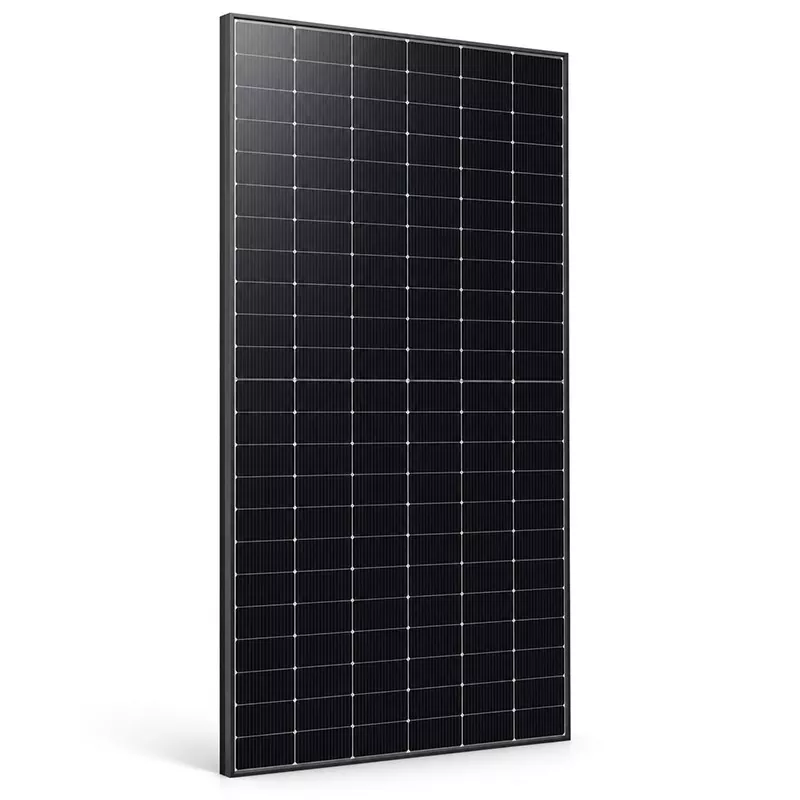
Unlike a conventional front-contact design, HPBC 2.0 places current-collection contacts on the rear of the solar cells, enabling a clean, uninterrupted front appearance and high optical utilization. LONGi combines this architecture with N-type TaiRay wafer technology to support module performance and reliability. The manufacturer specifically identifies efficient energy generation, lower operating temperature and flexible short-frame clamping as key benefits of the Hi-MO X10 Scientist series.
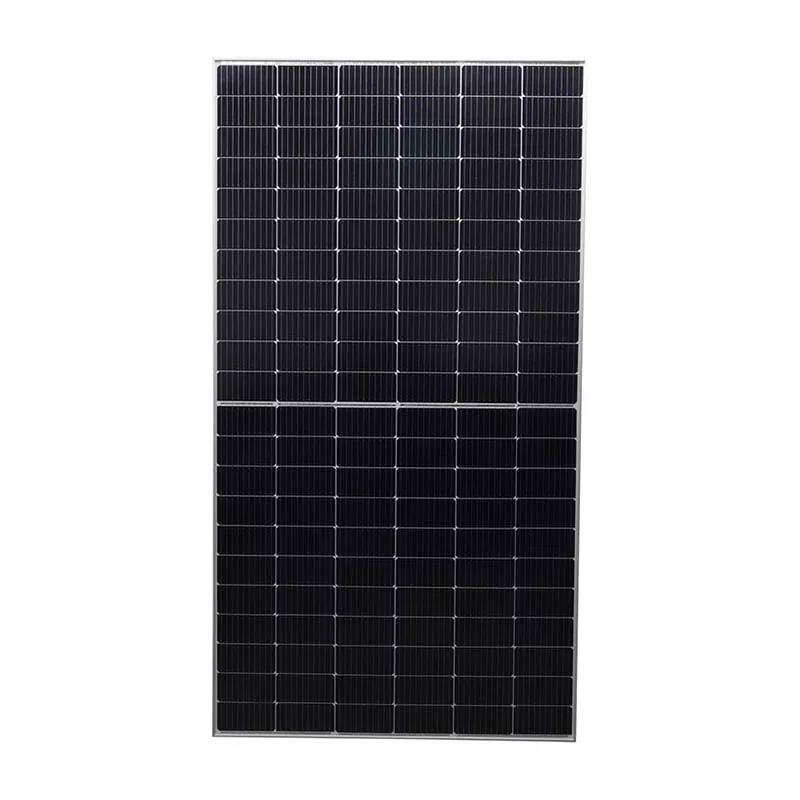
The LR7-60HVD uses a dual-glass construction with two 2.0mm semi-tempered glass layers and a 30mm anodized aluminum-alloy frame. Its 120-cell (6 × 20) layout, IP68 junction box with three bypass diodes and high-load mechanical rating suit appropriately engineered roofs and mounting systems. Under STC, front-side nameplate powers span 530W to 550W; additional rear-side irradiance may increase total module output in suitable bifacial installations. Rear-side gain depends on ground reflectance, mounting clearance, row spacing and shading, and should not be treated as guaranteed on-site production.
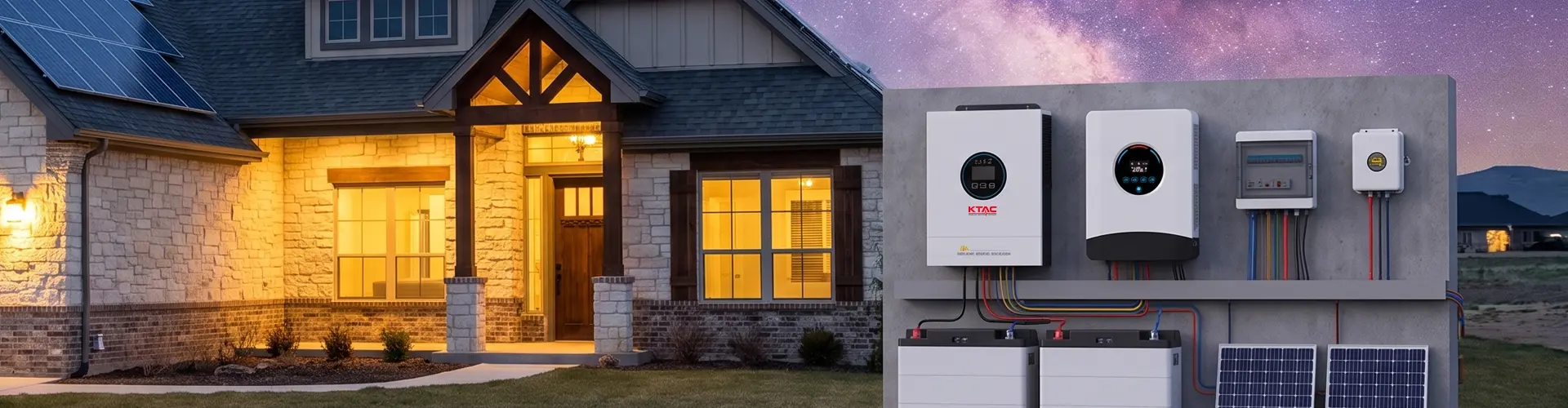
KTAC can help system buyers evaluate module-to-inverter compatibility, array layout and related balance-of-system components. Final system design should be checked against the selected model, applicable standards and LONGi installation and warranty documents.
|
Parameter |
Specification |
|
Series / module type |
LONGi Hi-MO X10 Scientist / LR7-60HVD |
|
Nominal front-side power (STC) |
530–550W, in 5W increments |
|
Cell technology |
N-type TaiRay wafer / HPBC 2.0 back-contact |
|
Module type |
Bifacial dual-glass |
|
Maximum module efficiency |
24.4% at 550W (STC) |
|
Cell orientation |
120 (6 × 20) |
|
Dimensions |
1990 × 1134 × 30mm |
|
Weight |
28kg |
|
Glass |
2.0 + 2.0mm semi-tempered glass |
|
Frame |
Anodized aluminum-alloy frame |
|
Junction box |
IP68, three diodes |
|
Output cable |
4mm²; +400 / −200mm or ±1400mm, customizable (per datasheet) |
|
Connectors |
PV-LR5 (LONGi); PV-KST4-EVO2A/xy and PV-KBT4-EVO2A/xy (Stäubli) listed |
|
Max system voltage |
DC 1500V (IEC) |
|
Max series fuse |
30A |
|
Power binning tolerance |
0 to +3% (as stated in datasheet) |
|
Front / rear max static load |
+5400Pa / −2400Pa |
|
Hail test |
25mm hailstone at 23m/s |
|
Nominal operating cell temperature |
45 ± 2°C |
|
Pmax / Voc / Isc temperature coefficient |
−0.260%/°C / −0.200%/°C / +0.050%/°C |
|
Bifaciality (Pmax) |
70 ± 5% |
|
Fire rating |
UL Type 29 / IEC Class C (datasheet listing) |
|
Packaging |
36 pcs/pallet; 180 pcs/20-foot GP; 792 pcs/40-foot HC |
|
Warranty |
25-year materials and processing; 30-year front-side linear power output |
|
Degradation |
First year <1%; subsequent annual degradation 0.35%; 30-year stated retained output 88.85% |
STC = irradiance 1000W/m², cell temperature 25°C, AM1.5. The figures below are manufacturer-rated values; individual results are subject to the datasheet measurement tolerance.
|
Model |
Pmax W |
Voc V |
Isc A |
Vmp V |
Imp A |
Efficiency |
|
530M |
530 |
44.95 |
14.90 |
37.17 |
14.26 |
23.5% |
|
535M |
535 |
45.05 |
15.00 |
37.27 |
14.36 |
23.7% |
|
540M |
540 |
45.15 |
15.10 |
37.37 |
14.45 |
23.9% |
|
545M |
545 |
45.25 |
15.20 |
37.47 |
14.55 |
24.2% |
|
550M |
550 |
45.35 |
15.30 |
37.57 |
14.64 |
24.4% |
BNPI in the attached manufacturer datasheet is a separate test condition: front irradiance 1000W/m² and rear irradiance 135W/m² at 25°C, AM1.5. These are reference laboratory conditions, not the STC nameplate power or a guaranteed site yield.
|
Model |
BNPI Pmax W |
Voc V |
Isc A |
Vmp V |
Imp A |
|
530M |
580 |
44.95 |
16.31 |
37.17 |
15.61 |
|
535M |
586 |
45.05 |
16.42 |
37.27 |
15.71 |
|
540M |
591 |
45.15 |
16.53 |
37.37 |
15.82 |
|
545M |
597 |
45.25 |
16.64 |
37.47 |
15.92 |
|
550M |
602 |
45.35 |
16.75 |
37.57 |
16.02 |
Important design note: the datasheet separately lists BSI short-circuit currents of 18.03–18.52A under a stronger rear-irradiance reference condition. Designers must assess potential bifacial current uplift when sizing MPPT inputs, conductors, protection and connectors, rather than relying only on STC Imp.
The rear-contact cell architecture supports high front-side light utilization while providing a uniform, visually appealing black cell surface. This makes the panel especially relevant to high-visibility rooftops and projects that prioritize efficiency and appearance.
At 550W STC output, the module reaches 24.4% efficiency. High conversion efficiency helps extract more rated power from a given module footprint, particularly useful when available roof area is constrained.
The dual-glass module can harvest light on both sides. The datasheet lists 602W for the 550M under its defined BNPI test condition; real rear-side gains must be modeled for project albedo, elevation and shading.
LONGi identifies N-type TaiRay wafers and HPBC 2.0 as the series technology platform for improved reliability. Site conditions and installation practices still determine actual service performance.
LONGi highlights lower operating temperature as a cell feature; the published −0.260%/°C Pmax coefficient quantifies temperature sensitivity. Reduced temperature-related losses can be relevant in hot climates, but no fixed annual yield uplift should be assumed.
The manufacturer highlights compatibility with short-frame clamping methods, subject to the installation guide. Published maximum static loads are +5400Pa front and −2400Pa rear under specified test conditions.
Two 2.0mm semi-tempered glass layers provide a rigid module construction. A corrosion-resistant anodized aluminum-alloy frame completes the mechanical structure; suitability for specific sites requires the manufacturer’s mounting and environmental guidance.
The 1500V maximum system voltage enables integration into appropriately designed commercial PV strings. Final module count per string must also consider cold-weather Voc rise and inverter operating windows.
LONGi states 25 years for materials and processing and 30 years for additional front-side linear power output. The datasheet indicates 88.85% retained output at year 30, subject to official warranty terms.
The 1990 × 1134 × 30mm, 28kg format supports project handling and layout planning. The published packaging count is 36 modules per pallet, 180 per 20-foot container and 792 per 40-foot high-cube container.
For homes seeking high-efficiency roof coverage, contemporary black-cell aesthetics and integration with properly sized grid-tied or hybrid inverters.
For warehouses, factories and workshops where high energy density and reliable mounting are important, subject to roof loading and fire-compliance review.
For elevated canopies where reflective ground and open rear-side geometry may provide useful bifacial gain; design must evaluate local wind and structural loads.
For mounting systems configured to reduce rear shading and take advantage of rear irradiation, with engineering evaluation of row spacing and terrain reflectance.
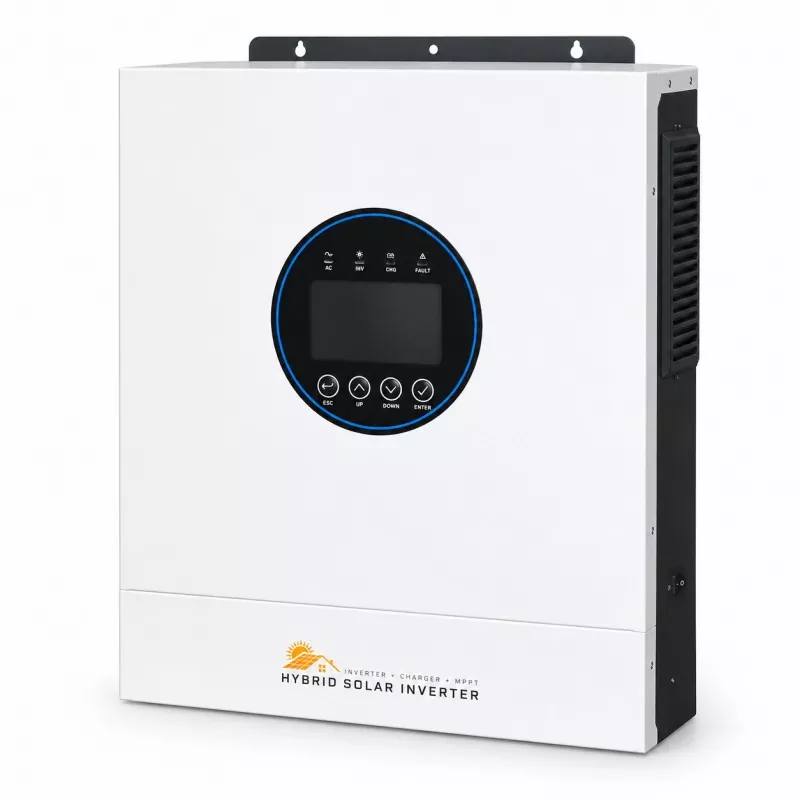
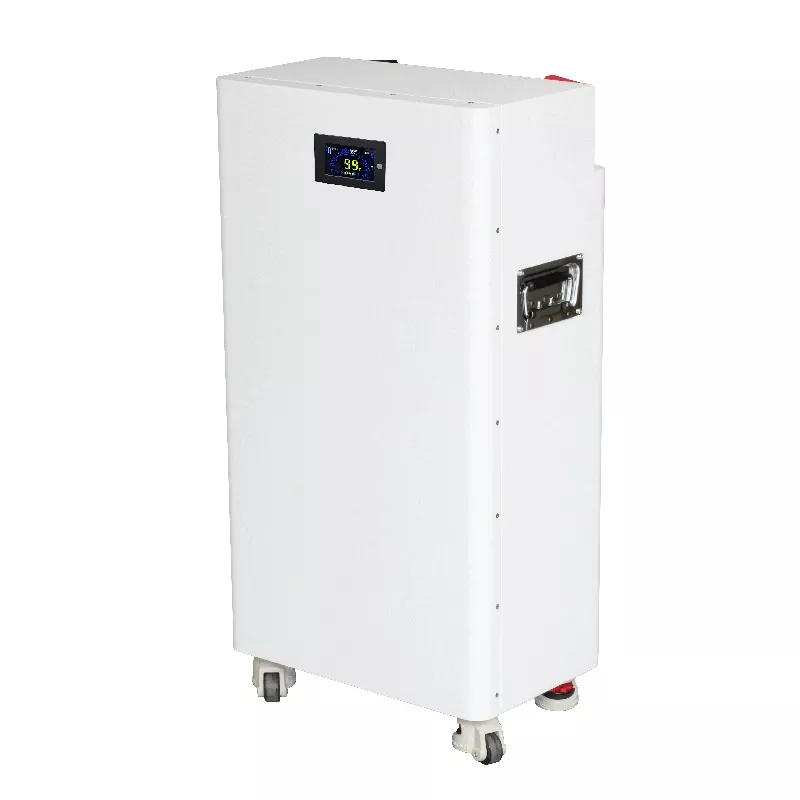
Can be part of hybrid PV-and-storage installations where array string voltage/current match the inverter MPPT limits and charging objectives.
Suitable for evaluation in warm environments because the datasheet publishes a −0.260%/°C Pmax temperature coefficient; performance requires location-specific modeling.
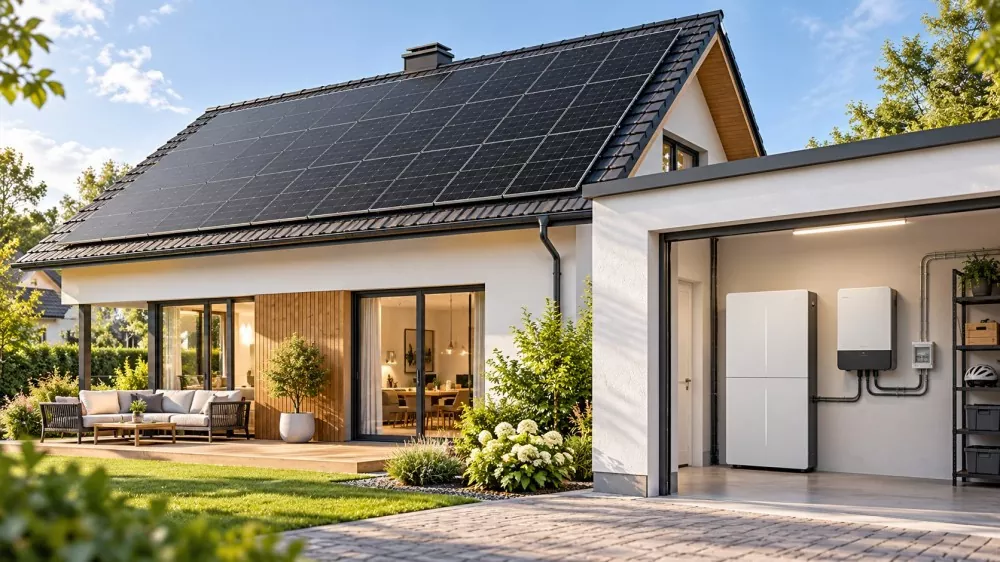
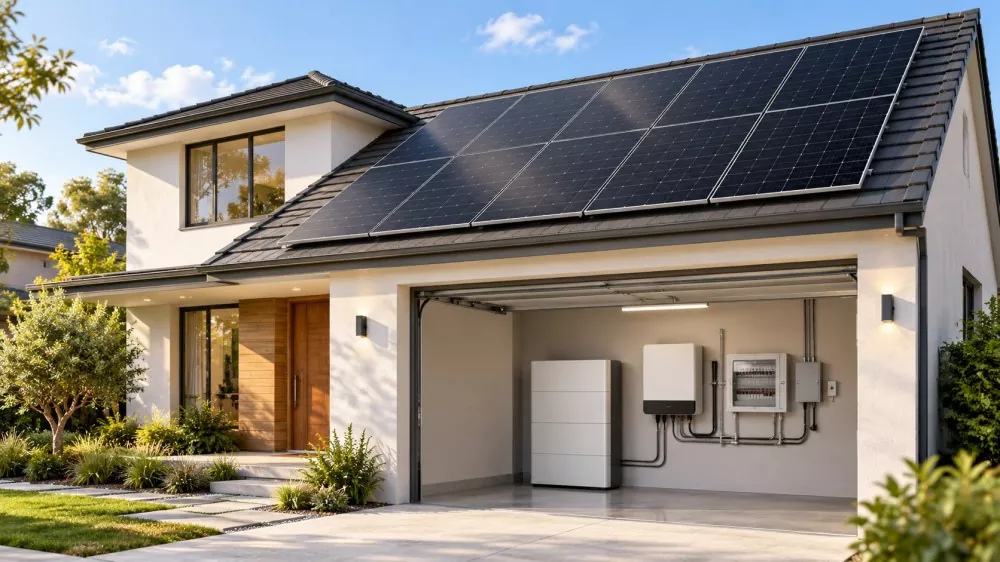
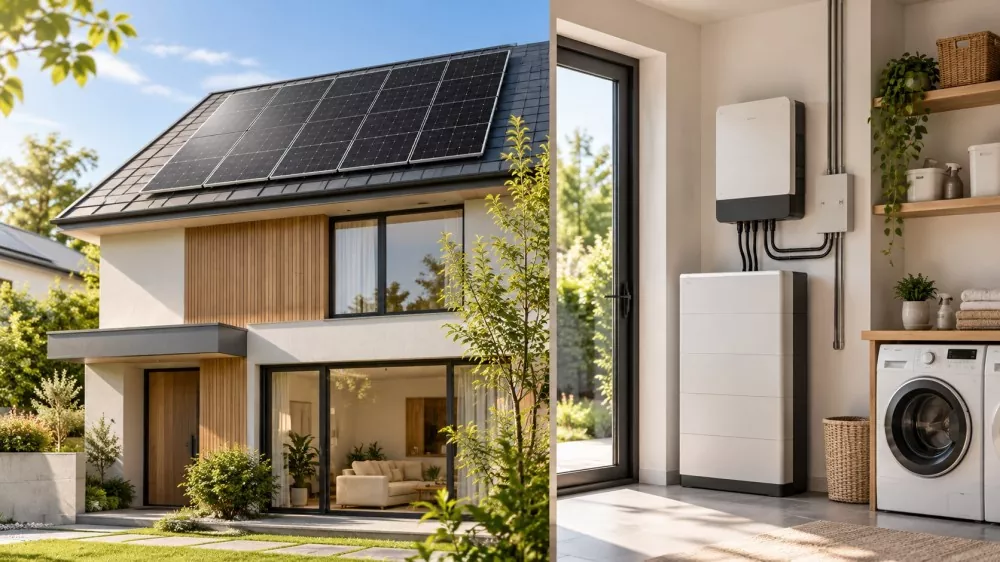
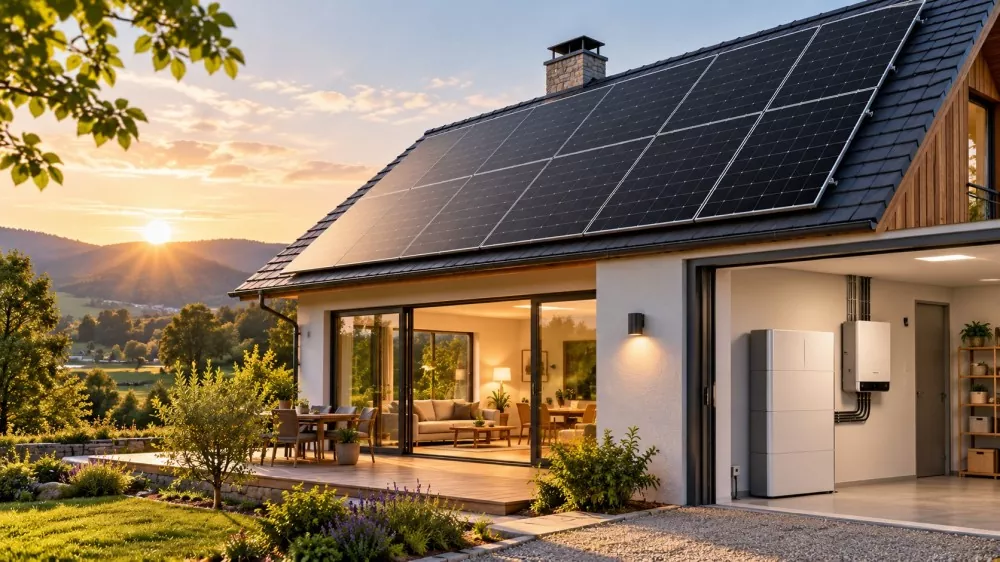
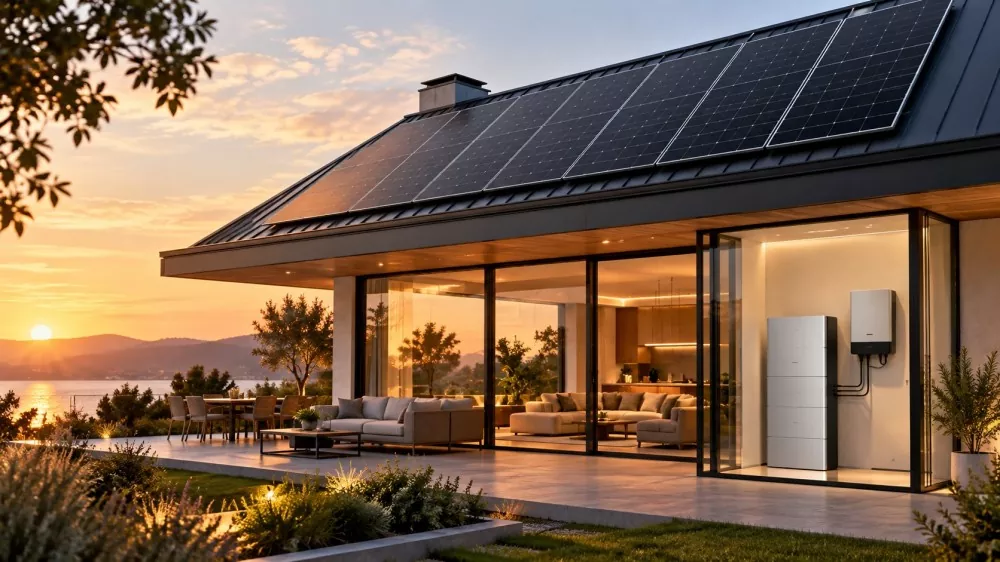
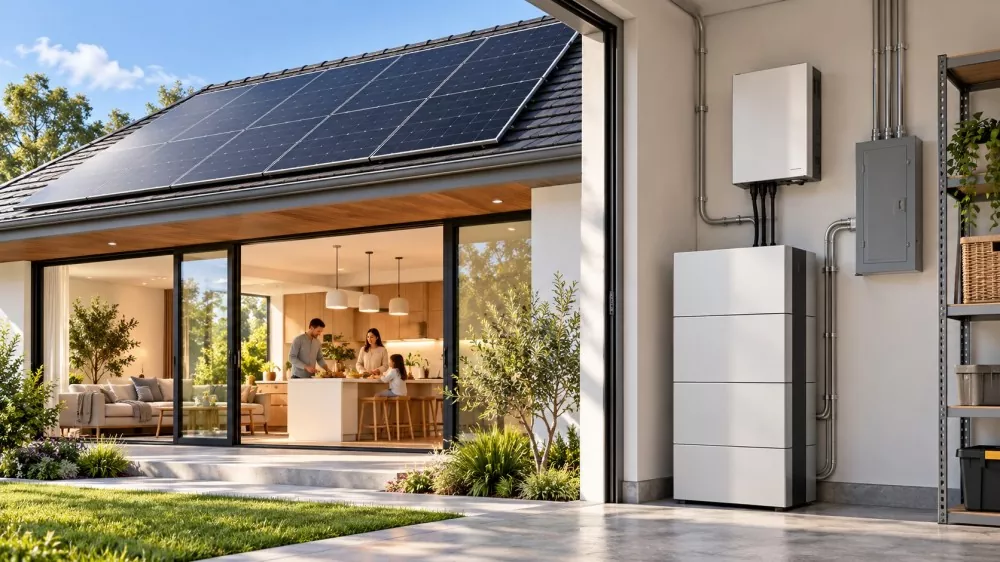
High conversion efficiency addresses a central challenge in rooftop solar: extracting more rated watts per square meter. The LONGI Hi-MO X10 530-550W Solar Panel series combines a 24.4%-efficient top-bin option with the aesthetics of a back-contact cell structure. Bifacial capability creates further upside where site geometry supports rear-side irradiance, while the dual-glass construction, load specifications and extensive published warranty framework aid long-term procurement planning. The result is a technically compelling module for projects in which design compatibility, expected lifetime energy yield and roof or rack constraints are more important than headline wattage alone.
KTAC's project approach is to verify electrical match, placement, related PV balance-of-system components and logistics before quoting a complete solution. Availability, exact connector option, certification acceptance and local warranty applicability should be confirmed for the shipment destination.
Yes. It is a dual-glass bifacial module. The 550W value is the FRONT-SIDE STC nameplate rating of LR7-60HVD-550M measured with 1000W/m² front irradiance at 25°C cell temperature. Energy captured by the rear face may add to system output, but does not change the STC nameplate specification.
No. The 602W value is the 550M model's Pmax under BNPI, a separate reference condition with 1000W/m² on the front and 135W/m² on the rear. Real rear-side radiation depends on the installation. It should not be advertised as continuous rated 602W output or an assured field gain.
The datasheet specifies Pmax bifaciality of 70 ± 5%, but it does not promise a fixed annual yield gain. An open elevated carport above reflective paving can generally offer better rear exposure than a tightly mounted pitched roof. For project estimates, model ground albedo, module height, row spacing, underside shading, tilt, local sun and inverter clipping.
HPBC 2.0 is LONGi's back-contact cell technology. By moving contacts away from the illuminated cell face, the architecture supports strong optical utilization and a cleaner front appearance. Actual gain versus another panel depends on the comparison model and test conditions; the datasheet does not establish a single universal percentage improvement.
TaiRay is LONGi's N-type wafer platform used with this HPBC 2.0 module series. The manufacturer identifies it as a contributor to product reliability. Do not assume every N-type module has the same performance or that the wafer alone determines yield; evaluate complete module efficiency, temperature coefficients, degradation terms and independent certification.
Potentially, yes, but the battery nominal voltage is not the PV string voltage. For the 550M, Vmp = 37.57V and Voc = 45.35V at STC; a suitable number of modules must be placed in series to meet the specific inverter's MPPT minimum, maximum, and start-up limits. Check the cold-temperature Voc ceiling, hot-temperature Vmp, MPPT current and permitted PV oversizing before wiring.
For the 550M, STC Imp = 14.64A and Isc = 15.30A, but BNPI Imp rises to 16.02A and Isc to 16.75A. Under the stronger BSI rear-irradiance reference, Isc is listed as 18.52A. Inverters, combiner inputs, fuses and cables must be checked against the relevant maximum current assumptions and applicable codes. An MPPT input rated only for the STC operating current may limit the usable bifacial benefit.
There is no universally correct number. As an illustration, ten 550M modules yield 453.5V open-circuit and 375.7V at maximum power under STC. Cold conditions raise Voc and hot conditions lower Vmp. The safe string count requires local design minimum temperature, coefficient-based Voc correction, inverter maximum DC voltage, MPPT operating window and local electrical rules.
No. DC1500V (IEC) is the maximum permitted system-voltage rating of the module, not its operating voltage. It can be installed in lower-voltage PV arrays when system engineering and inverter electrical requirements are met. Do not exceed any component rating.
Its Pmax coefficient is −0.260%/°C relative to the STC reference cell temperature of 25°C. For illustration only, a 550W module at a 65°C cell temperature implies about 550 × [1 − 0.0026 × 40] ≈ 493W before allowing for irradiance changes and other system losses. This is a temperature-coefficient calculation, not a real-world output guarantee.
The module includes an IP68 junction box with three diodes, but bypass diodes do not eliminate shading loss. Power reduction depends on the shaded cell strings, shade pattern and duration. Avoid vents, parapets, nearby trees and adjacent-row shadows, and consider optimizer requirements based on system design rather than assuming the cell technology makes shading harmless.
Mixing different module current-voltage characteristics in one string can introduce mismatch loss. Although these models are from the same family, their Imp and Vmp differ. Prefer matching models per string or MPPT. Combining with older modules requires checking operating current, voltage, degradation, connector types and protective requirements; do not mix connector brands without explicit manufacturer approval.
LONGi explicitly highlights short-frame clamp installation flexibility. The sheet lists +5400Pa front-side and −2400Pa rear-side maximum static loading, but allowable load depends on approved clamp positions, rails, quantity of supports and test configuration. Obtain the latest LONGi installation manual and have a qualified designer verify local wind uplift and snow load.
The manufacturer lists a hailstone test using 25mm hail at 23m/s. This documents a tested impact condition; it is not proof that panels survive every real hailstorm, larger hailstones or extreme wind-driven impacts. Project insurance and site risk analysis remain important.
This module weighs 28kg and measures 1990 × 1134 × 30mm. Installers should check roof loading, lifting access, team handling procedures and clamp compatibility. The dual-glass designation describes construction; it does not replace a structural assessment.
The brochure specifies 25 years for materials and processing and 30 years for additional front-side linear power output. It also shows less than 1% first-year degradation, 0.35% annual degradation afterward and 88.85% at year 30. Claim eligibility, exclusions, registration, country applicability, transportation and remedy terms depend on the official LONGi warranty document, which is not contained in this two-page datasheet.
No. The datasheet separates less than 1% first-year power degradation from subsequent annual degradation of 0.35%. These refer to the published power-warranty framework, not a prediction of the exact output of each installed module in each year.
The sheet lists PV-LR5 (LONGi) and designated Stäubli PV-KST4-EVO2A/xy / PV-KBT4-EVO2A/xy connectors, as well as 4mm² cable with stated lead-length configurations and customization. Confirm the actual connector type and polarity in the purchase order. Similar-looking DC connectors from different manufacturers should never be assumed intermateable.
Not without suitable charging control equipment. A PV-to-battery system typically uses a compatible hybrid inverter or MPPT charge controller sized for the panel string voltage and current and the battery chemistry/BMS. Never connect PV strings directly to a storage battery unless the approved system design specifically provides the required control and protection.
Provide project location, target DC capacity, available roof or land dimensions, mounting type, inverter model and MPPT limits, desired module wattage, destination port, expected quantities and relevant local certification requirements. For bifacial yield estimates, also supply surface reflectance, rack height and row-spacing assumptions. KTAC can then assist with a technically relevant module and BOS proposal.
Source: uploaded LONGi Hi-MO X10 Scientist LR7-60HVD 530–550M datasheet (two pages; document filename refers to July 2025). All numerical ratings above are transcribed from its product specification and electrical-characteristics tables. Product applications, suitability discussions, string examples and FAQ engineering interpretations are explanatory guidance, not manufacturer performance guarantees.
Important: The uploaded PDF appears tailored to Australia and New Zealand in its footer. Verify the final destination-market certificates, official mounting instructions, warranty conditions, fire requirements, current connectors, available wattage bins and order terms before publishing localized compliance claims. Some filename wording suggests 530–555M, but the displayed datasheet itself publishes 530–550M; this document follows the visible datasheet.
Suggested SEO title: LONGi Hi-MO X10 Scientist 550W Bifacial Solar Panel | HPBC 2.0 | KTAC
Suggested meta description: Explore LONGi Hi-MO X10 Scientist LR7-60HVD 530–550W bifacial dual-glass solar panels with HPBC 2.0 cells, up to 24.4% efficiency and 30-year power warranty. Request a quote from KTAC.
Suggested URL slug: longi-hi-mo-x10-scientist-550w-bifacial-solar-panel
Address
No. 82, Xiaotang Gongye Avenue, Shishan Town, Nanhai District, Foshan City, Guangdong Province, China
Tel