
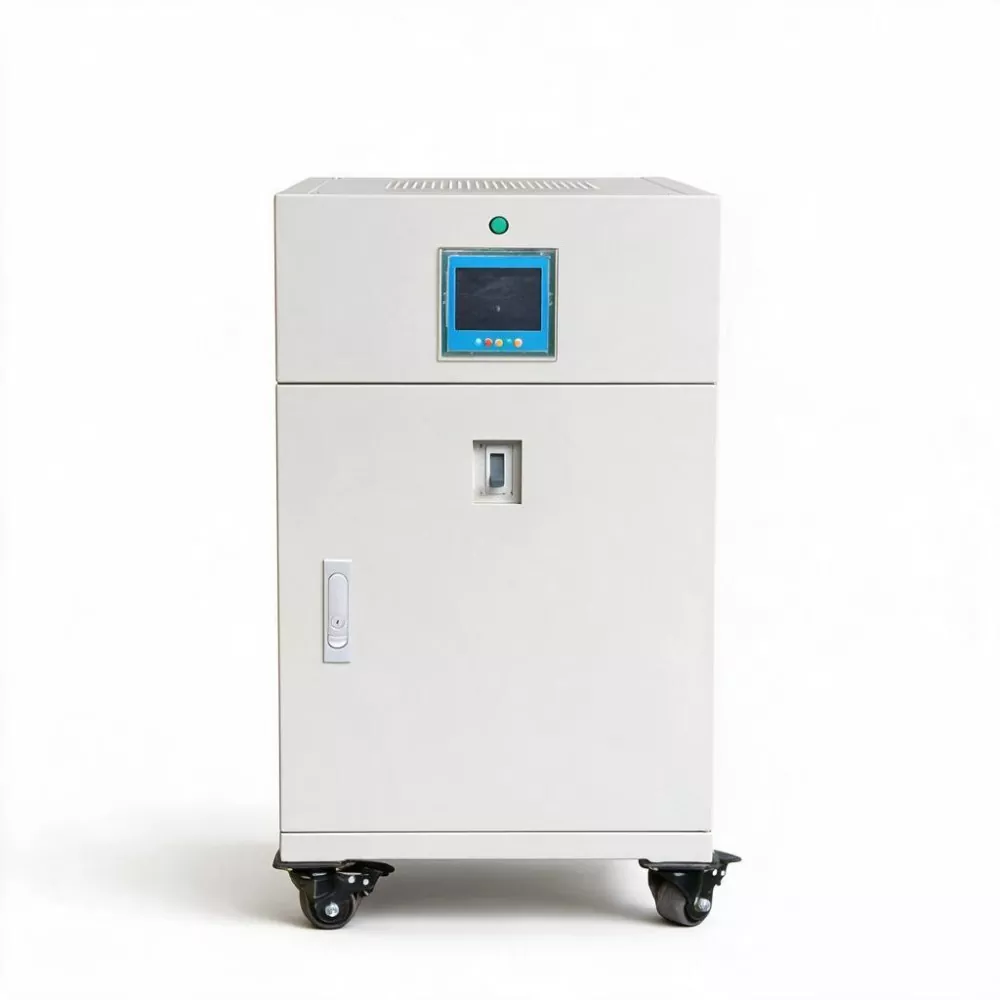
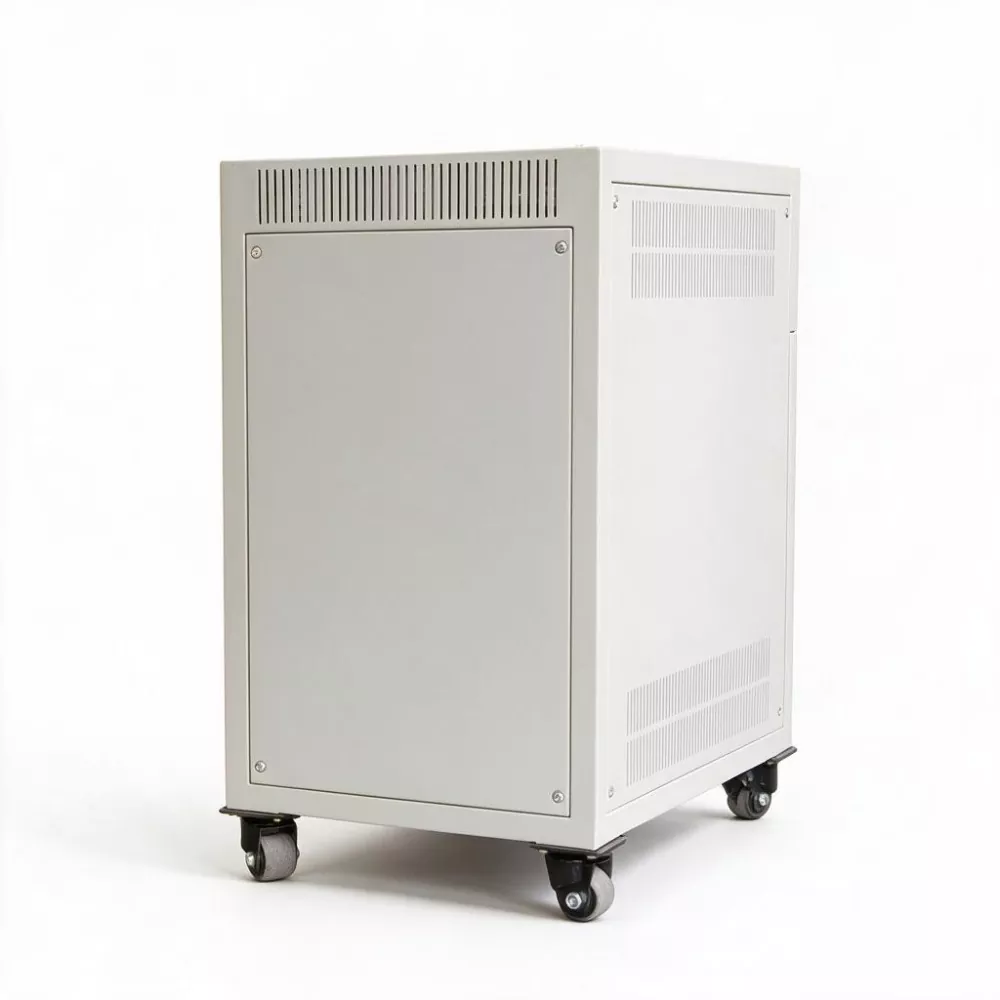
A 3.0T magnetic resonance imaging system requires the uniformity of the main magnetic field to reach the level of one part in a million, the switching accuracy of the gradient coil to be at the microsecond level, and the frequency stability of the radio frequency system to be better than 0.1 ppm. All these extremely precise electronic systems share only one common requirement - power supply.
The power supply environment in hospitals is complex. Large equipment such as CT rotating anodes and DSA high-voltage generators start and stop frequently, adjacent floor construction power usage, and daily fluctuations in the municipal power grid all have an impact on power quality.
For the superconducting magnet of MRI, voltage fluctuations may cause the magnet to "quench" (lose superconductivity), that is, the superconducting state is disrupted, and the liquid helium evaporates rapidly. A single quench can result in direct economic losses (liquid helium reinstallation, magnet excitation, system calibration) of 200,000 to 500,000 yuan, and the indirect losses are even more difficult to estimate.
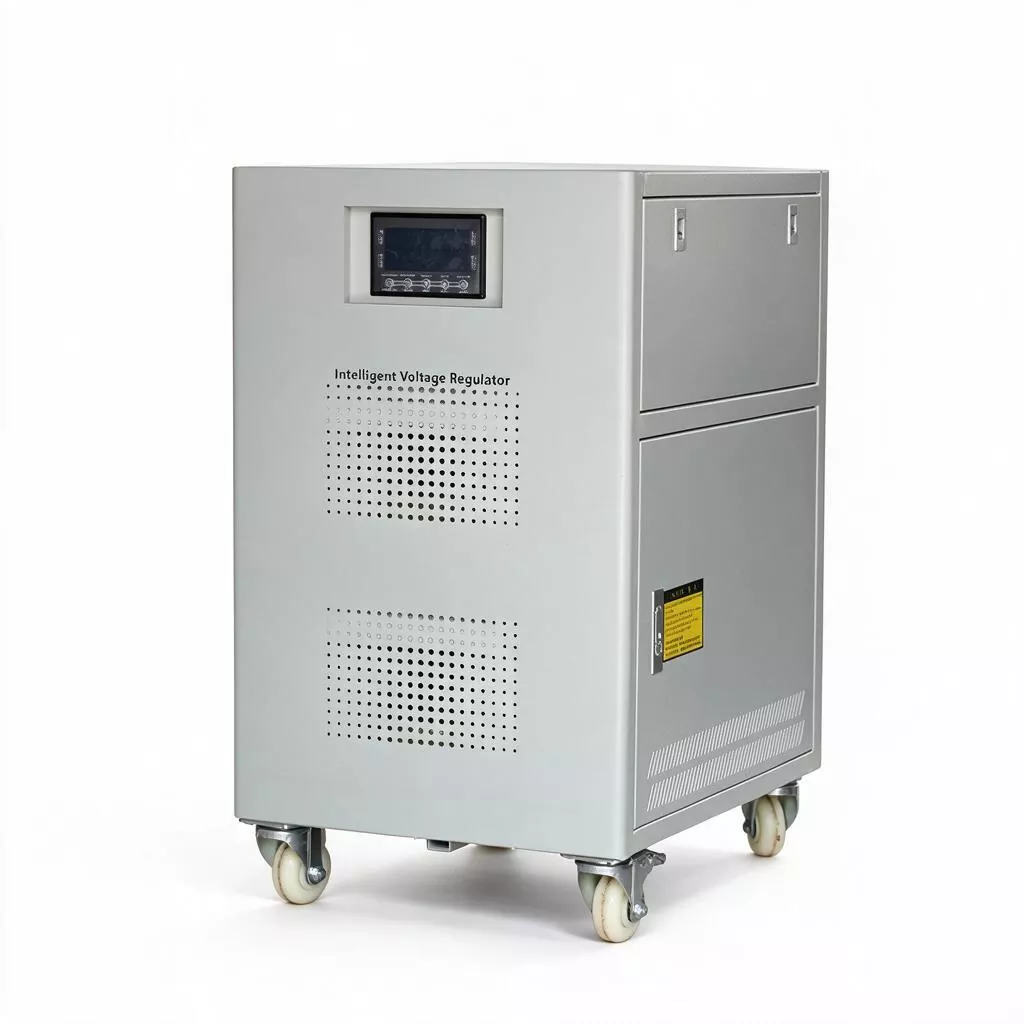
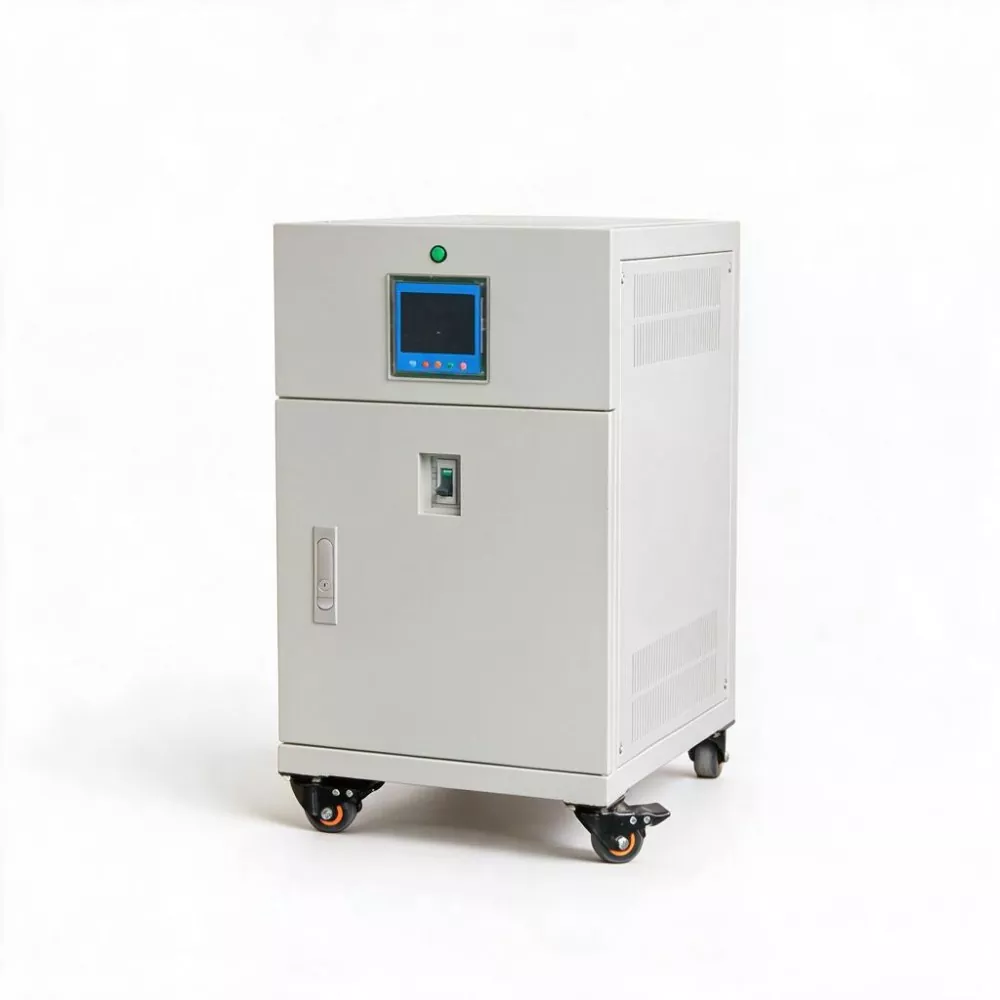
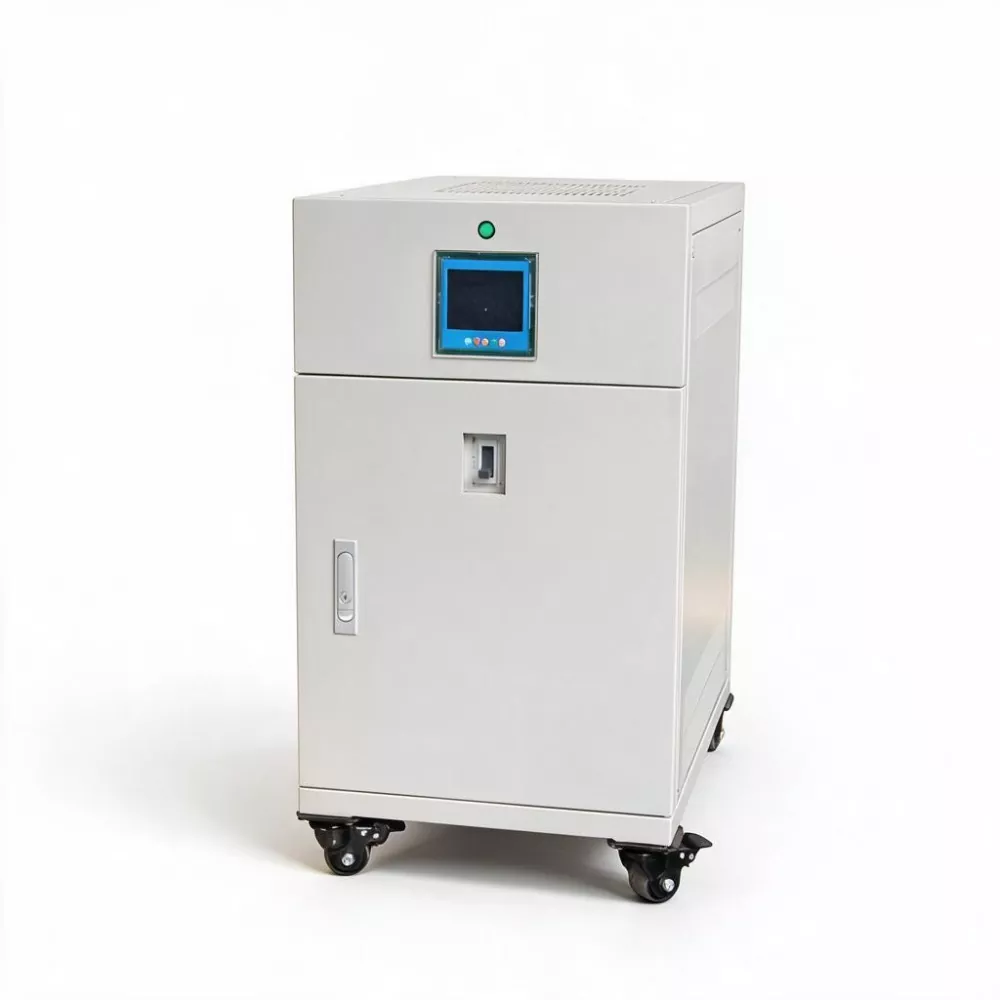
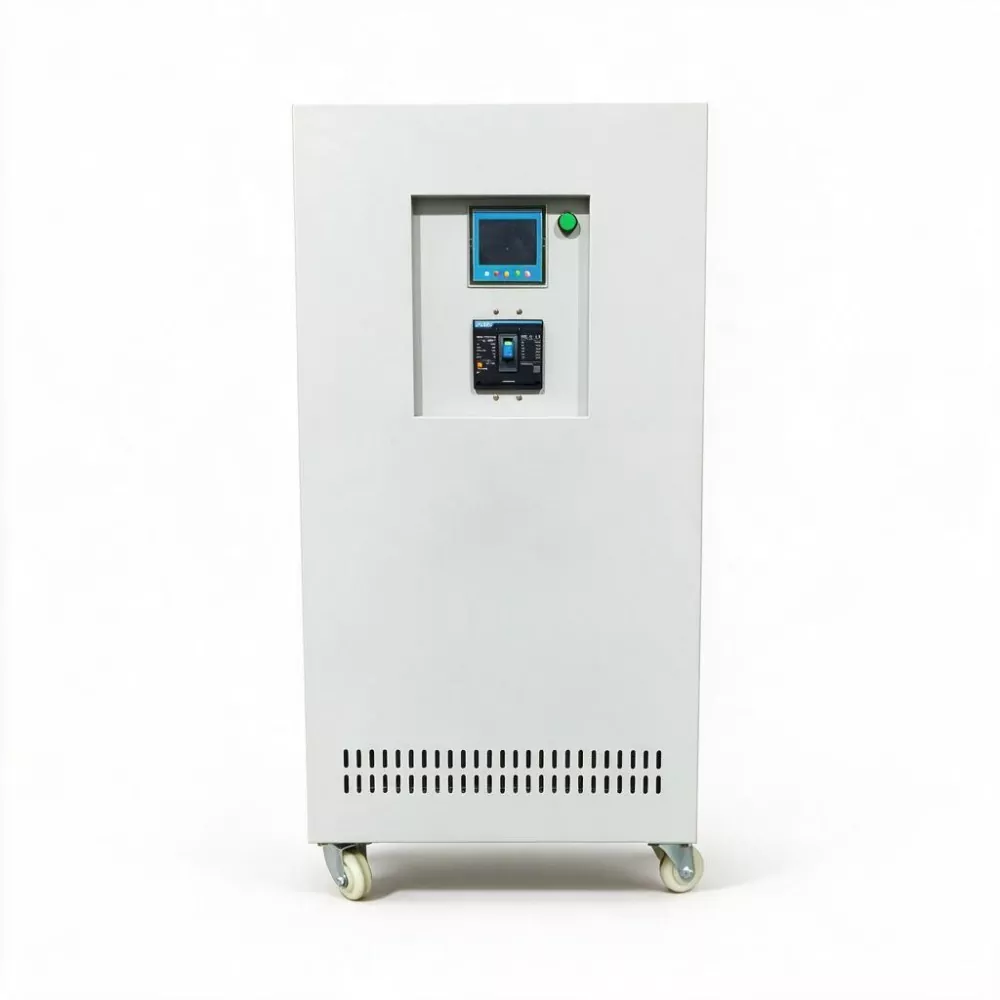
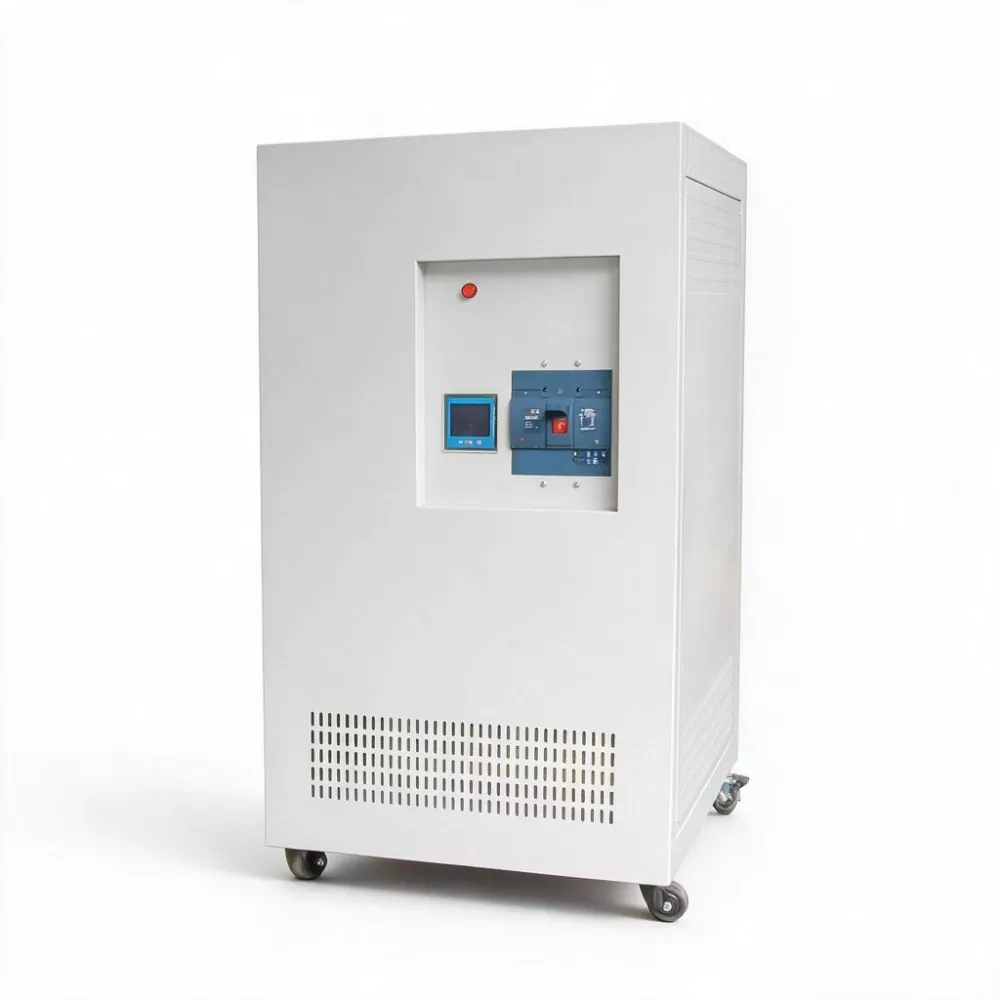
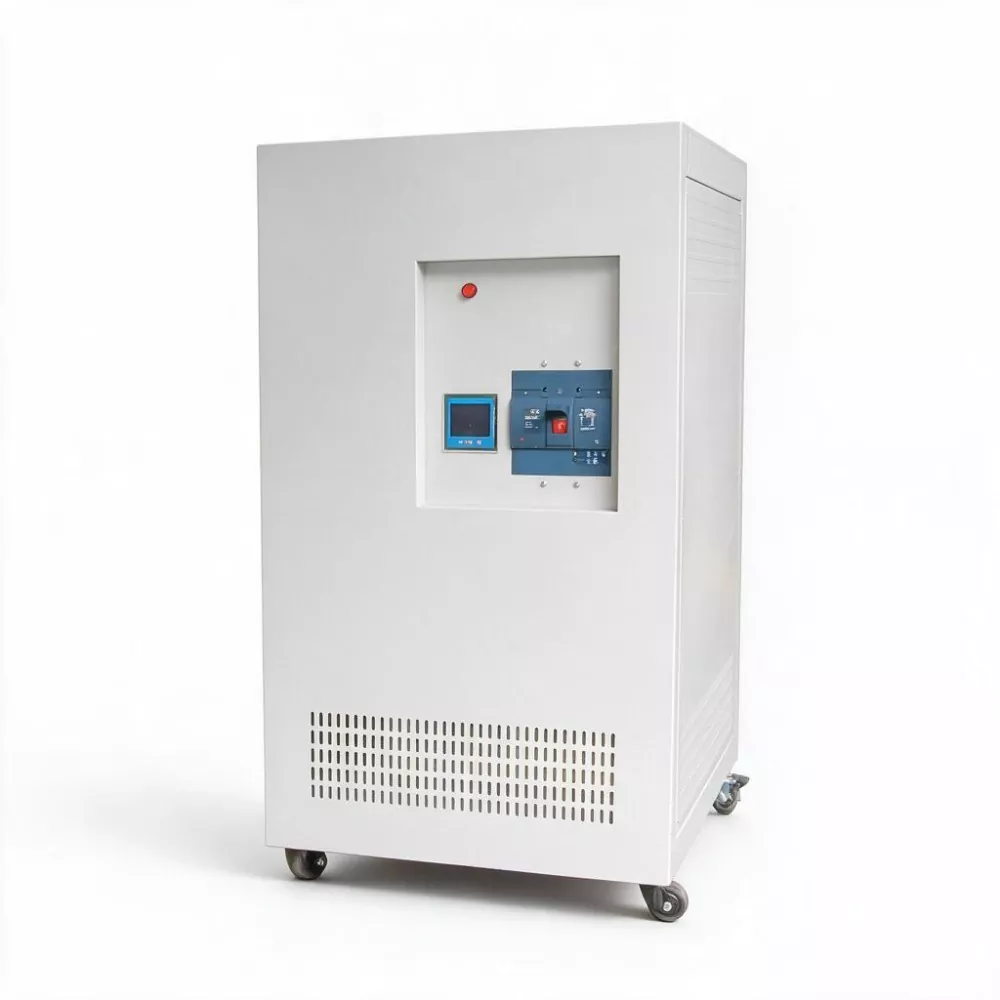
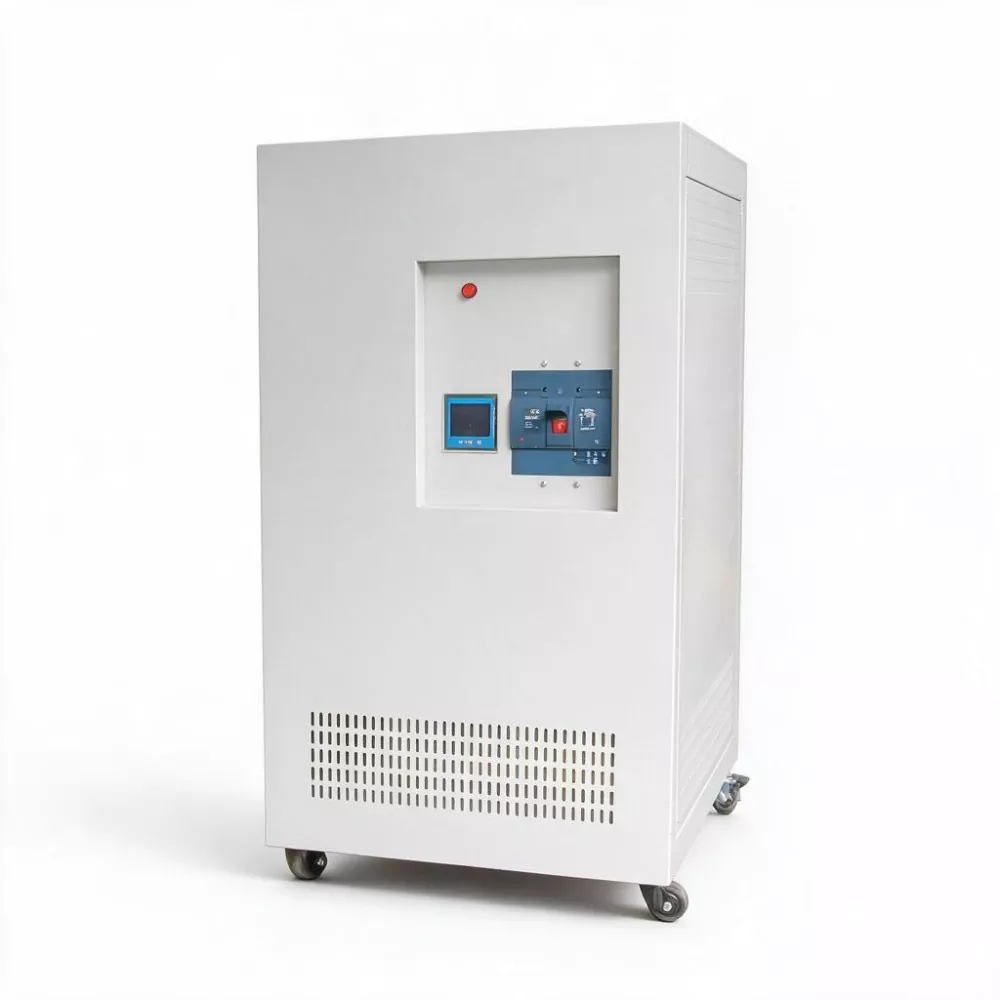
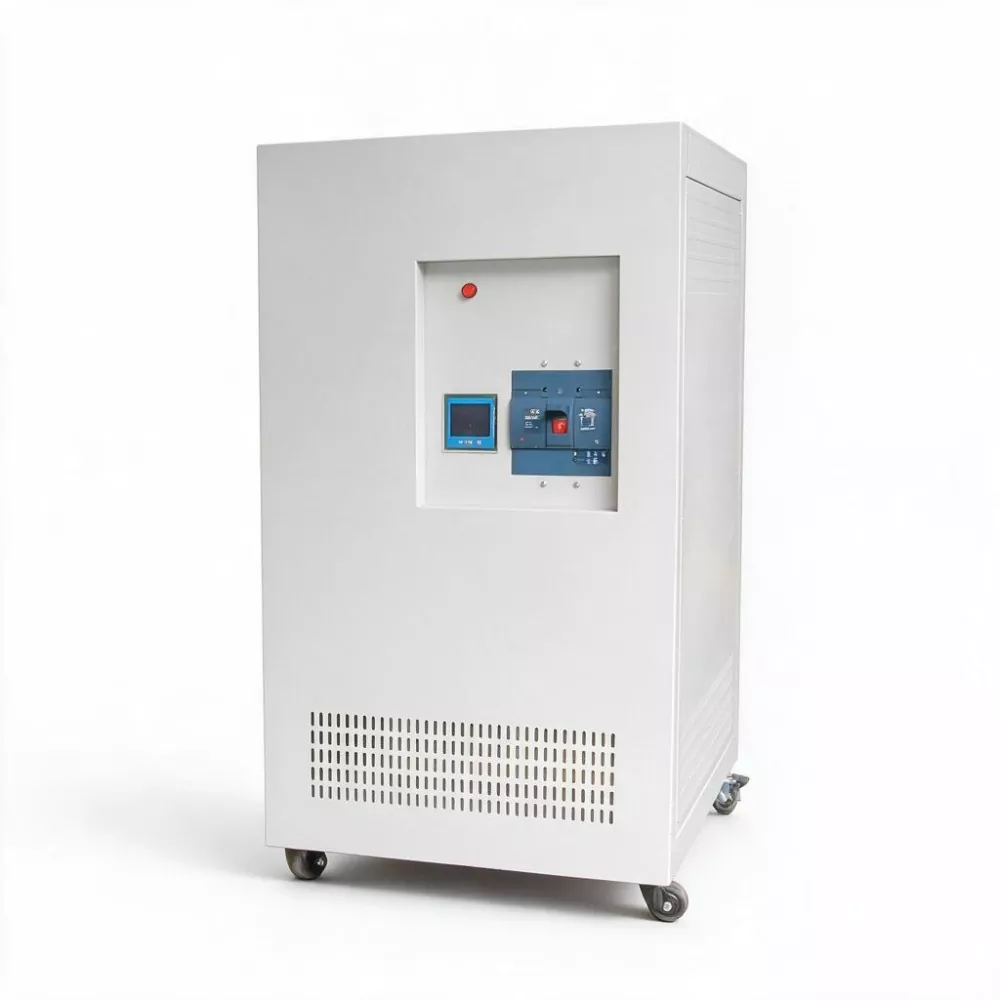
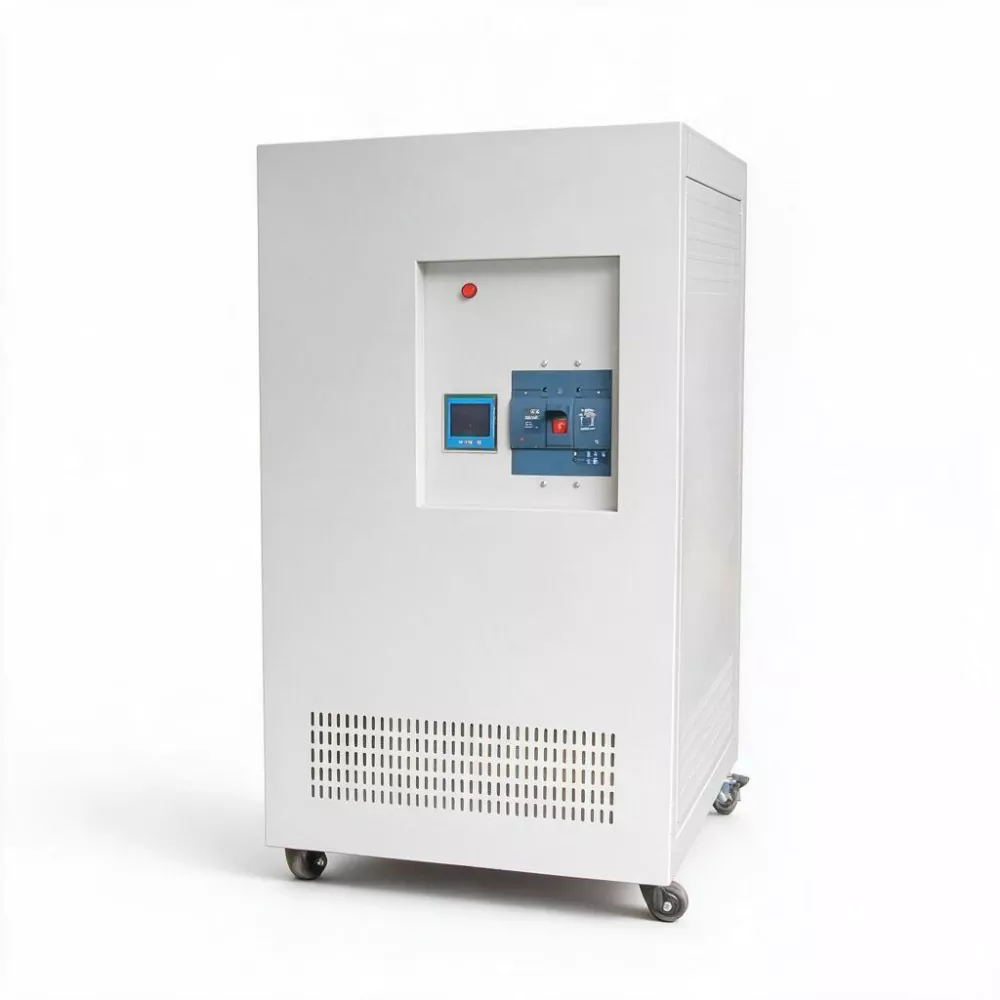
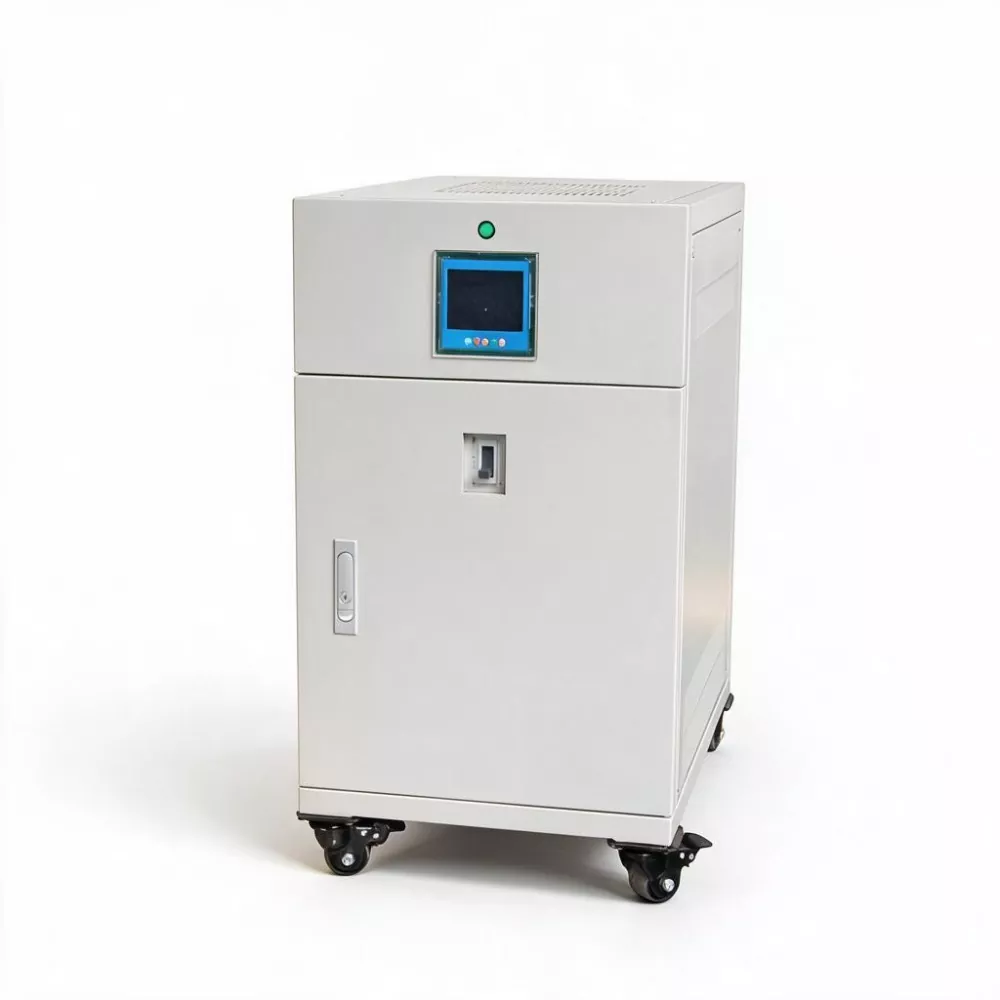
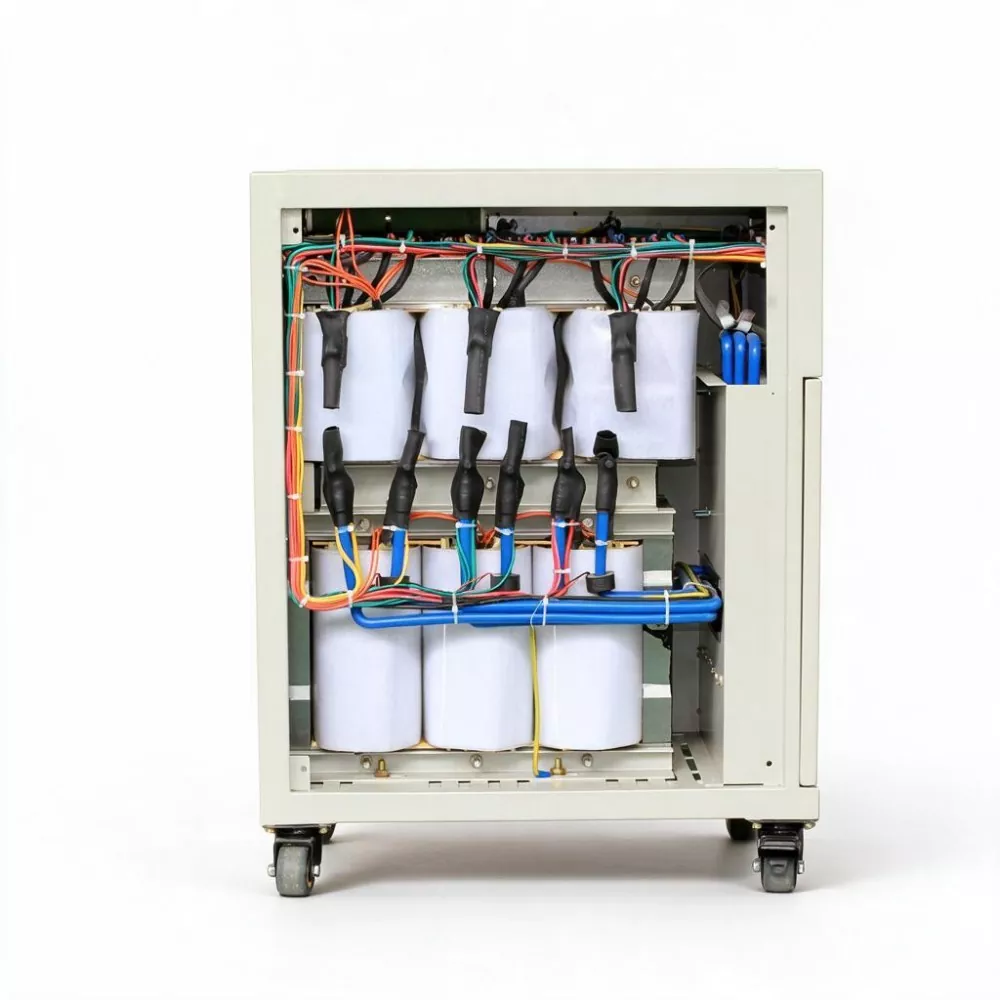
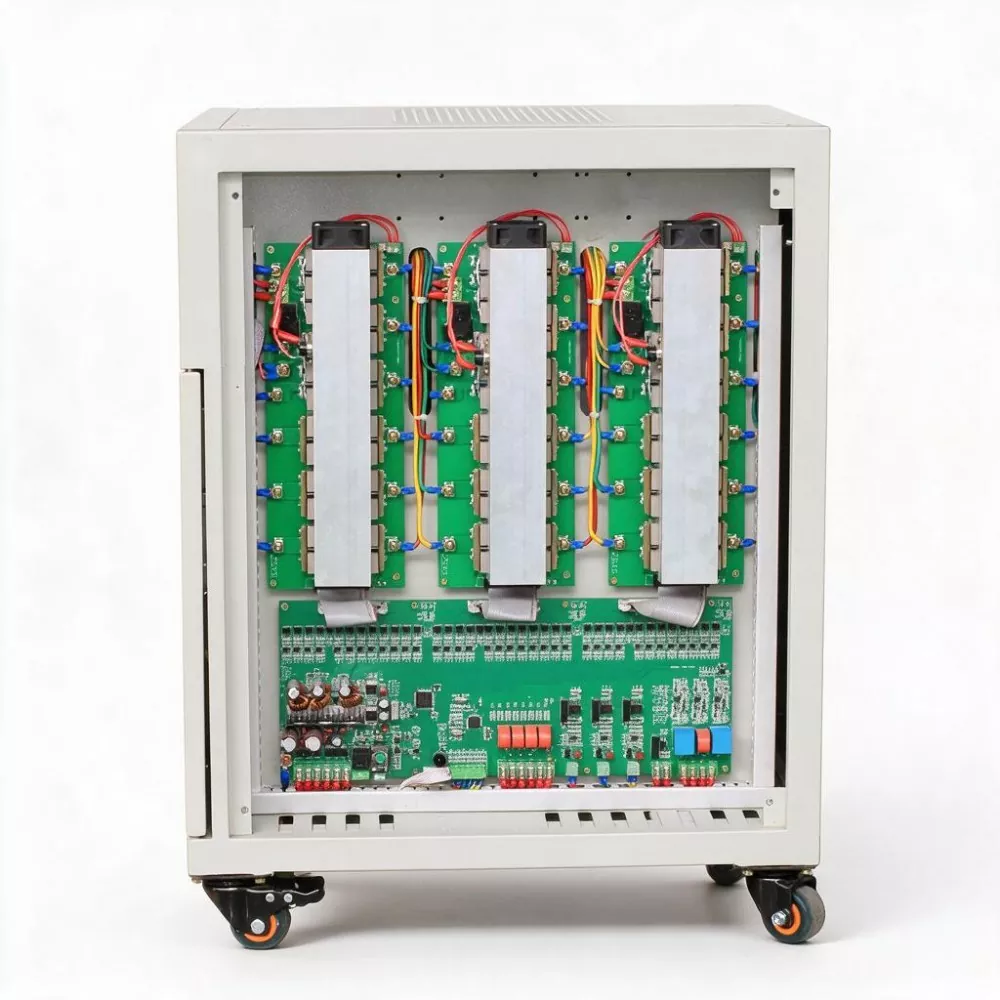
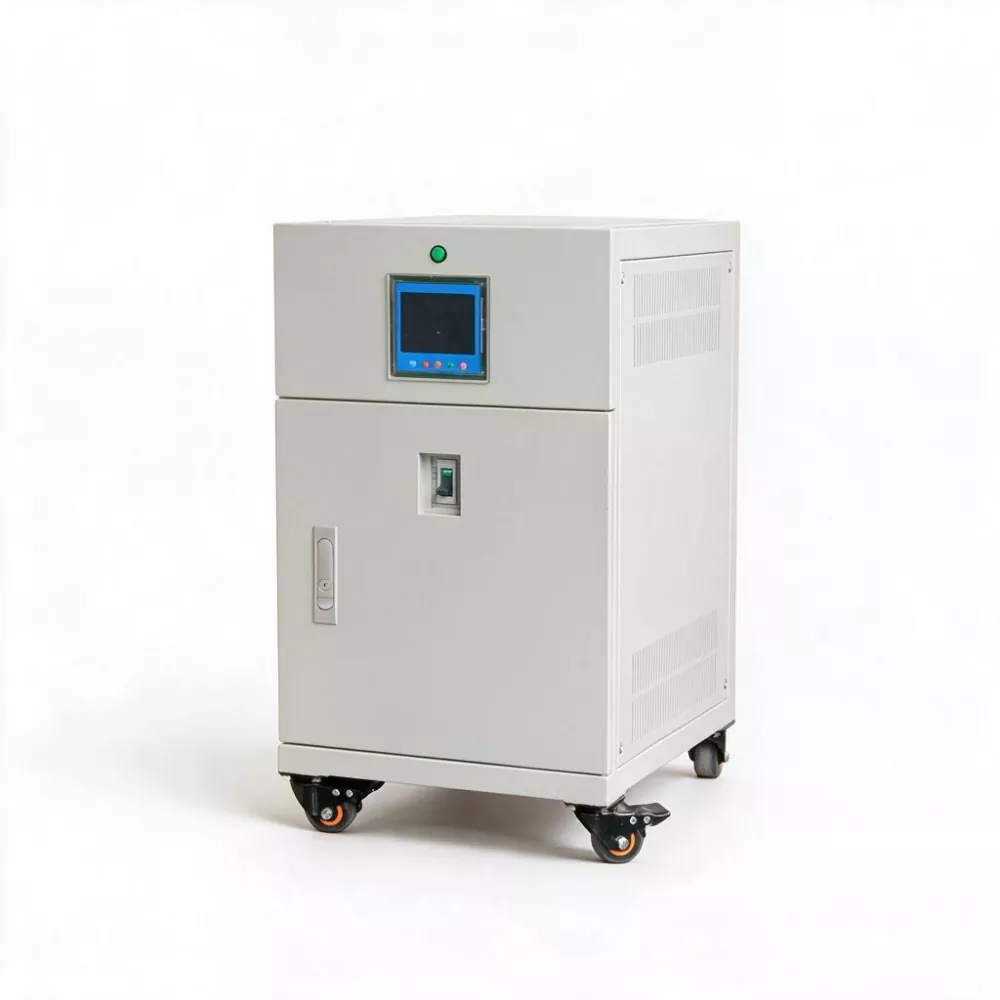
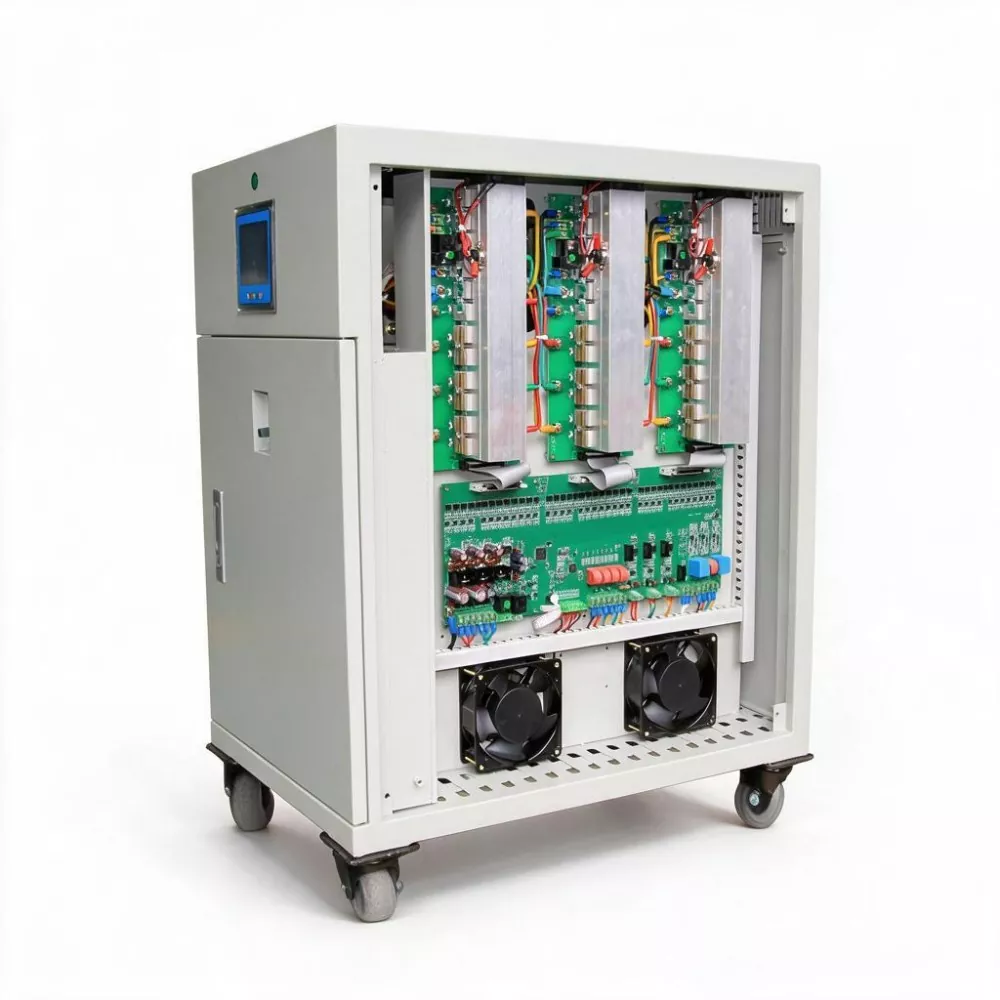
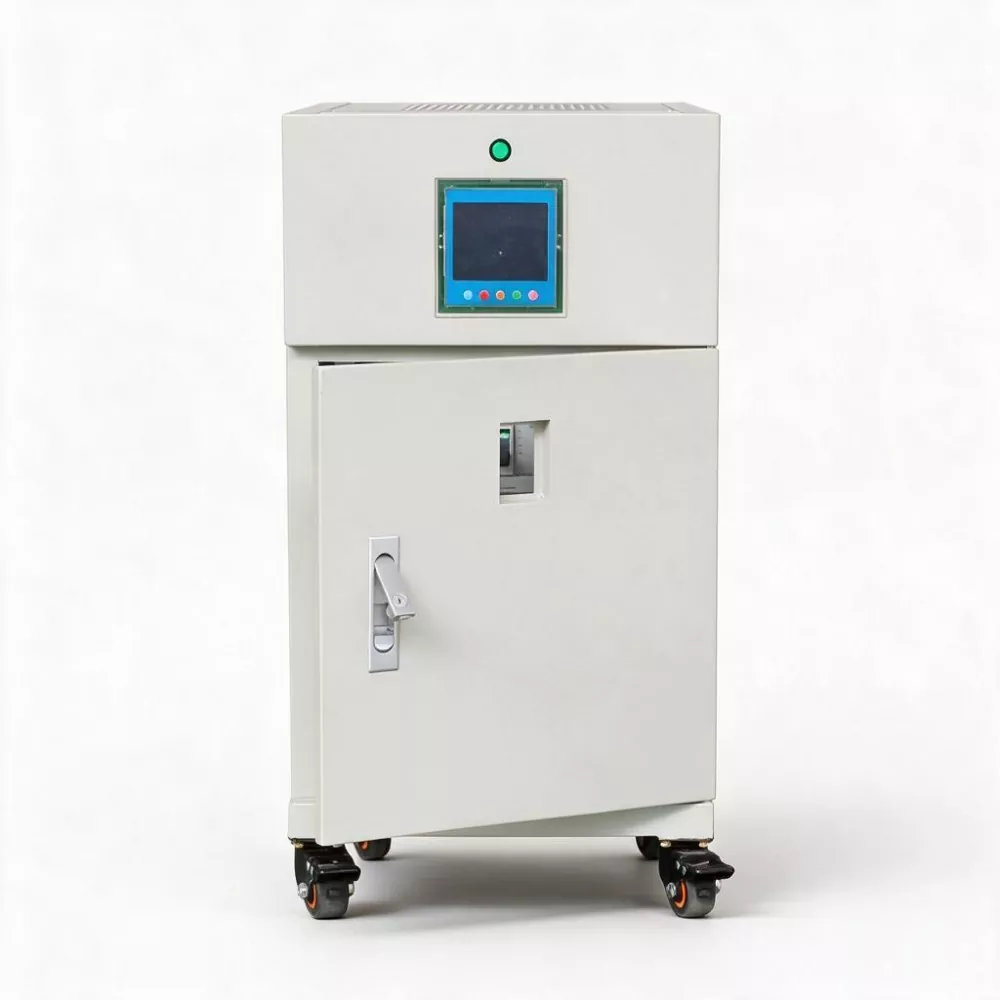
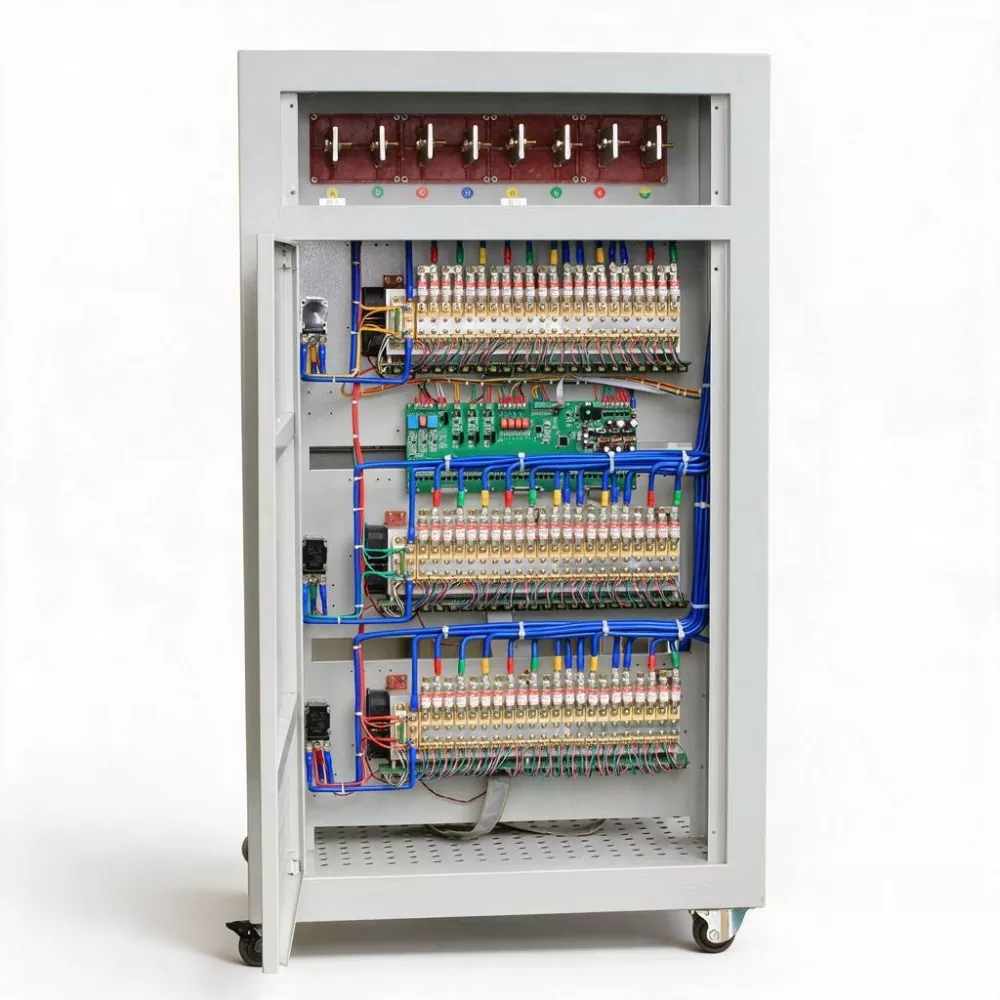
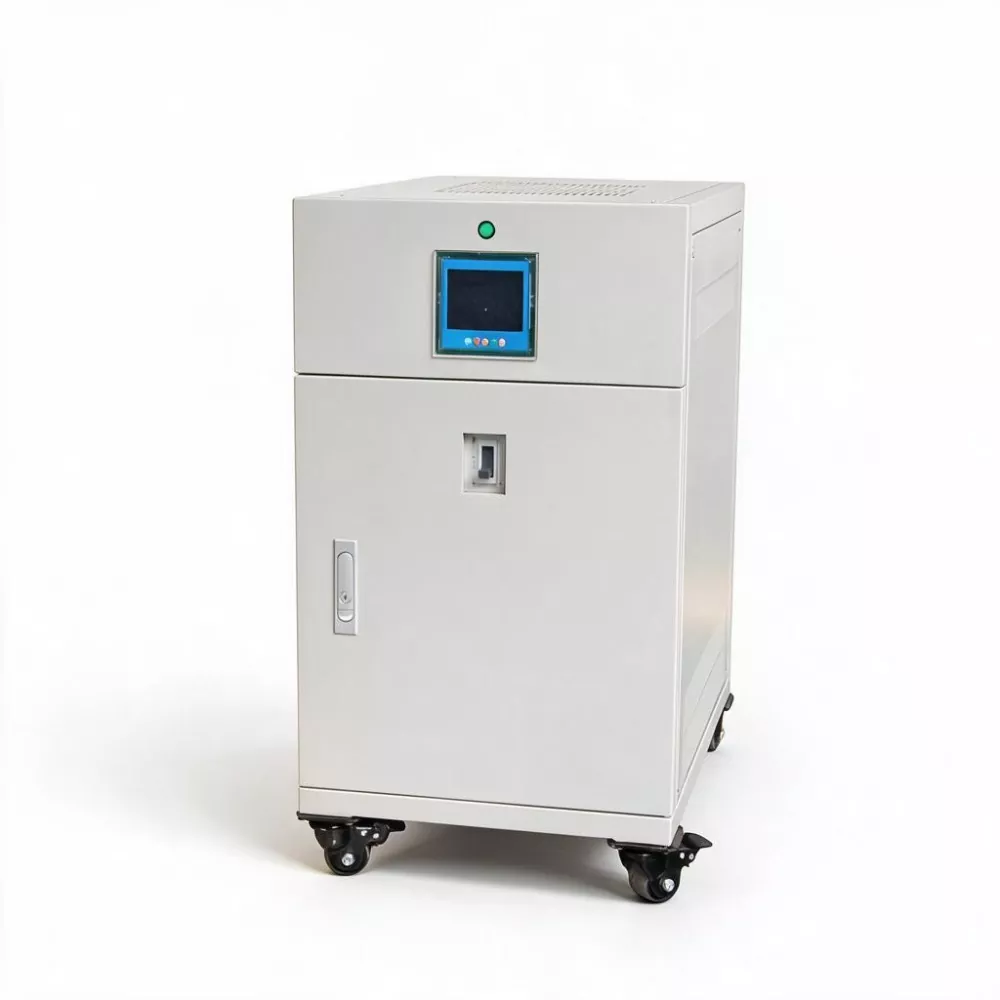
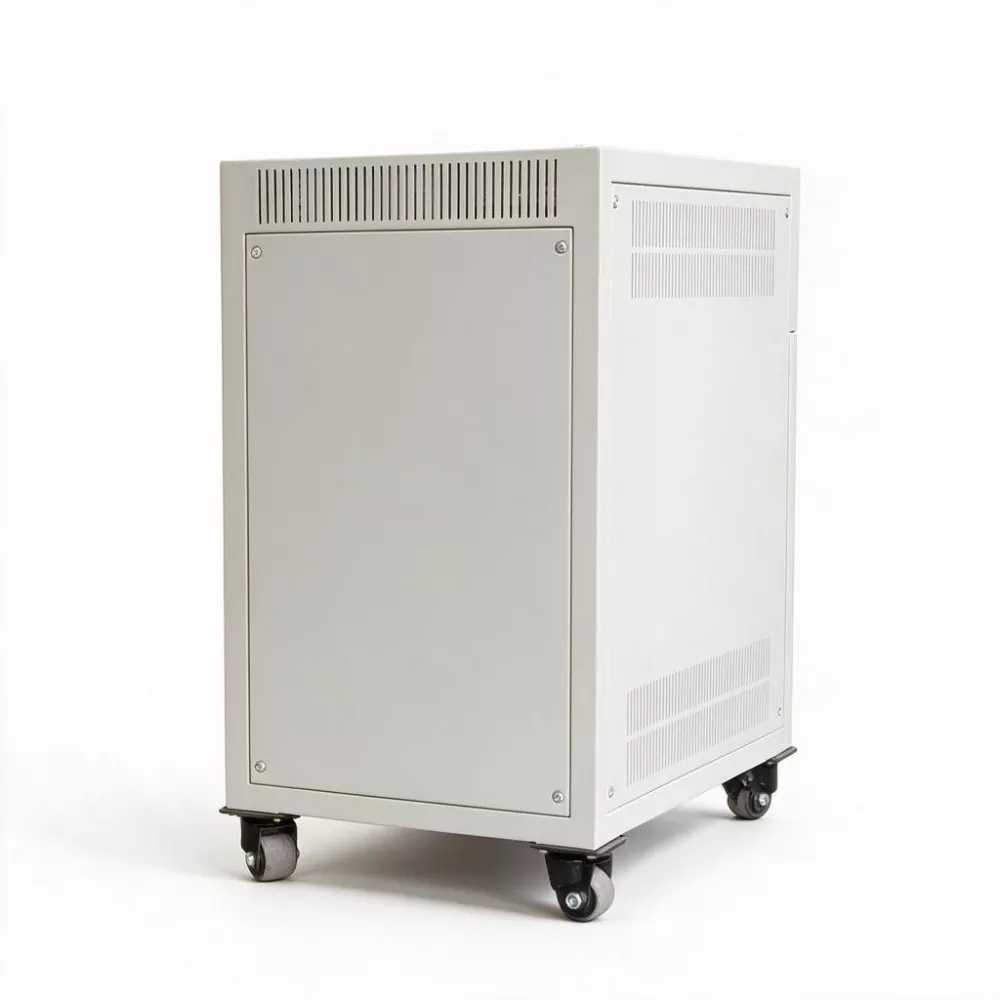
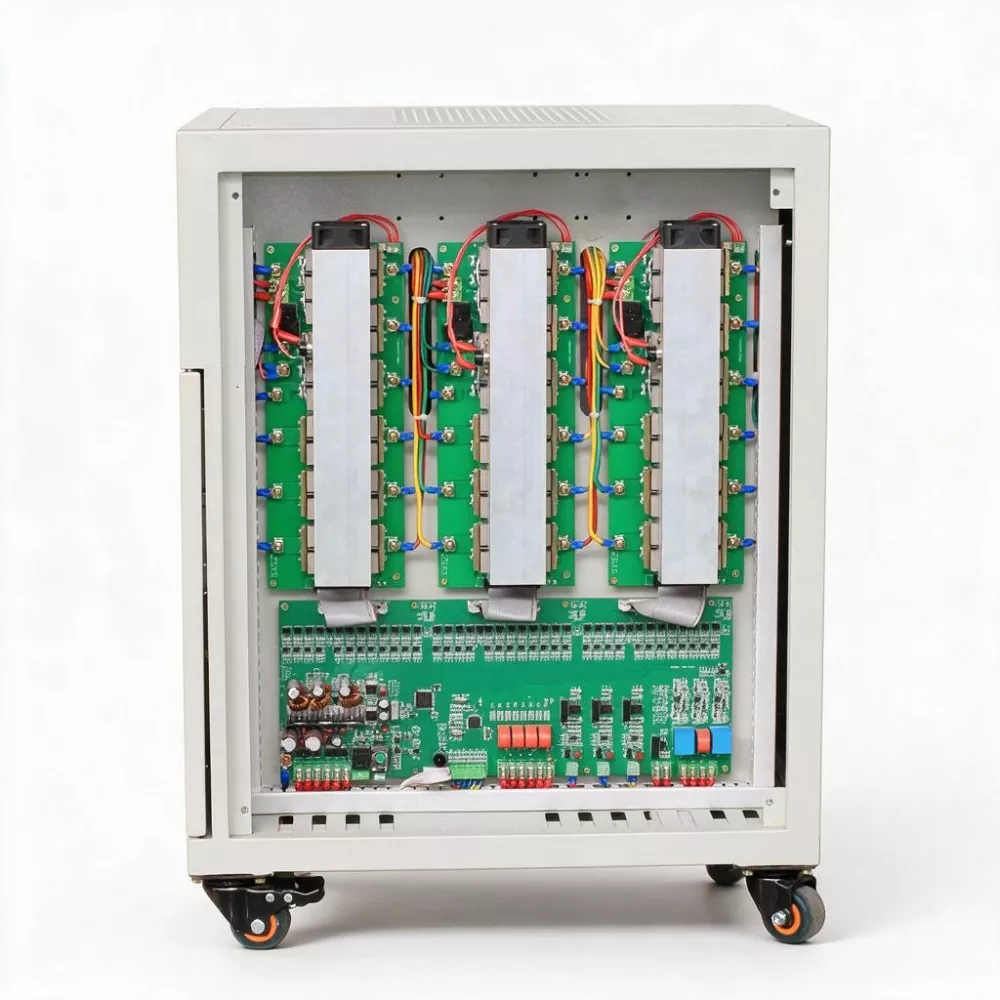
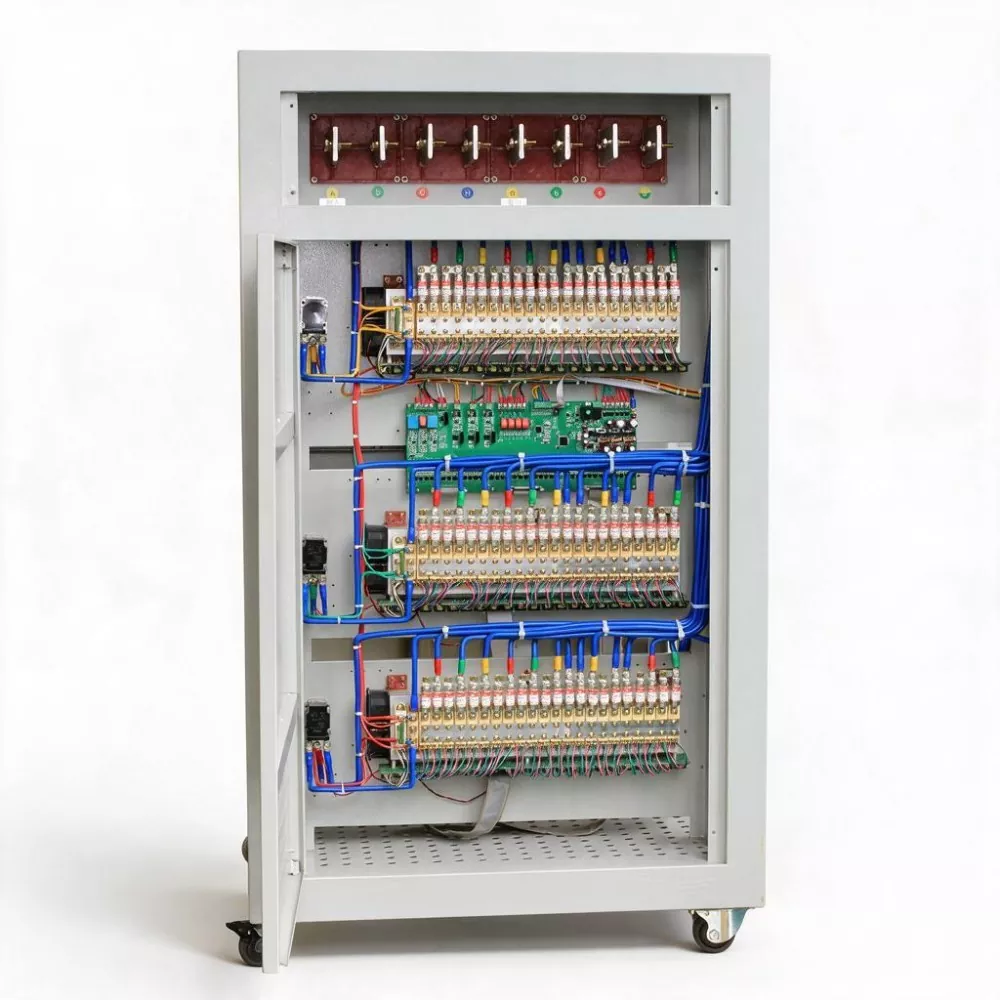
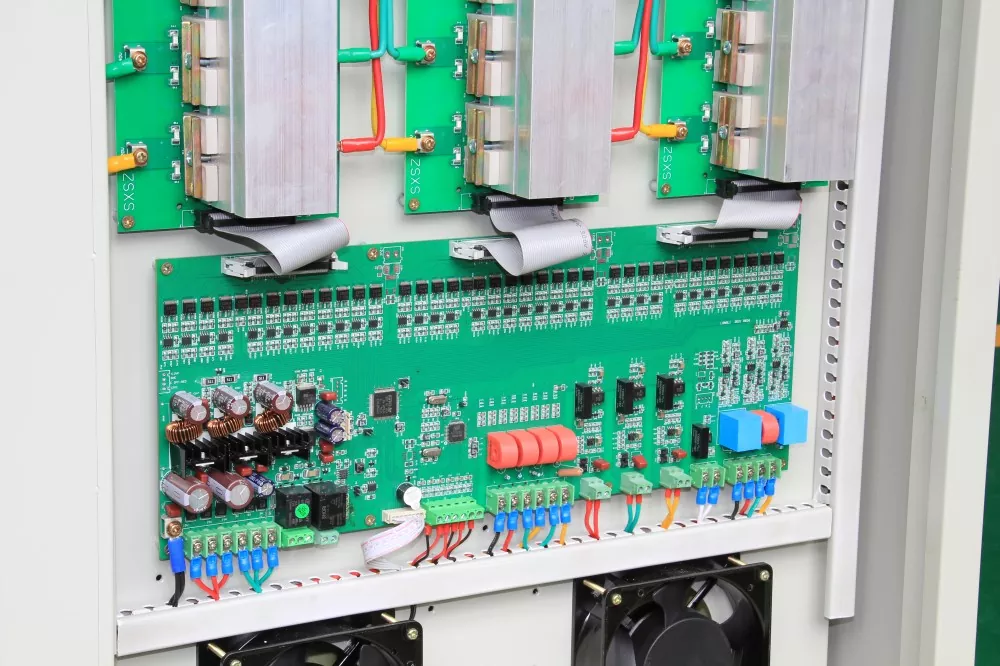
The 3 Phase 150KVA SCR Static AVR uses DSP digital control core and SCR contactless rapid compensation technology. It can complete regulation within 10ms to 40ms when the grid voltage fluctuates, with a stable voltage regulation accuracy of ±1% and a waveform distortion rate of <0.1%.
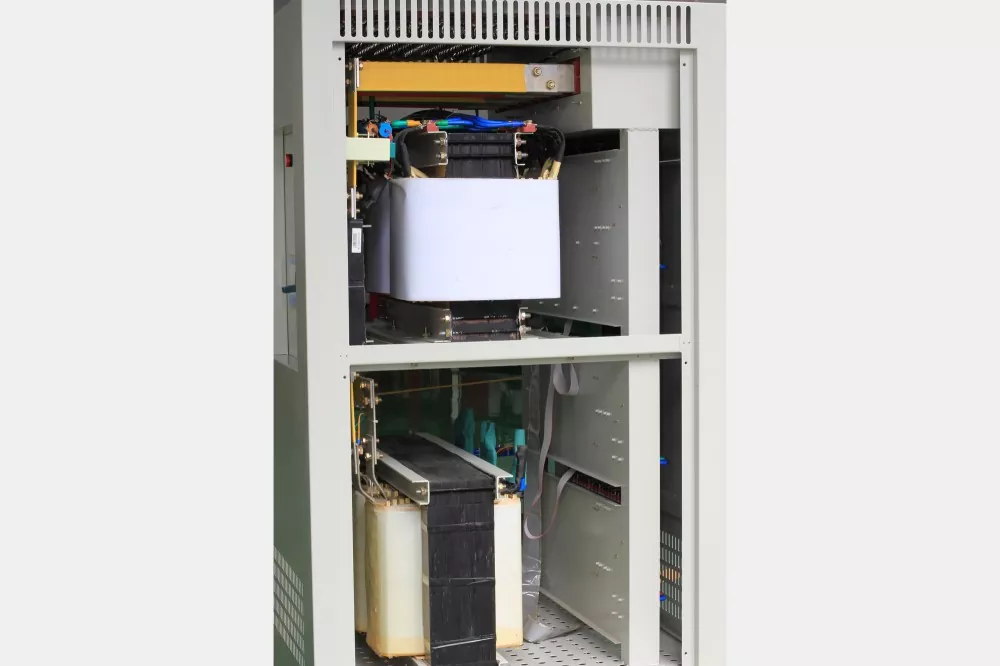
At the same time, this 3 Phase SCR Static AVR adopts an all-contactless design, without carbon brushes, no mechanical moving parts, fundamentally eliminating the potential hazards of traditional servo-type voltage regulators such as lagging regulation and poor carbon brush contact.
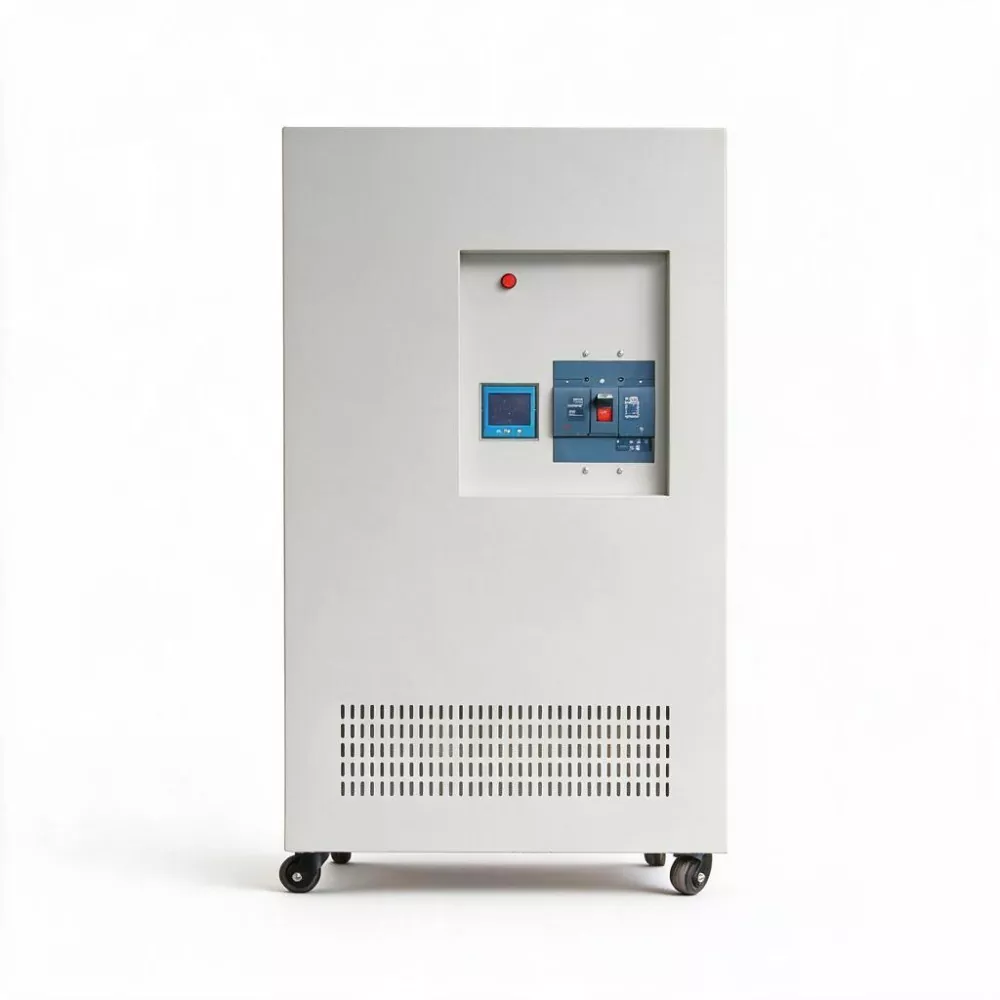
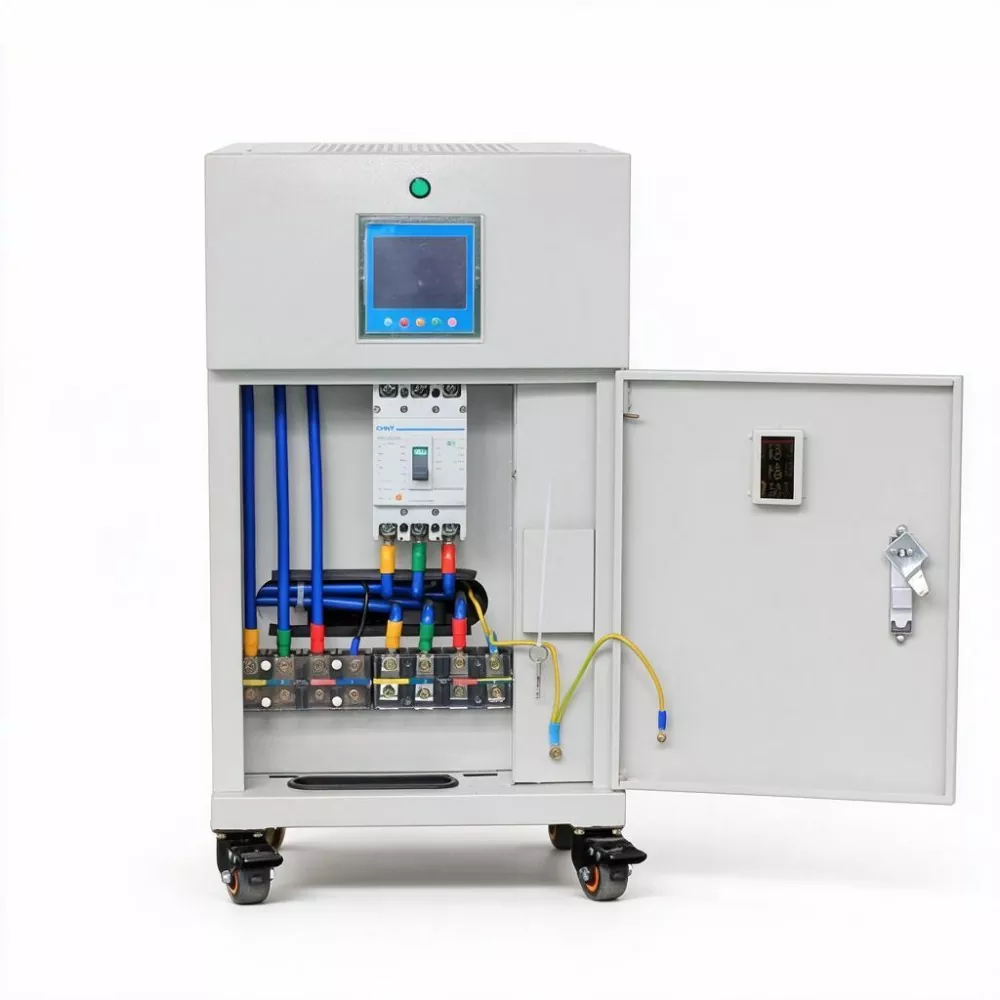
The equipment is equipped with a standard RS485 communication interface, which can be connected to the hospital's building automation system (BAS) or power monitoring system. The logistics personnel can view the equipment operation status, three-phase voltage, current, and load rate in real time from the duty room. The programmable protection function allows the hospital to set the overvoltage and undervoltage protection thresholds according to the equipment requirements, achieving personalized adaptation.
| Model | SBWZ-150KVA |
|
Parameter |
Value |
|
Nominal Power |
150KVA |
|
Technology |
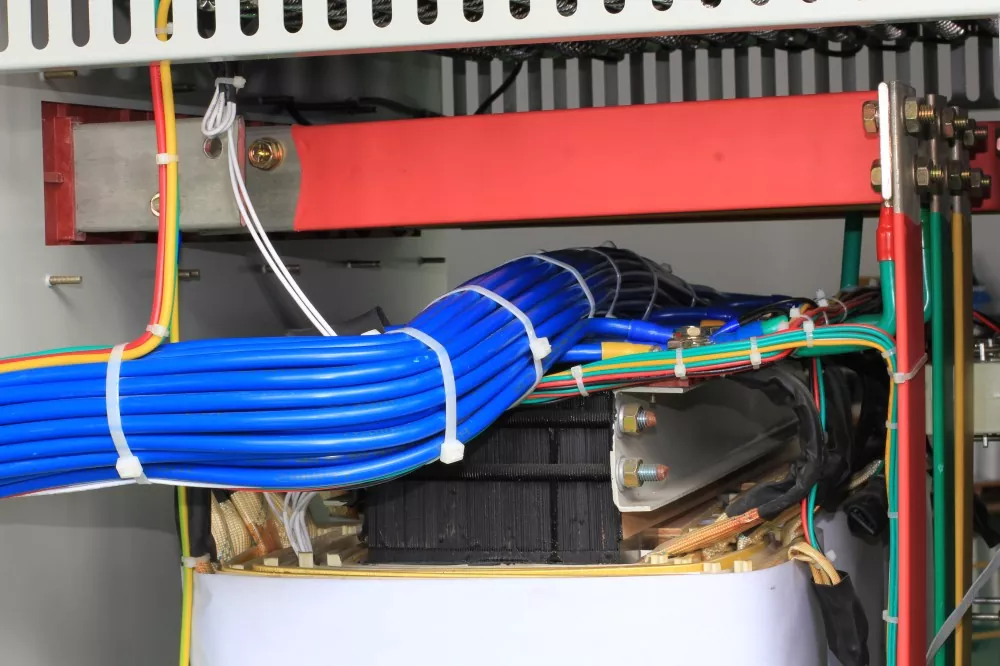
DSP controlled circuit with SCR switch technology and EI power transformer. |
|
Phase |
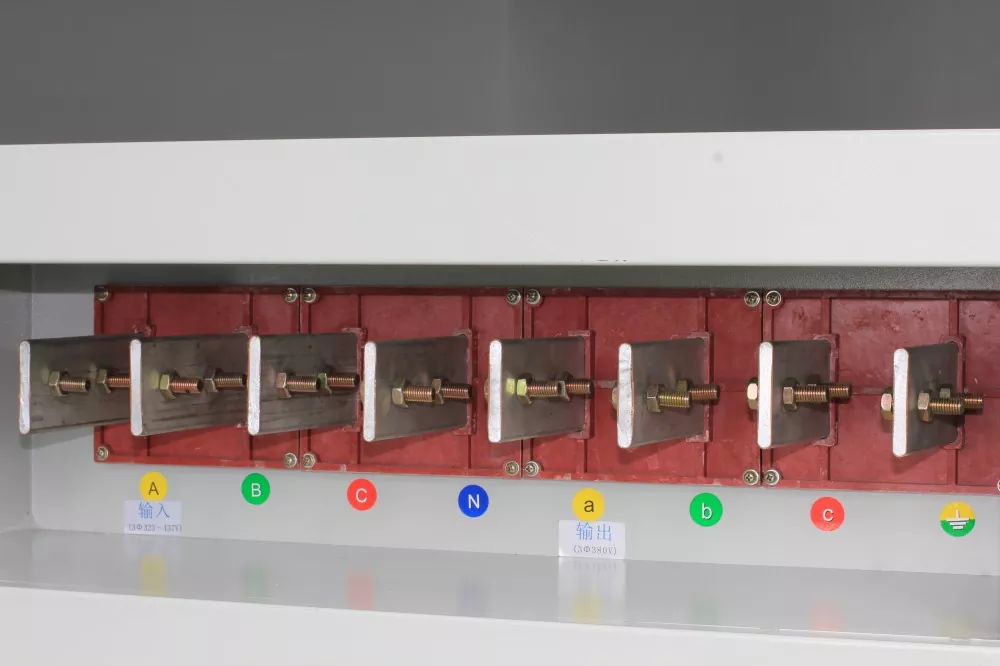
Three Phase (3 phase 5 wires, L1, L2,L3, Neutral, Grounding) |
|
Input Voltage |
3phase 380V/400V/415V±20% ( wider range is available subject to special request and higher cost) |
|
Output Voltage |
3phase 380V /400V/415V |
|
Output Current |
228A |
|
Output Precision |
Phase voltage: ±1% ,Line voltage: ±1.5% |
|
Frequency |
50/60Hz |
|
Efficiency |
≥99% |
|
Isolation Grade |
GradeE |
|
Dielectric Strength |
AC 2500V/1min no flashover, no break down |
|
Response speed |
10ms~40ms |
|
Waveform Distortion |
<0.1% output waveform distortion,No Incremental Harmonic |
|
Temperature rising |
Net Temperature rising: <60℃ |
|
Regulation method |
Seperative regulation of each phase, automatic balance phase output |
|
Display |
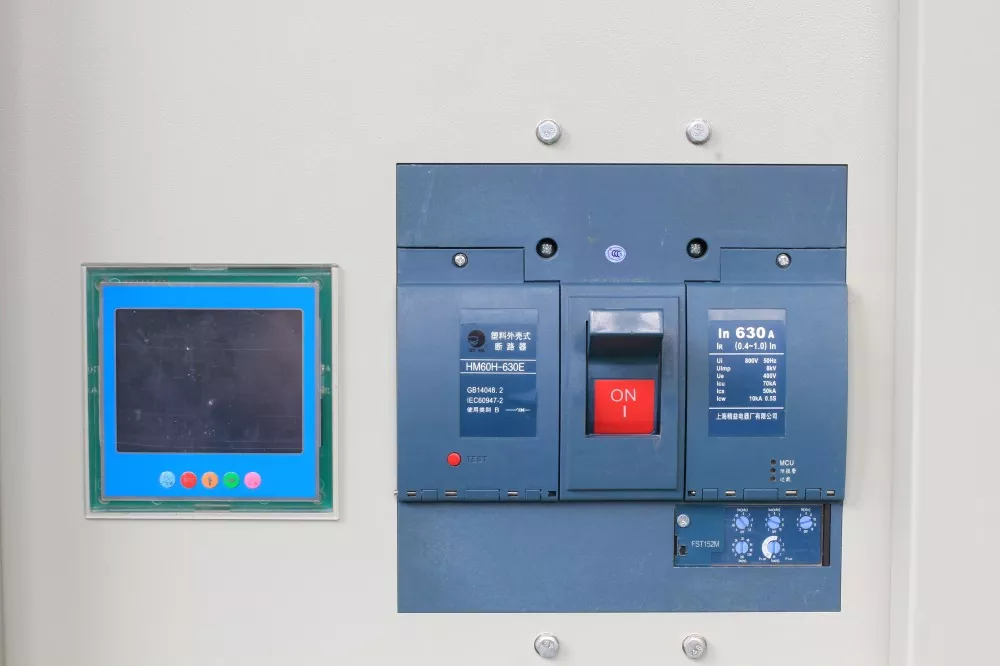
Digital LED display, display real time phase voltage, phase current, power. |
|
Programmable setting |
user programmable setting for over voltage, under voltage, over current, and regulation precision. |
|
Protection |
overload,high voltage, low voltage, short circuit, over heat protection,lack p[hase protection,bypass function |
|
Cooling Method |
Intelligent cooling fan |
|
Operation Temperature |
-5℃~40℃ |
|
Relative Humidity |
<90% |
|
Dimension(mm) |
800*650*1350 |
|
Net Weight(kgs) |
435 |
|
Remarks: |
The above specifications are based on factory standard specifications, customized designs are available subject to confirmation. |
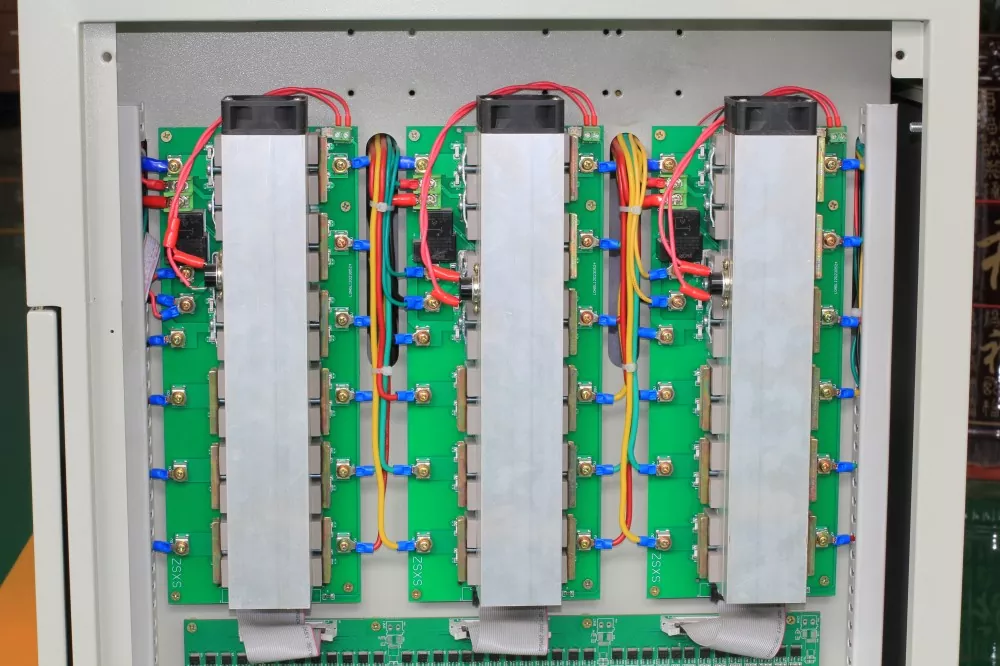
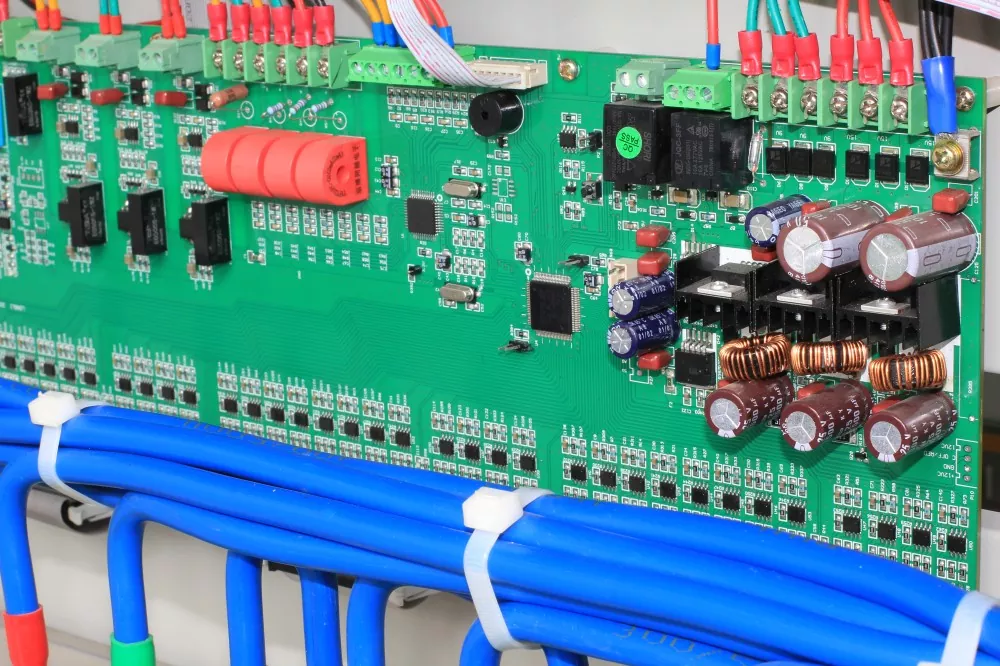
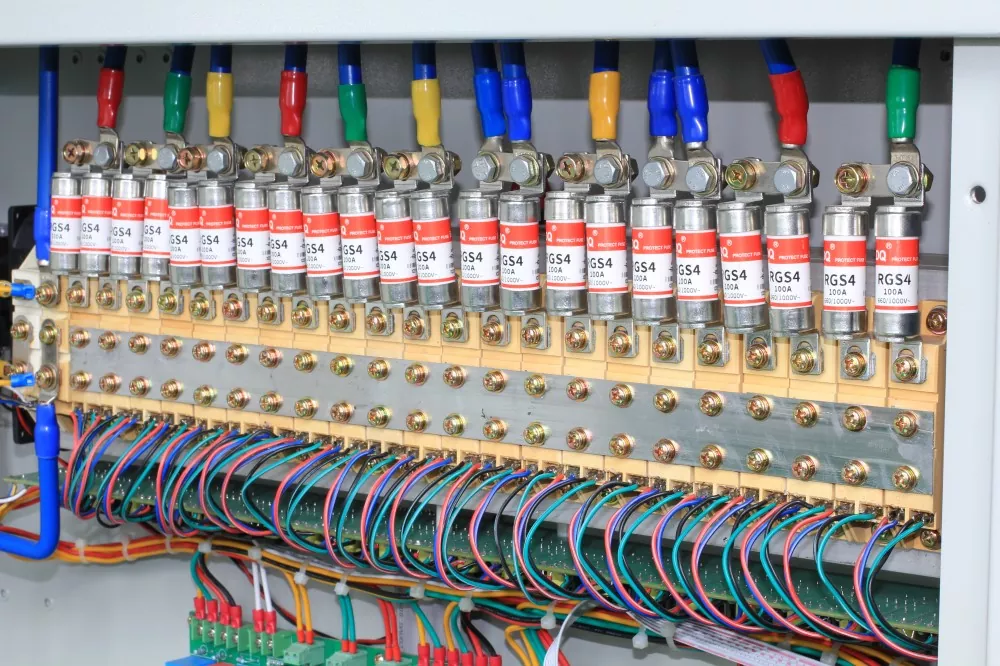
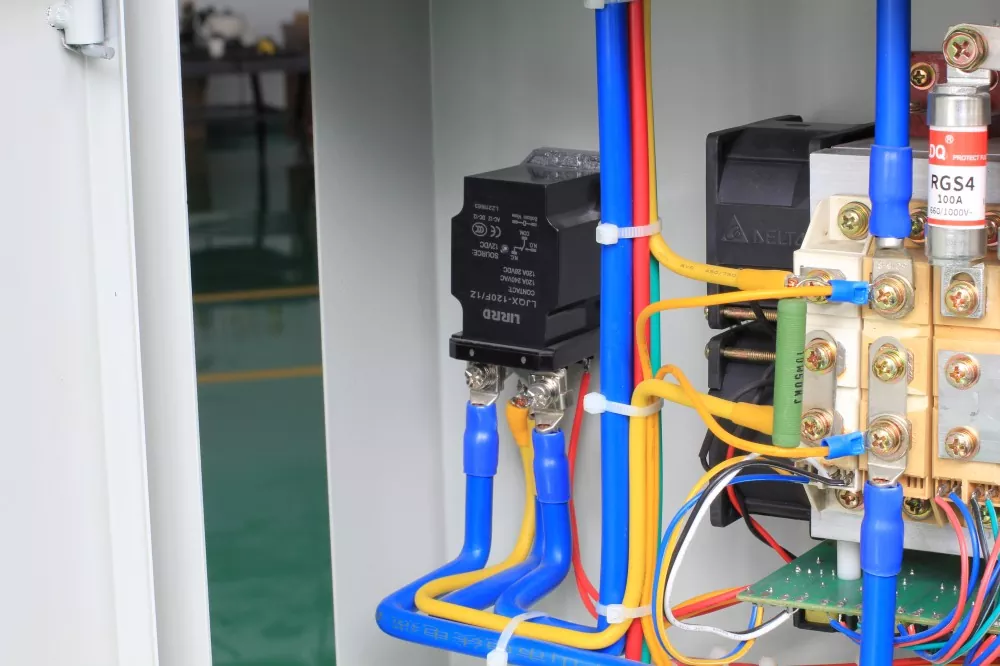
1. Millisecond-level rapid response
The response time is 10ms to 40ms, and the adjustment is completed within half a cycle of the grid fluctuation. For imaging equipment such as MRI and CT, this means that minor voltage fluctuations during scanning do not affect image quality, avoiding repeated scans and unnecessary radiation exposure for patients due to power supply issues.
2.±1% high-precision voltage stabilization
The phase voltage accuracy is±1%, far superior to the typically required±5% for medical equipment. Stable voltage ensures the uniformity of the static magnetic field in MRI, the filament heating current of the CT tube, and the consistency of the high-voltage generator output in DSA, thereby guaranteeing the diagnostic value of each image.
3. Fully contactless design
No carbon brushes, no servo motors, no mechanical wear. For hospital equipment that operates around the clock, this means there is no need to schedule maintenance windows, and the equipment will not stop running due to faults in the voltage stabilizer itself. Reliability has been improved from "high probability of reliability" to "almost absolute reliability".
4. Ultra-low output distortion
The output waveform distortion rate is less than 0.1%, without generating incremental harmonics. This is crucial for medical imaging equipment that is highly sensitive to electromagnetic environments (especially the RF receiving coil of MRI), avoiding image artifacts caused by harmonic interference.
5. Efficiency≥99%
High efficiency not only means energy saving and cost reduction, but also means that the equipment generates less heat, reducing the additional burden on the hospital's air conditioning cooling system. On the electricity bill of large hospitals, the self-loss of 3 Phase 150KVA SCR Static AVR can be almost negligible.
6. Intelligent monitoring and personalized parameter setting
Users can program and set overvoltage, undervoltage, overcurrent protection thresholds and voltage stabilization accuracy. A digital LED screen displays real-time three-phase voltage, current, and power. The RS485 communication interface supports connection to BAS or power monitoring systems to achieve centralized management.
1. Medical Imaging Center: Provides high-purity and stable power supply for large imaging equipment such as MRI (Magnetic Resonance Imaging), CT (Computed Tomography), DSA (Digital Subtraction Angiography), and DR (Digital X-ray Photography), ensuring imaging quality.
2. Radiotherapy Department: Supplies stable power to the control systems and high-frequency generating devices of radiotherapy equipment such as linear accelerators, gamma knives, and proton treatment systems, ensuring the accuracy of treatment doses.
3. Laboratory and Pathology Department: Provides stable power protection for precision testing equipment such as large biochemical analyzers, flow cytometers, gene sequencers, and electron microscopes, ensuring the accuracy of test results.
4. Operating Room and ICU: Supplies stable power to life support equipment such as operating room purification air conditioning, anesthesia machines, monitors, and ventilators, ensuring patient safety.
5. Hospital Main Distribution Room: Can serve as a dedicated incoming line stabilizer for the imaging building or medical technology building, providing centralized voltage regulation for all medical equipment in the entire building.
KTAC provides OEM/ODM services, including appearance color, packaging method, input/output voltage range, and special function modules (such as EMI filter devices, lightning protection devices, RS232/RS485 monitoring interfaces), etc. Please contact us for customized solutions.
The core component of MRI - the superconducting magnet - requires extremely stable excitation current, the gradient coils need precise voltage to generate a linear gradient field, and the radiofrequency system requires a power supply with extremely low harmonics to stimulate and receive signals. Any voltage fluctuations and harmonic interference will directly affect the image quality (resulting in artifacts or a decrease in signal-to-noise ratio), and in severe cases, even cause the magnet to overheat. The±1% accuracy and <0.1% distortion rate of SBWZ-150KVA can fully meet these requirements.
Yes. The core function of UPS is to handle power outages. Although its output is stable, the input side of the UPS is also sensitive to voltage fluctuations - frequent voltage fluctuations will accelerate the aging of the internal batteries in the UPS and shorten the replacement cycle (from 3-5 years to 1-2 years). Deploying SBWZ-150KVA at the front end of the UPS can extend the overall lifespan of the UPS and batteries, and reduce the long-term operation and maintenance costs of the hospital.
No. SBWZ-150KVA has an inbuilt automatic bypass function. In case of internal equipment failure or overload, it will automatically switch to the direct power supply mode from the grid, ensuring continuous power supply for medical equipment. At the same time, an audible and visual alarm is emitted on the panel to alert the maintenance personnel to handle it promptly. After the maintenance is completed, the equipment can be switched back to the stable voltage mode without stopping operation.
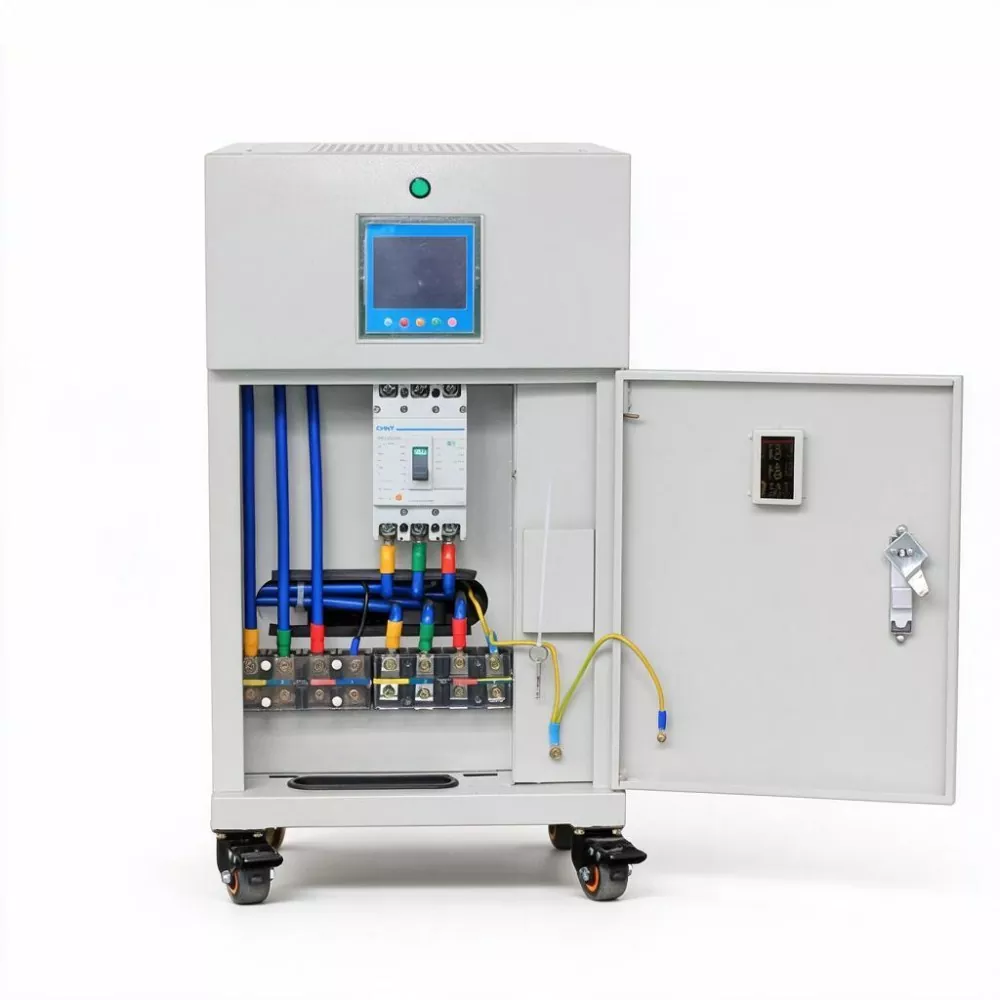
Yes. The 3 Phase 150KVA SCR Static AVR adopts standard three-phase five-wire connection. The incoming and outgoing line methods can be customized according to the on-site requirements (top-in-top-out/ bottom-in-bottom-out/ side-in-side-out). For hospitals with limited power distribution space, our engineers can provide on-site investigation and size adaptation services to ensure the equipment is installed smoothly.
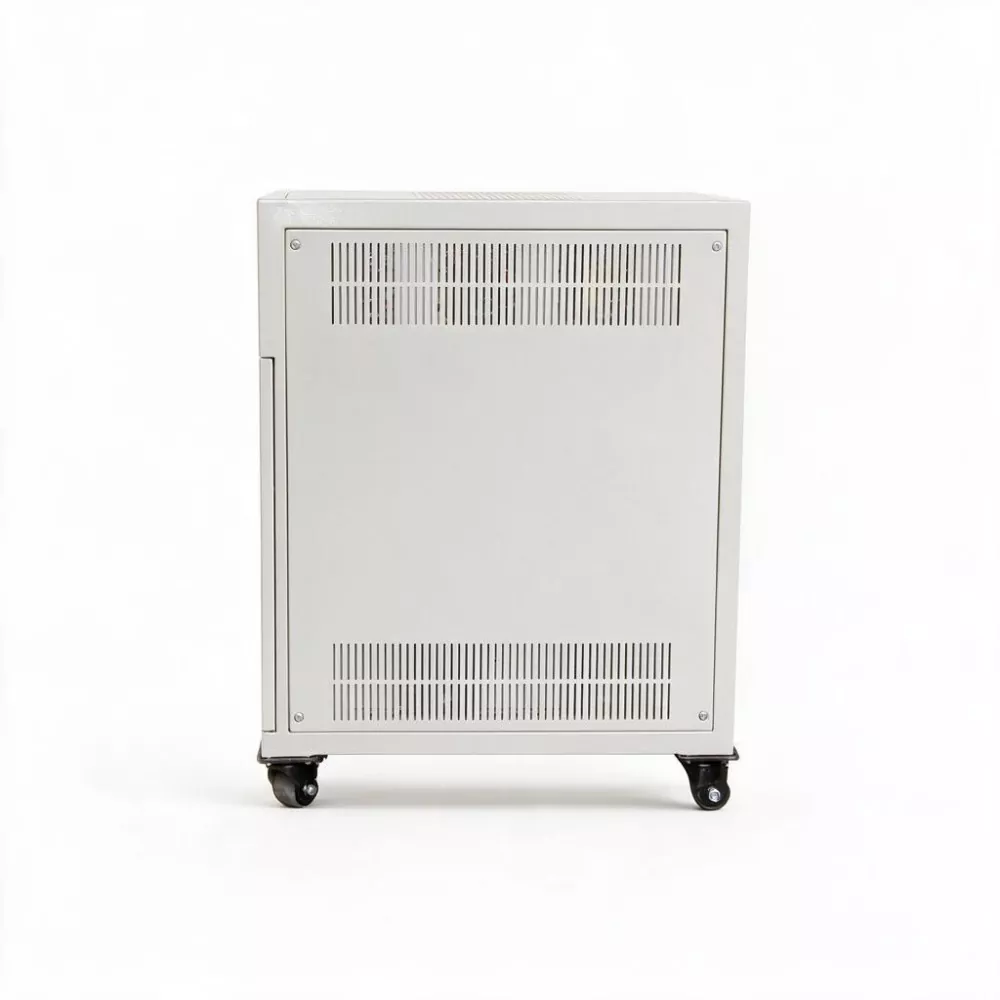
SBWZ-150KVA uses intelligent temperature-controlled fans. When the load is light or the ambient temperature is low, the fans operate at low speed or stop. The noise is extremely low (less than 55dB). Even under full-load conditions, the noise level is much lower than the background noise of the hospital equipment room, and it will not cause interference to the hospital environment.
Address
No. 82, Xiaotang Gongye Avenue, Shishan Town, Nanhai District, Foshan City, Guangdong Province, China
Tel